Surviving Attack Is Step One. Managing Trauma Comes Next.
You stopped the threat. Your defensive firearm worked. You're alive. But the mental aftermath of a violent attack often outlasts the physical danger. Gun owners who've faced lethal force confront lasting trauma that requires real treatment, not platitudes.
The shooting ends in seconds. Recovery takes months or years. Nightmares, hypervigilance, intrusive thoughts, and anxiety spikes are normal after defending yourself. These aren't signs of weakness. They're your brain processing survival.
Why It Matters for Gun Owners
Carrying a firearm for self-defense assumes you'll use it if necessary. Few gun owners mentally prepare for what happens after the trigger breaks. The legal battle arrives first. Criminal charges, civil suits, insurance claims demand immediate attention. But psychological injury runs deeper and lasts longer.
A defensive shooting changes you. You've killed or wounded another human. That weight doesn't lift because you were justified. Even righteous self-defense creates psychological scars. Your nervous system remains activated. Sudden noises trigger responses. Crowds feel threatening. Sleep disappears.
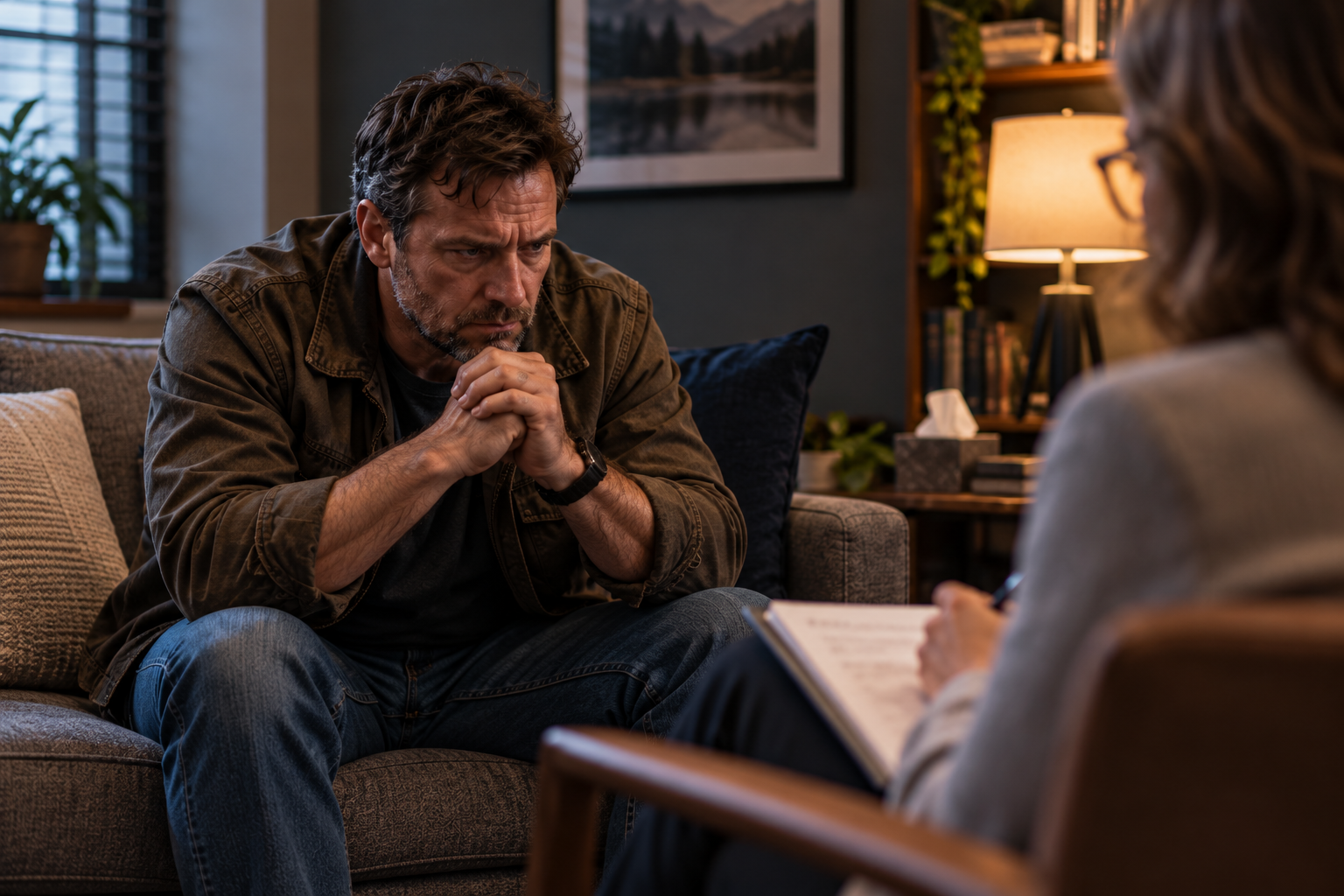
Standard talk therapy sometimes fails shooting survivors. Therapists unfamiliar with defensive gun use may push anti-gun narratives. They might frame your firearm as the problem rather than your response to genuine threat. You need professionals who understand armed self-defense isn't pathological—it's rational action under extreme stress.
Untreated trauma degrades your ability to carry safely. Hypervigilance morphs into paranoia. Anxiety clouds decision-making. PTSD symptoms can cause you to perceive threats where none exist. That's dangerous for you and bystanders. Getting help protects your license, your family, and your freedom.
Background
Defensive gun use estimates range from 60,000 to 2.5 million incidents annually in America. Most involve shots never fired—presence of the weapon de-escalates situations. But thousands of defensive shootings occur yearly. Most shooters receive zero trauma counseling. They're left alone with their experience.
Combat veterans understand this territory. Military and law enforcement personnel receive debriefing and counseling after shootings. They have peer support networks. Most armed citizens don't. You're expected to return to normal life and pretend nothing happened.
Professional organizations like the International Association of Tactical Trainers and various shooting schools increasingly recognize this gap. Quality defensive training now includes post-incident psychological preparation. Instructors recommend identifying trauma-informed therapists before you need one—the same way you identify your attorney.
Cognitive processing therapy and trauma-focused cognitive behavioral therapy show strong results for PTSD. Eye Movement Desensitization and Reprocessing (EMDR) helps rewire traumatic memories. These treatments work. But they require trained practitioners who won't pathologize your self-defense decision.
DownRange Bottom Line
Defensive firearm training must include mental preparation for post-incident trauma. You wouldn't carry without knowing how to shoot. Don't navigate trauma without professional guidance. Find a trauma-informed therapist now, before crisis strikes. Ask your defensive instructor for referrals. Contact your state psychological association for practitioners experienced with defensive shootings.
Surviving the attack is victory. Processing what comes after is the next fight. Get proper help. Your mental health matters as much as your ballistics.