
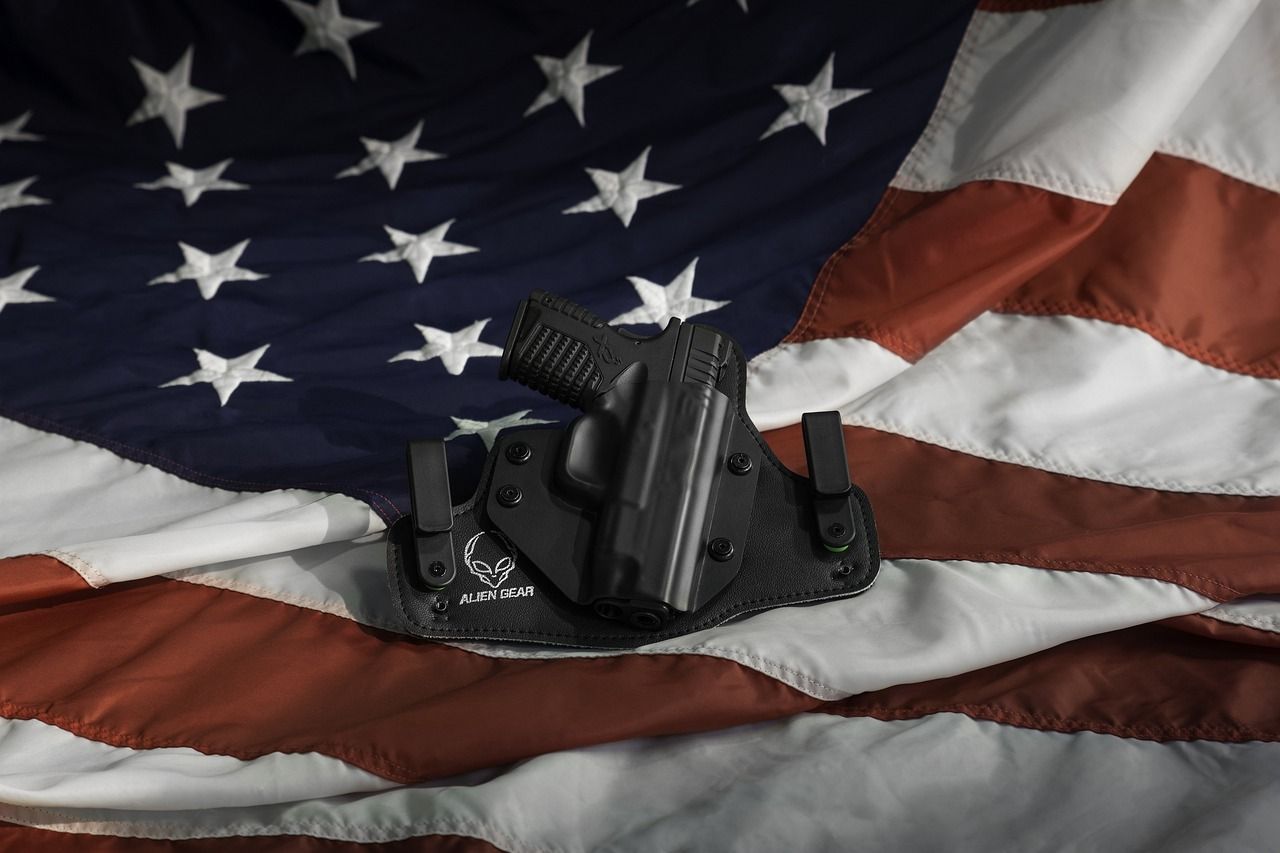

Thirty-five states recognize your Washington concealed carry permit. Thirty-four don't. That's the reality facing anyone who carries across state lines in 2026. The reciprocity patchwork isn't getting simpler — it's getting worse.
I've driven from Spokane to Boise with a loaded Glock 19 in my waistband. I've flown to conferences in Texas, Arizona, and Utah with my permit in my wallet. Every trip requires the same homework: checking current reciprocity status, understanding what "permitless carry" actually means in each state, and knowing exactly which states will treat my Washington license like it's a fake diploma from an online university.
This guide covers what actually matters if you carry across state lines. Not theory. Not what the Constitution says should happen. What you actually need to do to stay legal.
Why Reciprocity is Worse Than It Looks
You probably think reciprocity is simple: if State A recognizes my permit, I can carry there. Done.
That's not how it works. Reciprocity is one-directional. Washington recognizes permits from 42 states. That's not the same as those 42 states recognizing Washington permits.
Florida's the best example. Florida has issued over 2.8 million active concealed carry permits — more than any state. Florida also recognizes permits from almost every state because Florida-permit-holders travel to those states and want reciprocity. But Florida's reciprocity doesn't mean Florida respects your Washington permit. Florida's government has its own agreement with Washington.
Same problem with Texas, Arizona, and Utah. These states are gun-friendly. They issue a lot of permits. But "gun-friendly" doesn't automatically mean they honor your permit. You have to check the specific bilateral agreement.
As of May 2026, the reciprocity landscape has actually contracted compared to 2020. Four states have enacted constitutional carry laws since 2023, which sounds good until you realize constitutional carry doesn't mean they recognize out-of-state permits. It means their residents don't need permits. That's different.
States That Actually Honor Your Washington Permit
Washington's permit is recognized in these states for the purposes of this guide: Alaska, Arizona, Arkansas, Colorado, Delaware, Florida, Georgia, Idaho, Indiana, Iowa, Kansas, Kentucky, Louisiana, Maine, Michigan, Mississippi, Missouri, Montana, Nebraska, Nevada, New Hampshire, New Mexico, North Carolina, North Dakota, Ohio, Oklahoma, Pennsylvania, South Carolina, South Dakota, Tennessee, Texas, Utah, Vermont, Virginia, West Virginia, Wisconsin, and Wyoming.
That list is current through May 2026. Print it. Screenshot it. Don't trust your memory at a border crossing.
The critical ones for West Coast travel: Arizona, Idaho, Nevada, Oregon, and Utah all recognize Washington permits. California, Oregon (wait — Oregon does recognize Washington now), and Hawaii do not. California absolutely does not. If you're caught carrying in California without a California permit, you're facing felony charges. Not misdemeanor. Felony.
The big catches:
- Some states recognize Washington permits for residents only. Nevada does this — Nevada recognizes Washington permits if you're a Washington resident, period. If you're a California resident carrying a Washington permit, it doesn't count.
- Some states have reciprocity agreements that expire. The Texas-Washington reciprocity agreement was updated in 2024. Check the date on any agreement you're relying on.
- Some states recognize Washington permits but not all weapon types. This is rare, but it matters. Know what gun you're carrying and whether that state has restrictions on caliber, magazine capacity, or action type.
The States You Need to Know About
California: Don't carry. At all. California does not recognize any out-of-state permits except for active law enforcement. If you're from Washington and carry into California, you're committing a felony. The minimum penalty is summary probation. The realistic penalty is a felony conviction and permanent loss of your Second Amendment rights in California. It's not worth it. Period.
Oregon: Oregon enacted constitutional carry in January 2024, but Oregon recognizes Washington concealed carry permits. You can carry in Oregon. This is good.
Nevada: Nevada recognizes Washington permits, but only if you're a Washington resident. Before you carry in Nevada, you need to be prepared to prove residency.
Idaho: Idaho recognizes Washington permits. Idaho's reciprocity is straightforward and reliable.
Utah: Utah is the reciprocity king. Utah recognizes permits from every state because Utah wants to sell permits to people nationwide. Your Washington permit works in Utah without question.
Arizona: Arizona recognizes Washington permits and has constitutional carry for residents. Your Washington permit is valid. Arizona's gun laws are genuinely permissive.
Colorado: Colorado recognizes Washington permits. This matters if you drive I-25 through Denver.
What to Carry When You Cross State Lines
Print your permit. Not a PDF on your phone. The actual physical permit. Some states require you to present it on demand. A phone screenshot won't work if a cop argues you're showing him a photo, not an ID.
Get a reciprocity guide app. I use the CCW Safe reciprocity app (free, updated regularly). It's not perfect, but it's better than relying on memory or sketchy websites. USLawShield has a good reciprocity map too.
Keep a CCW insurance card. Constitutional Carry, United States Concealed Carry Association, and CCW Safe all offer legal defense memberships. If you're stopped and questioned, having that card can de-escalate the situation. If you end up in court, it covers your legal fees. The $200-400 annual cost is cheap compared to a criminal defense attorney's retainer.
Know your gun's compliance. Some states have magazine capacity limits. Colorado has a 15-round limit on standard magazines. California (again, don't go there) has a 10-round limit. New York has a 10-round limit. If your carry gun has a 17-round magazine, that magazine is illegal to carry in Colorado. You can't "just not load it fully." You can't carry it. Don't carry pre-loaded magazines that exceed state limits.
The Permit You Actually Need
Serious multistate carriers often get a Utah permit in addition to their home-state permit. Utah recognizes permits from every state, and Utah's reciprocity agreement is the most reliable in the country because Utah aggressively maintains those agreements. A Utah permit costs about $65 for a nonresident 5-year license. You can apply online through the Utah Department of Public Safety. Processing takes 2-4 weeks.
I'm not saying get a Utah permit instead of a Washington permit. I'm saying get both. Your Washington permit is primary. Your Utah permit is backup — it covers states that might not recognize Washington, and it covers gray areas where reciprocity status is unclear.
Florida permits are another option. Florida recognizes almost every state's permits and has reciprocity with 42 states. A Florida nonresident permit is $125 and takes 4-6 weeks. It's worth having if you travel to the Southeast regularly.
Your home state permit still matters most. That's your legal documentation that you've passed a background check. Out-of-state permits are insurance policies against reciprocity gaps.
DownRange Bottom Line: The reciprocity patchwork is real, it's complicated, and it doesn't get simpler by pretending it's not complicated. If you carry across state lines, you need three things: your home permit in your wallet, a reliable reciprocity guide on your phone, and honest awareness of which states are hard stops (California, especially). Get a Utah permit as backup if you travel frequently. Carry CCW insurance. Print your permit. Know the specific restrictions in the states you're driving through. The Constitution might say your rights shouldn't depend on what state line you cross, but until the courts mandate national reciproc