
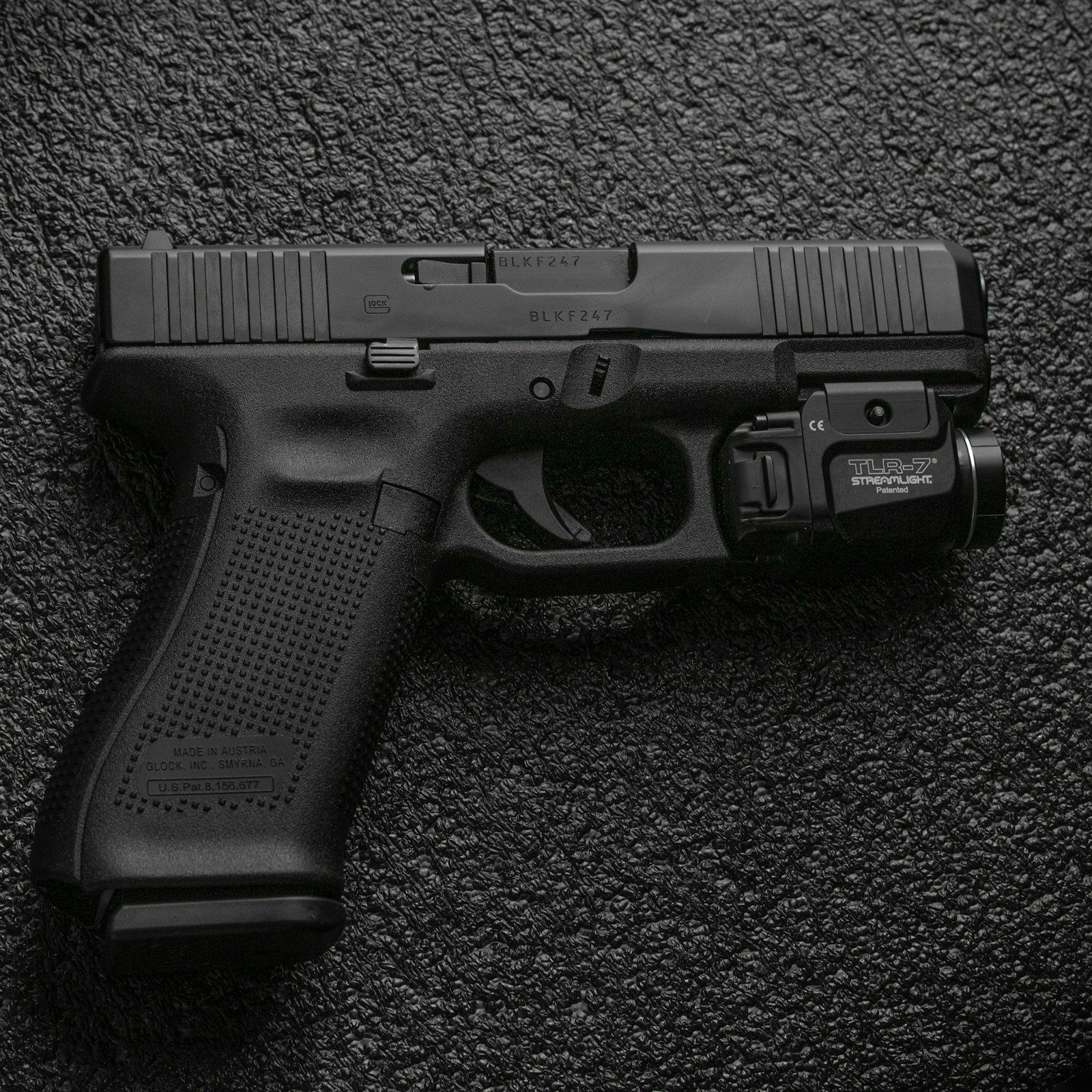

The Problem With How Most People Are Doing This
Walk through any defensive pistol training course today and you will see a consistent pattern: attendees with $700 pistols wearing $350 red dot optics who cannot find the dot from the holster. They present the gun, the dot is not in their field of view, they tilt the muzzle down to find it, and they lose two full seconds on what should be a faster-than-irons draw-to-first-shot sequence. A red dot is making them slower because nobody taught them the correct way to run it.
I have been running pistol red dots in competition and defensive contexts for seven years. I have watched the technology mature from early EoTech pistol optics that fogged in humidity to the current generation of Holosun, Trijicon, and Sig Romeo products that are genuinely carry-reliable. And I have watched the adoption curve outpace the training curriculum by a significant margin. This guide exists to close that gap.
Selecting the Right Optic — Non-Negotiable Requirements
For a carry gun, there is a very short list of optics I will recommend without hesitation. Every other optic has to prove itself to me personally before I will tell someone to carry it. The non-negotiables are: sealed housing (not exposed emitter), documented reliability through 10,000+ rounds, and a battery life that does not require weekly management.
- Holosun EPS Carry: This is my default recommendation for most shooters. Fully enclosed emitter, 50,000+ hour battery life on the lowest setting, solar failsafe. At $299, it eliminates every reliability concern at a price that does not exceed the cost of most carry guns it goes on. The Holosun 507K is the alternative at $249 if budget is a concern.
- Trijicon RMR Type 2: The benchmark for absolute durability. Military-spec, proven in conditions that no carry application will replicate. At $699 it is expensive but it is also the optic that set the standard everything else is measured against. If you want the best regardless of price, this is it.
- Sig Romeo Zero Elite: The best integrated option if you are running a Sig P365 or similar. The Elite version addressed the durability concerns of the original Romeo Zero with an improved housing and emitter. Purpose-built for micro-compact slides.
The Zero — This Is Where Most People Get It Wrong
A 25-yard zero on a carry pistol is a mistake. I want to explain why because it contradicts conventional rifle zeroing logic that many shooters have internalized.
A pistol red dot zero creates a point-of-aim / point-of-impact relationship across a range band. Your bullet follows a trajectory arc; your dot is a flat reference point. At your zero distance, they intersect. Inside your zero, the bullet is below your point of aim. Beyond your zero, it is above. For defensive use — where 80% of shootings occur inside 7 yards and 95% inside 21 yards — you want a zero that keeps you on target across that entire range band without requiring hold adjustment.
A 10-yard zero accomplishes this. At 10 yards, the dot and the bullet meet. At contact distance (3 feet), you are hitting approximately 1.5 inches low — still within a vital zone on any realistic target. At 25 yards, you are hitting approximately 1.8 inches high — still within a vital zone. You can aim at center of mass from 0 to 25 yards with no adjustment. This is the carry zero. Use it.
Building the Draw-to-Dot Presentation
This is the perishable skill that most optic users neglect. Finding the dot consistently on the draw requires building a mechanical presentation that puts the gun in the exact same position every single time. Here is the training protocol I use and teach:
Start with dry fire. From a low-ready position, bring the gun to eye level at a consistent distance from your face — approximately 12 to 14 inches for most shooters. The dot should appear in your window without searching. If you cannot find it from low-ready in under 0.5 seconds of dry fire practice, you are not ready to rely on the optic. Dry fire this transition 50 to 100 times before you ever take it to the range.
At the range, time your draw-to-first-shot with a shot timer. A proficient iron-sight draw-to-first-shot is roughly 1.5 seconds from concealment. With a red dot, your goal is 1.3 seconds or faster — the optic should be making you faster, not slower. If you are slower with the red dot than with irons, you need more dry fire reps on the presentation before continuing live fire training.
Co-Witnessing and Backup Iron Sights
Your iron sights must be usable if the optic fails. This is not theoretical — batteries die, lenses crack, electronics fail. Suppressor-height iron sights (tall enough to see over the body of the optic) give you a clean sight picture through the optic body if the dot is dead. Ameriglo, Trijicon, and Dawson Precision all make excellent suppressor-height carry sights for most platforms. Budget $60 to $120 for this addition. It is not optional if you are carrying the gun defensively.
DownRange Bottom Line: A pistol red dot will make you a more accurate, faster shooter — but only after you have put in the dry fire reps to find the dot consistently and the live fire work to confirm your zero and build the presentation. Most people skip the work and wonder why the optic is not helping them. Do the work. The performance improvement is real and significant.