
What Canadian Shooters Are Actually Paying for Ammo Right Now
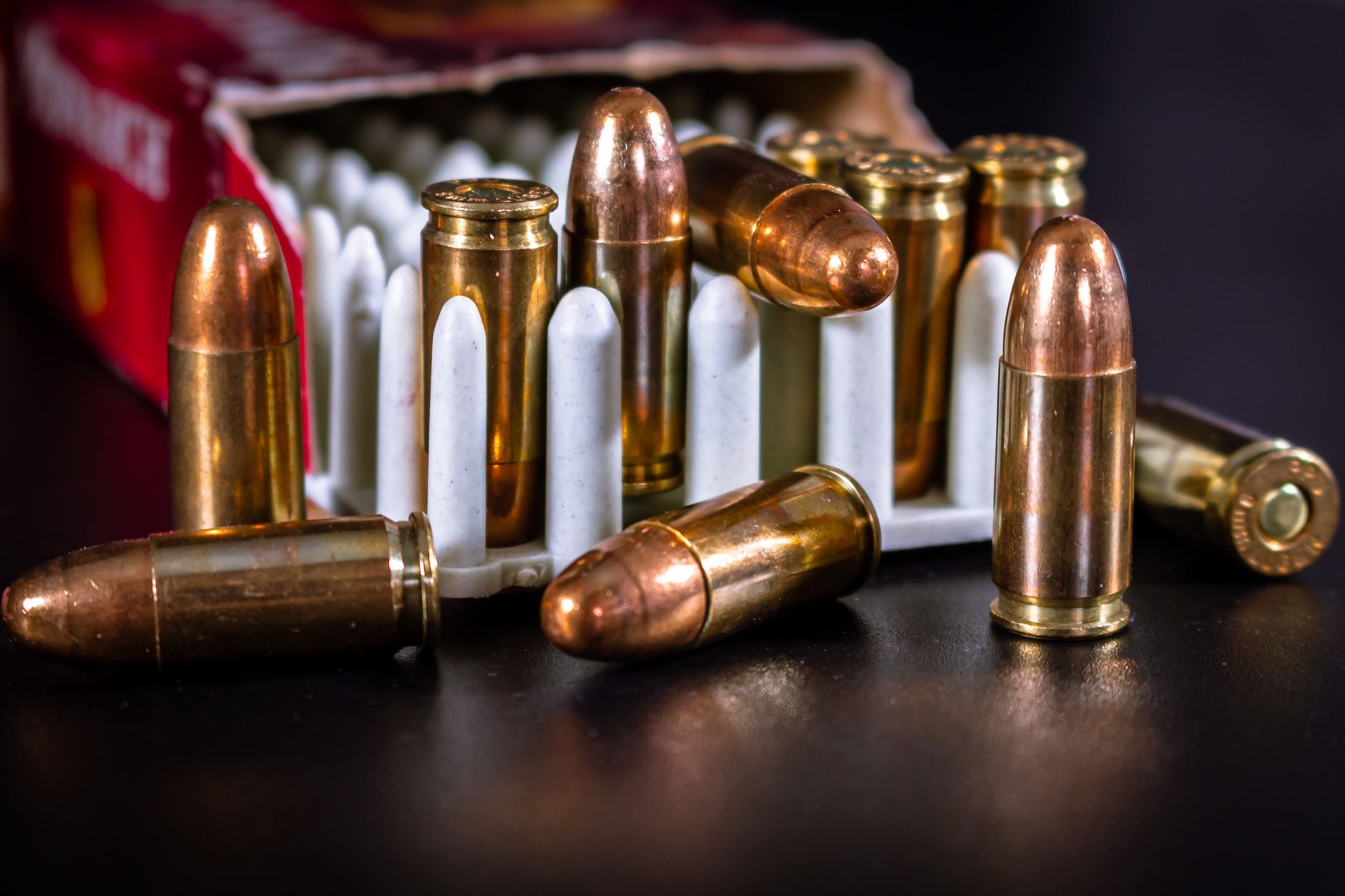
Ammunition costs in Canada have stabilized at levels that would've made us choke five years ago. A box of Winchester 9mm NATO runs $22–$28 CAD at most Canadian retailers. Federal Gold Medal .308 Winchester sits at $32–$38 per box of 20. Remington Express 12-gauge 2¾" buckshot costs $18–$22. Even .22 LR, supposedly the cheap stuff, runs $0.12–$0.18 per round when you can find it in quantity. These aren't crisis prices anymore—they're the new normal, and they're here to stay.
I've been shooting for twenty years and reloading for twelve. The gap between what we pay north of the border and what Americans pay south of it has become impossible to ignore. That same box of Winchester 9mm NATO sells for roughly USD$12–$14 stateside. The math is brutal: we're paying nearly double for identical ammunition, and there are specific reasons why.
Why Canadian Ammunition Costs More Than It Should
First, volume. Canada has roughly 40 million people. The United States has 330 million. American ammunition manufacturers optimize for scale—their domestic market alone is eight times our population. They can spread tooling costs, shipping costs, and supply chain inefficiencies across vastly larger order quantities. We can't. Most ammunition sold in Canada is either imported or manufactured by the handful of Canadian producers operating at smaller volumes.
Second, regulatory compliance. Every round that comes into Canada faces RCMP and CBSA inspection. Import documentation requires serialization, batch tracking, and compliance with Transportation of Dangerous Goods (TDG) regulations. A single shipment of 50,000 rounds needs more paperwork than most small businesses handle in a month. Those compliance costs get passed to retailers, who pass them to us.
Third, tariffs and duties. American ammunition manufacturers don't pay the same import taxes Canadian retailers do. Ammunition classified as dangerous goods carries additional freight premiums. Some ammunition gets reclassified based on bullet construction or ballistic performance, triggering different duty rates. A shipment of armor-piercing rounds—which we can legally own for sport shooting—faces different import treatment than standard ball ammunition.
Fourth, the Canadian ammunition manufacturing base is small. Federal Ammunition operates a plant in Anoka, Minnesota and sells into Canada. Remington closed their Canadian facility years ago. Winchester ammunition comes mostly from foreign factories. We don't have domestic production capacity comparable to the Americans, which means we depend entirely on imports. That dependency is expensive.
Finally, retail margins in Canada are tighter on low-value items like ammunition. A gun shop in rural Alberta can't rely on ammunition volume the way Cabela's can in South Dakota. Smaller order quantities mean higher per-unit costs from wholesalers, which means higher retail prices.
Where Canadians Actually Buy Ammunition—And What They're Paying
I buy from three retailers consistently, and I know the current pricing cold because I check weekly.
Wolverine Supplies (Ontariogun.com) keeps competitive pricing on common calibers. Their 9mm NATO ranges $24–$26 per box depending on brand and whether they're running a deal. I've bought Federal American Eagle from them at $25 per 50-round box, which is solid. They stock .308 Winchester at $34–$36, and their 12-gauge selection is reliable—Sellier & Bellot runs around $19 per box of 25. Shipping is reasonable on bulk orders (100+ rounds), and their website actually works, which shouldn't be notable but is.
Ellwood Epps in Ontario has been selling ammunition since my grandfather was shooting. Their retail location serves walk-in traffic, but their online operation is solid. They typically price 9mm at $23–$27, and their .308 pricing tracks within $1–$2 of Wolverine. They frequently run sales on shotgun ammunition—I grabbed Remington Express 12-gauge at $17.50 per box during a January sale. They ship quickly, and their customer service actually answers the phone.
P.A.L. Gun Shop in British Columbia has become my go-to for specialty loads and reloading components. Their 9mm pricing sits at $25–$28, but they stock boutique ammunition I can't find elsewhere—Fiocchi, Magtech, and Igman rounds that punch above their weight. Their .308 selection is broader than most Canadian shops. They don't always have the lowest prices on commodity ammunition, but you're paying for selection and knowledge.
Smaller regional retailers like local gun ranges often price at or above these levels because they're buying in smaller quantities. National chains like Cabela's and Bass Pro Shops price competitively on certain items but carry limited inventory. For consistent pricing and availability, the three above are your best bet.
Import Rules That Affect Your Ammo Supply
Canada allows ammunition imports for licensed firearms owners. You can legally buy from American retailers and have it shipped to Canada, but only through licensed importers. Direct personal imports are prohibited—ammunition is classified as a dangerous good, and the CBSA takes that seriously.
Licensed ammunition importers can bring in foreign ammunition, but they must document origin, caliber, bullet type, and intended use. Armor-piercing rounds are legal to own and import for sport shooting but not for hunting. Tracer ammunition follows similar rules. If you're buying through a Canadian retailer, they've already handled the import compliance—that's baked into the price.
The takeaway: don't try to circumvent the system. Use licensed retailers. It's cheaper than you think and keeps you legal.
The Reloading Math in 2025
Reloading ammunition is still economical, but the gap has narrowed. A Dillon XL 650 press costs CAD$700–$850. dies run $100–$150 per caliber. Once you're set up, you reload 9mm for approximately $0.08–$0.11 per round (brass, primer, powder, bullet). That's a savings of 50–60% compared to factory ammunition.
For .308 Winchester, reloading costs drop to roughly $0.18–$0.24 per round, cutting factory costs nearly in half. Even .22 LR reloading is possible but pointless—the per-round savings barely cover your time.
The barrier to entry is real. You need space, equipment investment, and knowledge. Powder and primers are expensive upfront. Brass accumulation takes time. But if you shoot 5,000+ rounds per year of centerfire ammunition, reloading breaks even in 18–24 months and saves you thousands afterward.
I reload because I enjoy the craft and because the economics work. For casual shooters, buying from Wolverine or Ellwood Epps makes more sense. For serious competitors or high-volume shooters, reloading is the only rational choice.
Ammunition will stay expensive in Canada. The structural reasons—volume, regulation, distance, tariffs—aren't going anywhere. Plan accordingly and buy through licensed retailers who know Canadian law. That's how you stay stocked and legal.