
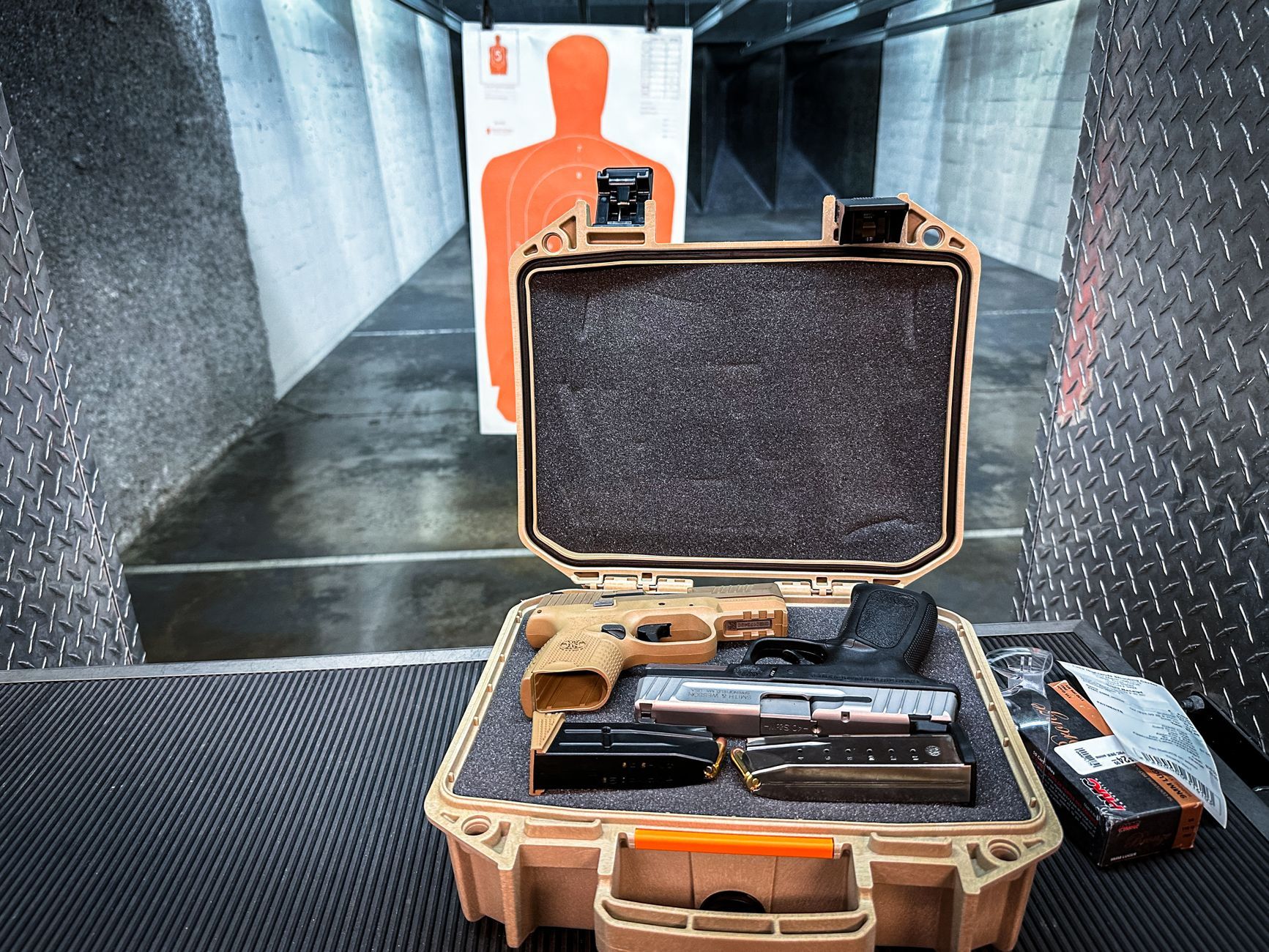
Storage or Bust: What Ottawa Actually Demands in Your Gun Cabinet
You can own a restricted handgun in Canada legally and still catch a firearms charge if that gun sits in your nightstand unlocked. I've watched shooters get prosecuted under section 86 of the Criminal Code for exactly this—legal ownership doesn't mean legal storage. The Firearms Act and its regulations are explicit: how you store matters as much as what you own, and Canadian law treats storage violations as seriously as unsecured explosive devices.
Storage law divides sharply between restricted and non-restricted firearms, and the gap between these two categories creates a genuine practical headache for lawful owners who also want home defense.
Non-Restricted Storage: The Looser Rules
Non-restricted rifles and shotguns—your standard hunting rifle or tactical shotgun—have more flexibility. You can store them unloaded in a locked cabinet, locker, gun rack, case, or safe. The critical word is unloaded. Crown prosecutors won't accept "I keep it accessible but stored separately from ammunition" as a defense. The gun itself must be empty. You can lock it to a fixed object if a cabinet isn't practical, though I've never liked that approach for home security.
Many hunters I know use basic metal gun cabinets rated for non-restricted firearms—something like a Stack-On 8-gun cabinet runs $200–$350 at Canadian Tire or specialty shops. For a single rifle, even a lockable hard case works legally, though it's not ideal for regular access or preventing damage.
Restricted Storage: Locked Down Hard
Restricted firearms—handguns, AR-15s, and designated semi-autos—face storage rules that will frustrate anyone thinking about self-defense. Section 110 of the Criminal Code requires restricted firearms to be stored in a locked safe, vault, or room in your home, or transported directly to a shooting range. No exceptions. The gun must be unloaded. Ammunition must be locked in a separate container. You cannot have a loaded restricted firearm staged anywhere in your house, period. Not behind the nightstand. Not in a biometric safe. Not "just for a second."
This regulation exists because Canada's legal framework prioritizes preventing theft and unauthorized access above resident defense timelines. It's a policy choice that Americans find baffling and that most Canadian shooters have learned to live with—though some remain angry about it.
Ammunition Storage Rules
Ammo doesn't get its own dedicated section in the Firearms Act, but the storage regulations make clear: ammunition must be stored in a locked container separate from firearms. Both restricted and non-restricted shooters must follow this. You can't keep a box of .308 rounds in the same cabinet as your rifle, even if both are locked. The ammunition needs its own locked storage. Some shooters use a second small safe; others use a locking ammunition box from companies like Hornady or MTM. An MTM ammunition locker costs $50–$80 and meets legal requirements.
The regulation assumes ammunition poses additional risk if immediately paired with an accessible firearm. Whether you agree with the logic or not, this is what the law demands.
The Home Defense Trap
Here's where Canadian law and personal security strategy collide: you cannot legally store a restricted firearm loaded or readily accessible for home defense. If you shoot someone with a handgun you kept accessible against regulations, you face section 86 charges (unsafe storage) on top of the self-defense claim. Even if a court accepts your self-defense argument under section 34 of the Criminal Code, the storage violation is separate and prosecutable. I've heard defensive shooters argue, "I stored it according to self-defense needs, not government requirements." That argument hasn't won in court.
Non-restricted rifles offer slightly more flexibility since they only require the gun to be unloaded, not locked in a separate safe. A shotgun stored unloaded in a quick-access safe can be loaded quickly if threat time permits. But with restricted firearms, the law accepts the risk of slower defensive access as a trade-off for preventing theft and unauthorized use.
What Section 86 Charges Actually Look Like
Section 86 violations run from summary conviction to indictable offenses depending on aggravating factors. Basic unsafe storage—a restricted handgun found unlocked in a drawer—can be prosecuted summarily, resulting in fines up to $2,000 or six months jail. If a child accesses the gun or it's stolen and used in a crime, the Crown will pursue indictable charges carrying up to ten years imprisonment. I've seen cases where the shooter wasn't even charged with the underlying offense, only storage violations.
Most RCMP compliance checks and storage inspections happen after a firearms seizure, inheritance situation, or tip from a spouse or family member. Charges are rare if your storage passes inspection during legal activities, but the penalties are severe enough that complacency is stupid.
Recommended Safes: Canadian Pricing
I recommend safes that actually meet legal requirements instead of cutting corners:
- Non-Restricted Storage: Stack-On 8-Gun Cabinet ($250–$350) is basic but legal. Cannon Safe 16-gun models ($400–$600) offer more capacity and better steel. Both are sold at most Canadian Tire and Cabela's locations.
- Restricted Firearms: Winchester Ranger Safe 19 ($800–$1,100) holds handguns and long guns separately. Browning Pinnacle ($1,200–$1,600) is pricier but heavy-duty and available at most firearms retailers across Canada. TL-15 rated safes run $1,500+ but offer maximum security if theft risk is high.
- Ammunition: Hornady Rapid Safe 2700KP (biometric handgun safe, $400–$550) keeps a single handgun accessible while meeting ammunition separation requirements if you pair it with a locked ammo box. MTM Ammo Crate ($60–$90) works as a standalone ammunition locker.
Don't assume a gun safe is legal just because it has a lock. Crown prosecutors will argue weak safes don't meet the "locked" requirement if forced entry is trivially easy. Real steel construction and a solid lock mechanism protect you legally and physically.
The Practical Reality
Canadian storage law doesn't align with American home-defense timelines, and no amount of complaining changes that. You can be a legal gun owner and still face prosecution for storage violations. Check your province's firearms regulations—some provinces add their own requirements—and buy a safe that meets Criminal Code standards, not just a product description. Storage charges wreck lives, and they're entirely preventable.