Chicago Records 15 Shot in Seven-Hour Span; Mayor Rejected Jail Strategy
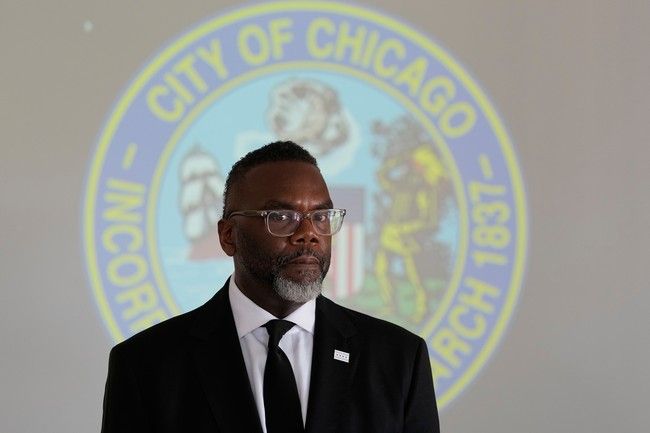
Fifteen people were shot across Chicago during a compressed seven-hour window on July 14, 2026. This violent surge occurred under Mayor Brandon Johnson's explicit anti-incarceration policy stance. Johnson spent 2025 arguing that prison time cannot reduce violence and framed incarceration as immoral and racist. The shooting spree tested his enforcement-free approach to crime reduction in real time.
The timing matters. Johnson's stated opposition to jail as a violence-deterrent directly preceded the worst single-day shooting incident Chicago had recorded in months. Political leadership explicitly rejected the primary legal consequence for armed violence—incarceration—while the city maintained some of the nation's strictest gun laws targeting lawful owners.
Why It Matters for Gun Owners
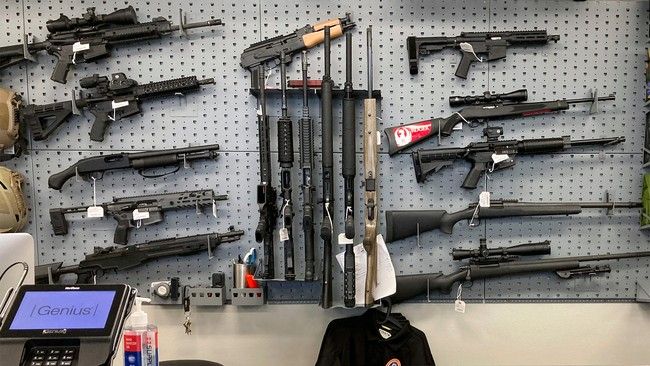
Chicago has enforced registration requirements, magazine limits, and licensing schemes that make legal carry nearly impossible for decades. Yet the city consistently ranks among America's most violent cities. This incident exposes the fundamental policy failure that armed citizens have long documented: restrictions on lawful gun owners do nothing to disarm criminals who ignore all laws.
When political leadership simultaneously rejects incarceration for shootings, police lose their primary enforcement tool. Criminals understand this. Armed citizens in Chicago face a two-front problem: the state restricts their access to lawful defensive tools while simultaneously refusing to punish those who use illegal guns. This creates a protection vacuum that responsible gun owners cannot fill through legal channels.
Illinois carry-permit holders already navigate a hostile regulatory environment in Cook County. This shooting wave underscores a critical reality: law-abiding citizens cannot rely on government for protection. Gun owners in surrounding counties face a different calculus. Legal defensive tools remain accessible there, but the economic and safety risk of entering Chicago remains prohibitive. The city's policies have created a firearms-free zone where criminals operate with reduced consequences.
For carry permit holders nationwide, Chicago's approach serves as a cautionary example. Disarming the innocent while refusing to prosecute the armed guilty produces predictable results. Armed self-defense becomes the only reliable option—yet the state forbids it.
Background
Mayor Johnson's anti-incarceration stance gained prominence throughout 2025. He characterized prison time as a moral failing rather than a public safety mechanism. This rhetoric aligned with broader progressive criminal justice reform efforts, but Chicago's violent crime rates challenged the theory. The city recorded multiple double-digit shooting days in 2026 before the July 14 incident.
Chicago's gun laws date back decades. Illinois requires firearm registration, prohibits magazines over 10 rounds, and imposes strict licensing requirements for carry permits. Cook County (which includes Chicago) made carry permits virtually inaccessible until recent court challenges. Yet these restrictions applied only to lawful citizens. Career criminals obtained firearms through black-market channels unaffected by registration requirements or magazine limits.
DownRange Bottom Line
Chicago constructed a policy failure with two components: maximum restrictions on lawful gun owners and minimum consequences for armed criminals. When a mayor explicitly rejects incarceration as a response to shootings, the remaining deterrent vanishes. Fifteen people shot in seven hours proves the policy works—just not for public safety.
Gun owners must recognize this pattern: disarmament of the innocent plus refusal to incarcerate the guilty equals vulnerability. The solution isn't more gun restrictions. It's prosecuting violent criminals, restoring deterrent consequences, and protecting citizens' right to self-defense. Chicago's choice to reject incarceration while restricting carry permits created this catastrophe. Armed citizens elsewhere should ensure their states don't replicate it.