Gel Test: .300 Win Mag Hits Harder, But Wounds Match 6.5 Creedmoor
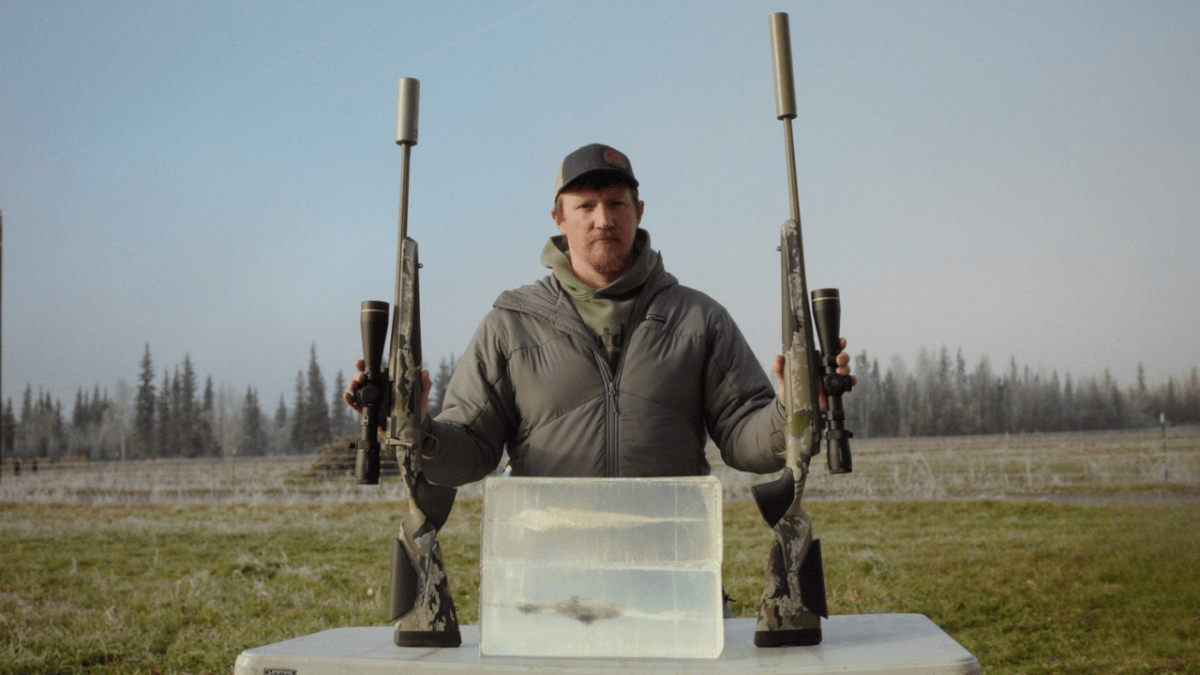
A 180-grain Federal Fusion Tipped from a .300 Win Mag hit Clear Ballistics gel at 2,526 fps. A 140-grain Fusion Tipped from a 6.5 Creedmoor hit the same kind of block at 2,233 fps. Both shots landed at 200 yards. Outdoor Life Guns published the side-by-side on October 30, 2026, and the results undercut the old belief that a magnum buys a bigger wound. The .300 delivered more energy and knocked its block off the table. The wound cavities, though, came out nearly identical. Recovered bullets measured within .015 inch of each other, and penetration matched closely. One test does not settle the debate. The result does line up with the author's earlier gel work and field observations, and it points to one conclusion: bullet construction and selection matter more than the cartridge.
Key Details
The test used a controlled setup built to isolate the cartridge as the only major variable.
- Ammunition: Federal Fusion Tipped in both calibers, same bullet line.
- Bullet weights: 140 grains in the 6.5 Creedmoor, 180 grains in the .300 Win Mag.
- Impact velocity: 2,233 fps for the 6.5 Creedmoor, 2,526 fps for the .300 Win Mag.
- Target: Identical Clear Ballistics gel blocks at 200 yards.
- Velocity measurement: A Garmin chronograph about 15 yards in front of the target.
- Barrel lengths: 18 inches on the 6.5 Creedmoor, 22 inches on the .300 Win Mag.
- Expanded diameters: Within .015 inch between the two bullets, measured on both jacket and mushroomed core.
- Wound channel: The .30-caliber bullet cut a slightly wider cavity across its path, disrupting a bit more material. Overall channel diameter and penetration were nearly identical.
The author stresses that the test does not make the two cartridges equal. Each has strengths and weaknesses. The author also notes that a 6.5 Creedmoor in a short barrel loses muzzle velocity and shrinks the range over which the bullet performs as designed. Impact speed, therefore, is the number to watch.
Background
Winchester introduced the .300 Win Mag in 1963. It became a go-to choice for western big game and long shots, and it built a reputation for reach. Hornady introduced the 6.5 Creedmoor in 2007, pairing a short action with long, high-ballistic-coefficient bullets. The cartridge won fans quickly among precision shooters and then among hunters, thanks to mild recoil and accurate performance. Hunters have argued for decades about whether a larger cartridge gives extra margin for error. The logic is simple: more energy means more damage and a more forgiving miss. Gel testing like this one tries to measure that claim directly. Ballistic gel does not reproduce animal tissue, but it does show how a bullet expands and how deep it travels under identical conditions. The video and article make the same point: a bullet's construction and impact speed shape the wound more than headline energy numbers do.
Why It Matters for Gun Owners
Anyone choosing a deer, elk, hog, or pronghorn rifle should pay attention. The biggest takeaway for hunters is that a magnum does not automatically mean a cleaner kill. If your shots land where they should, a 6.5 Creedmoor with a quality bullet has shown it can produce comparable wound channels. If you shoot at long distance, though, the magnum's velocity advantage carries real weight, because the bullet needs enough speed to expand properly. Check your state's big game regulations before you buy. Several states set minimum calibers or bullet energy requirements, and those rules differ by species. Also check your rifle's barrel length. A shorter barrel can cost a 6.5 Creedmoor meaningful velocity. Chronograph your handload or factory ammo from your actual rifle at the distances you plan to hunt. Compare the impact speed with the bullet maker's minimum expansion velocity. That number tells you more than the cartridge's marketing copy does.
DownRange Analysis
This is a ballistics question, not a legal one, so Bruen does not apply here. The test still matters for anyone who cares about lawful hunting and fair regulation. Regulators often write rules around caliber and energy, and this kind of data gives hunters and wildlife agencies a factual basis for those rules. Our read is simple. Buy the cartridge you shoot well, then choose a bullet with proven construction and check its impact speed at your real hunting distances. Magnum buyers who skip that step are paying for insurance they may not need. Practice with the rifle you will carry into the field. A 6.5 Creedmoor you shoot accurately beats a .300 you flinch through every session. Skeptics of smaller cartridges should also note that this test rewards good bullet selection, not just big powder charges. Read the full Outdoor Life Guns piece for the photos and the gel documentation before you decide.