A 1-Ounce Slug Still Carries 1,100 Ft-Lb at 75 Yards
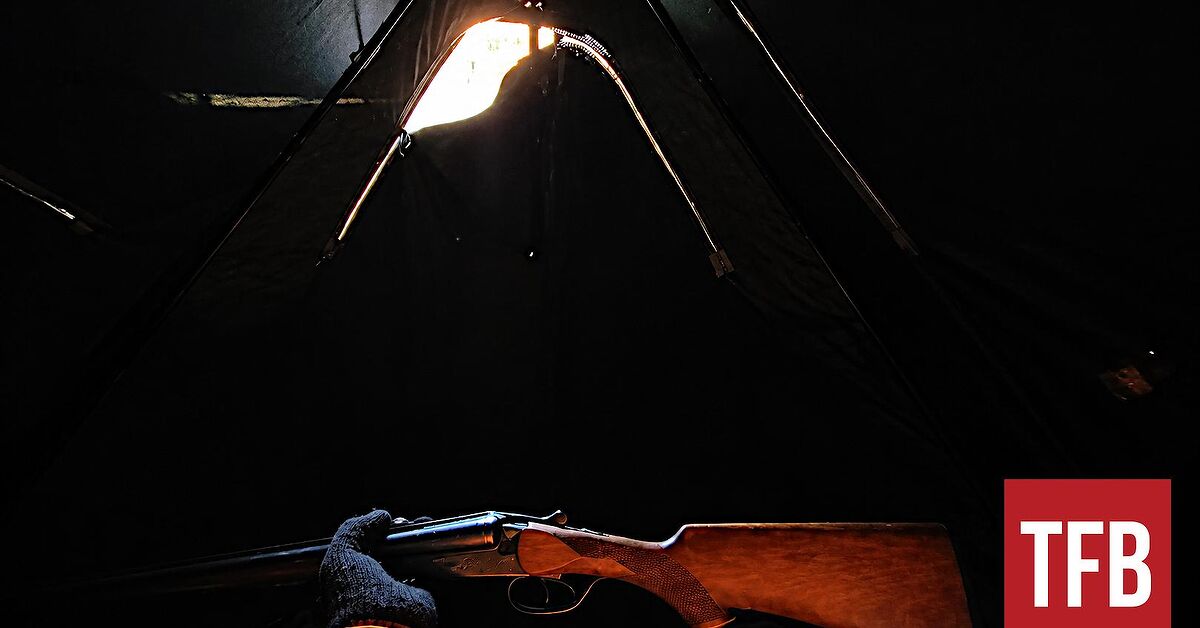
A 1-ounce 12-gauge slug leaves the muzzle with about 2,500 ft-lb of energy and still carries roughly 1,100 ft-lb at 75 yards. Those numbers, cited in a Firearm Blog Fudd Friday column published October 23, 2026, make a strong case that a shotgun can be your best deer gun, not just a fallback. Writer Zac K. built the piece around his own experience with a Baikal side-by-side, and he argues that the right slug gun beats a rifle in some hunting setups. As deer seasons open across North America, that argument deserves a hard look from anyone shopping for a new rifle.
Key Details
The column breaks down where a shotgun makes sense and what each setup can actually do in the field. The figures and examples below come straight from the source.
- Baikal side-by-side: Zac K. hunts from a pop-up blind with a Baikal double featuring 24-inch barrels, which he says maneuver easily in tight quarters.
- Savage 212 and 220: Savage's recently updated slug guns share accuracy features with the Model 110 rifle line.
- Ithaca 37 Deerslayer III: The latest version of Ithaca's pump-action whitetail gun.
- Rifled slug guns: Accurate to about 100 yards, and capable of reaching deer vitals at 200 yards with optics and dialed-in loads.
- Smoothbore with Foster slugs: Useful to about 50 yards with a bead, and to roughly 75 yards with rifle sights and practice.
- Slug energy (1-ounce 12-gauge): About 2,500 ft-lb at the muzzle, 1,500 ft-lb at 50 yards, and 1,100 ft-lb at 75 yards.
- Foster slug: A .72-caliber, 1-ounce projectile the author says makes a large entry and exit wound.
- Buckshot: The author says quality buckshot loads reliably drop deer at 30 yards or less when the shooter knows the gun.
Background
Shotgun-only deer zones date back to a simple idea. A slug that misses its target is less likely to travel far enough to hit someone in the next county. Lawmakers used the same logic to justify straight-wall cartridge laws. Over the past decade, a growing number of states have opened deer seasons to straight-wall rifle cartridges such as the .444 Marlin, .45-70, and 360 Buckhammer, while still barring bottleneck rounds like the .30-30, .308 Winchester, and .30-06 Springfield in some areas. Hunters in shotgun-only zones once had no choice. Hunters in straight-wall states now get rifle options, but many still keep a slug gun in the cabinet. The column makes clear that the shotgun has never really left the deer woods. Slug technology has improved, with rifled barrels and sabot loads pushing practical accuracy well past the old smoothbore limits.
Why It Matters for Gun Owners
If your state limits deer hunting to shotguns, or restricts you to straight-wall rifles, your gear choice comes down to local law first. Check the current regulations before buying anything. Shotgun-only zones still cover parts of several states, and the rules change year to year. Hunters who live in those areas should look at what their shotgun can do. A rifled slug barrel changes the picture. A smoothbore with a rifle-style sight gives you a credible 75-yard option for a bow-range or stand-range hunter. Also watch for sabot slugs. The column says they outperform Foster slugs at distance, and that matters if you plan to take shots past 100 yards. Ammo choice drives performance more than most buyers expect, so test your load at the range before you hunt.
DownRange Analysis
Game regulation falls under state wildlife authority, not the Second Amendment. Under New York State Rifle & Pistol Association v. Bruen, courts ask whether a modern gun law fits the nation's historical tradition of firearm regulation. Hunting method rules rarely face that fight, since they regulate how you take game rather than whether you may keep arms. A state that bans a particular cartridge for deer is a wildlife policy question, and courts have generally let those rules stand. Expect that to continue. From a market view, the shotgun slug segment is alive. Savage and Ithaca keep updating their designs, which tells you manufacturers see steady demand. What should you do right now? If you already own a shotgun, buy a box of sabot slugs, put them on paper at 50 and 100 yards, and find your real effective range. If you're buying new, confirm your state's rules first. Then pick the gun that fits your hunting, not the one with the flashiest specs.