More Than 950 Rounds Across Eight Stages at FAST-Idaho
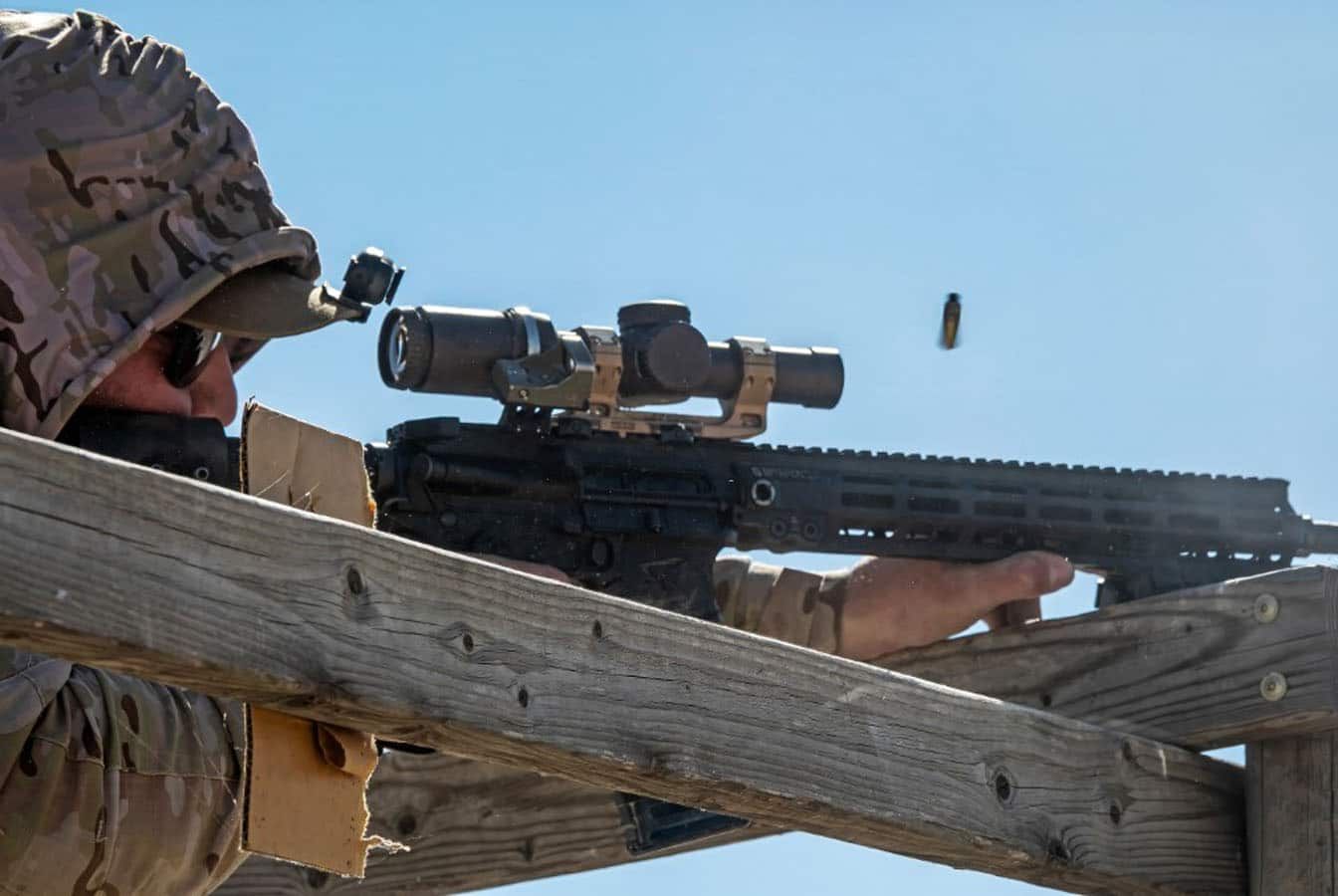
Shooters at FAST-Idaho fired more than 950 rounds across eight stages at the Parma Rod & Gun Club in Parma, Idaho. Recoil Magazine's team shot the match, which runs six-minute stages built for continuous movement and shooting. The event added a new AutoRifle Division, where belt-fed guns took the line. FAST courses run long, and the format rewards shooters who keep their rifle and pistol working under fatigue. For anyone who trains with a carry gun, the format asks a question most range sessions skip: what happens after the first minute? Recoil reported firsthand and listed upcoming FAST matches in Utah, Arizona, West Virginia, and Iowa.
Key Details
The match breaks down into hard numbers that set it apart from a typical weekend match. Here is what the Idaho event delivered:
- Location: Parma Rod & Gun Club, Parma, Idaho
- Stage count: Eight stages
- Round count: More than 550 rifle rounds and 400 pistol rounds
- Stage length: Six minutes per stage, designed to keep shooters moving the entire time
- Distances: Targets engaged from close range out to 300 to 500 yards, with bonus targets at 720 yards
- Divisions: Armored, Gray Man, Trooper, Irons, Minuteman, and the new AutoRifle Division
- Belt-fed setup: Lima SIX with Inoculum belt feed and a Trigger Kicker FRT
- Upcoming matches: Utah, Arizona, West Virginia, and Iowa
One stage stood out. Shooters started seated in a dune buggy, which spun a donut and threw up a cloud of dust before the timer began the moment the buggy stopped. From there, competitors engaged pistol steel at 50 yards for 20 hits, then sprinted to a broken-down bus and hit five rifle targets between 50 and 150 yards. The course continued through a truck door, the hood of a van, the van's broken windows, and finally an SUV. Each position required a different shooting platform, and the crawl through the van added a physical penalty to every shot that followed.
Background
FAST sits in a different category from most shooting sports. Pistol matches sanctioned by USPSA, the national pistol governing body, typically run shorter courses. At a recent USPSA Major, a strong shooter finished 11 stages in roughly 200 seconds total. At FAST-Idaho, a good shooter needed about 2,200 seconds to finish eight stages, which works out to nearly 40 minutes of shooting and moving. That gap matters. Short stages reward speed and precision from a standing start. Long stages reward endurance, reloading under fatigue, and the discipline to keep a gun reliable when your heart rate stays high. FAST builds its divisions around gear choices, letting shooters bring an armored carbine, a discreet carry-style setup, a traditional iron-sighted rifle, or a belt-fed machine gun. That structure keeps the field within reason while leaving room for shooter choice.
Why It Matters for Gun Owners
Most gun owners train in bursts. They run a box of ammunition on a static lane, then go home. A self-defense encounter rarely looks like that. It involves movement, cover, awkward positions, and a timer that does not care about your excuses. FAST forces those variables into the course design. Shooters who want to test their gear should pay attention to round count. Expect to fire hundreds of rounds in a single weekend, which means budgeting for ammunition, magazines, and time. Watch for division rules before you buy hardware. The AutoRifle Division requires a different platform than the Irons or Trooper divisions, and a rifle that fails the rules will cost you a match. Gun owners in Idaho, Utah, Arizona, West Virginia, and Iowa have the nearest scheduled events. Check the FAST calendar before you plan a trip, because dates and locations can change.
DownRange Analysis
Competition does not test Second Amendment rights directly the way Bruen did. Bruen asked whether a modern gun law matches the nation's historical tradition of firearm regulation. A shooting match settles no constitutional question. It does, however, build the skill set that makes an armed citizen competent, and that matters in any argument about responsible ownership. From a market standpoint, the new AutoRifle Division signals that competitive shooters want heavier, higher-capacity setups and will pay for them. Expect manufacturers to chase that demand. What should you do right now? Put a FAST match on your calendar. Shoot a course that makes you move, reload, and hit targets at distance while your breathing is ragged. Log your results, note where your gear failed, and fix it before you need it for real.