A Bolt Gun Doesn't Need a $1,299 Flow-Through Suppressor
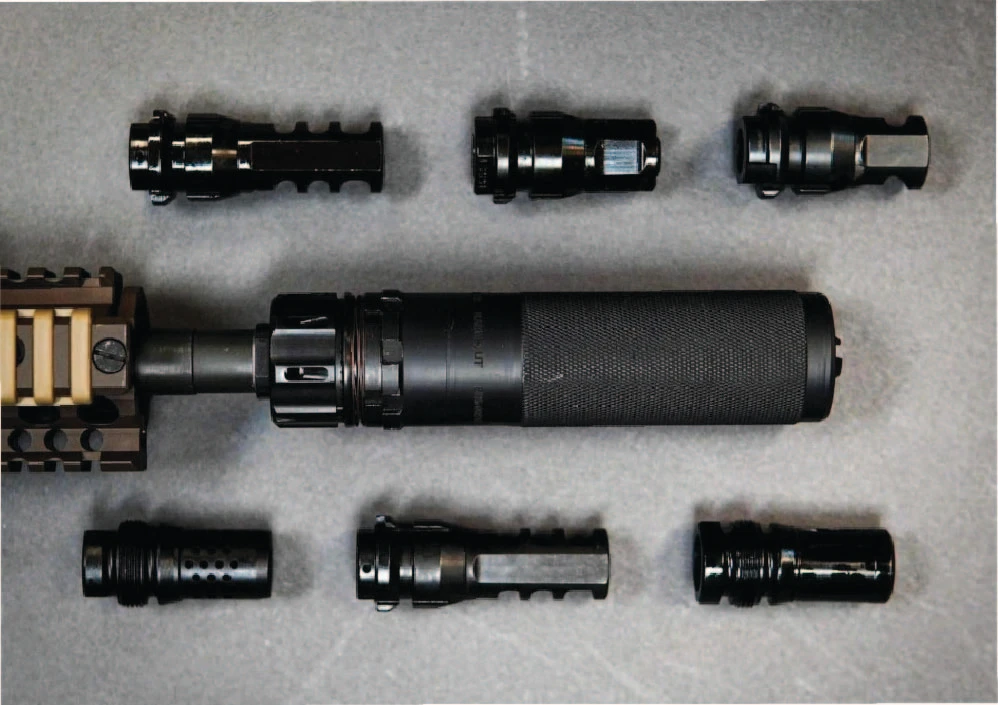
A bolt-action rifle doesn't need a flow-through suppressor, and a cheaper traditional baffle can usually does the same job. That is the core argument in a Tactical Gun Workshop (TTAG) piece published October 20, 2026. The author ties the point to shooters at NRL Hunter competition, where most suppressors on the line were high-backpressure baffle cans, many with brakes attached. The reasoning holds up. Flow-through designs solve a gas problem that bolt guns largely don't have, and the trade-offs in weight, price, and upkeep fall on the shooter.
Key Details
The source lays out a specific comparison. Here are the facts that matter:
- Competition context: An NRL Hunter competitor fires at most 8 rounds per string, which removes most of the reason to chase low backpressure.
- Flow-through design: These cans route gas forward through internal channels instead of trapping it in baffles. Many current models are 3D printed.
- HUXWRX Flow 762 Ti: 11.8 ounces, 6.7 inches long, listed as low as $1,299 at Silencer Shop.
- Dead Air Nomad Ti: 9.6 ounces, 6.5 inches long, listed at $999. It is fully welded.
- Break-in: Silencer Shop says the HUXWRX Flow cans need roughly 200 rounds to burn off residual powder left from printing.
- Maintenance: Many printed cans are one-piece units. Carbon collects in small passages, cleaning usually means a solvent soak, and serious repairs often go back to the manufacturer.
- Muzzle flash: Flow-through cans can show more flash because more gas exits the front.
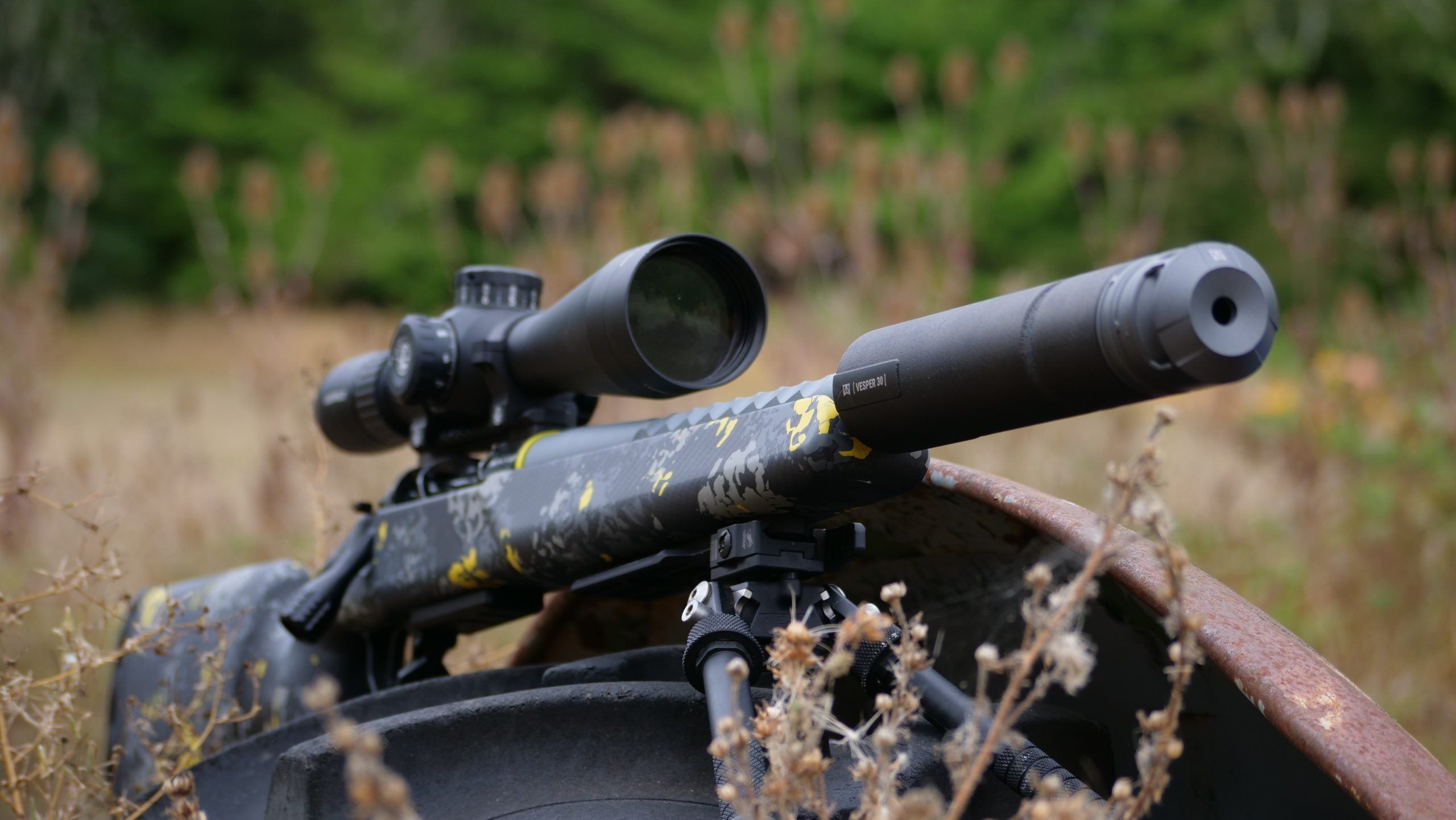
- TENET Vesper 30 and Limited 30: These cans use advanced design and modern materials but lack low-backpressure or flow-through features.
Background
A traditional suppressor traps expanding gas in a stack of baffles. That slows the gas and quiets the shot, but it also raises pressure inside the can. Some of that pressure pushes back down the bore. On a gas-operated AR-15, the rearward gas enters the gas system, cycles the action harder, and can vent through the ejection port and charging handle toward the shooter's face. Shooters have long dealt with this by adjusting gas blocks, fitting heavier buffers, or buying gas-busting charging handles.
Flow-through designs emerged to fix that problem. Additive manufacturing made their internal passages practical, which is why the concept is relatively new. Low-backpressure cans let AR owners skip some of that tuning. The fix only makes sense where a gas system exists to overdrive. Bolt actions never had one, so the design solves a problem they never had.
Why It Matters for Gun Owners
If you own a bolt rifle, a lever gun, or a single shot, the buying decision looks different than it does for an AR. A traditional baffle can will likely serve you well. Weight matters most. Two ounces on the end of a barrel adds up on a rifle you carry through the field for hours, and the stalking hunter feels that difference on every ridge. Cost matters too. A printed flow-through can often runs more than a conventional design because of newer machinery and more complex production.
Maintenance is the hidden cost. A one-piece printed can that doesn't disassemble makes cleaning harder, and a damaged unit may leave you waiting on the manufacturer. Check whether a can disassembles before you buy. Ask the seller about break-in requirements too. Hunters should also weigh muzzle flash, since a flow-through design shows more of it at first and last light. Competitive shooters with 8-round strings have little reason to pay the premium.
DownRange Analysis
Suppressors remain accessories rather than arms, and the legal question is settled for most owners. Bruen asks whether a regulation fits the nation's historical tradition. A choice about internal baffle design raises no constitutional issue. The buying question is purely mechanical and financial. Gun owners should match the can to the action. For a bolt gun, a traditional baffle can delivers quieter shots at lower weight, lower cost, and simpler upkeep. Save flow-through designs for suppressed AR platforms that cycle gas and eject brass into the shooter's face. Before you buy, confirm the can disassembles, check the weight on your scale, and compare the price against the $300 gap between the two example cans. Then spend the difference on ammunition.