Three Points of Contact Decide Whether Your Carry Gun Stays Put
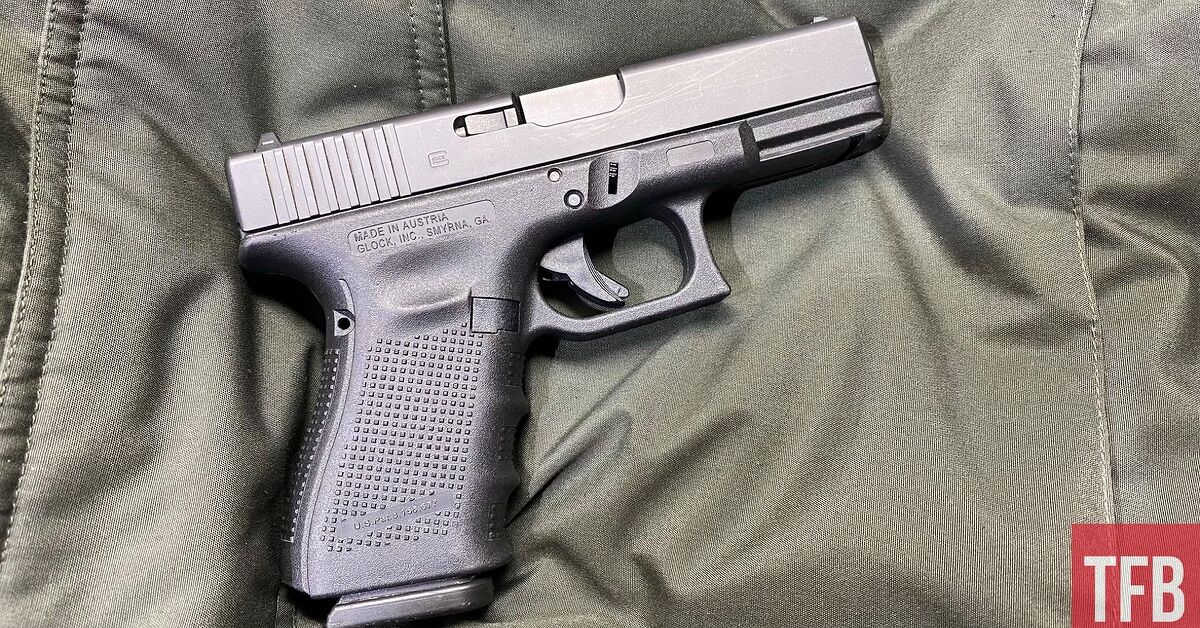
The best carry gun is the one you keep on your body every day. Concealed Carry Corner, a column published October 22, 2026 by The Firearm Blog, makes that case with a simple test: a handgun needs three points of contact to sit still on your waistline. Those points are the slide, the belt clip, and a claw attachment on some holsters. The author says most people choose a gun that's too small, chasing light weight, and then struggle to shoot it well. He recommends the Glock 43X for smaller-framed carriers and the Glock 48 or Glock 19 for larger ones. He also argues that waistline carry, inside or outside the waistband, gives the best balance of concealment and draw speed.
Key Details
The column breaks its advice into specific, testable points:
- Three points of contact: The slide, the main belt clip, and the claw attachment on some holsters keep a handgun from shifting.
- Too small is the common mistake: A gun short enough to lose a contact point eventually migrates on the belt.
- Frame size matching: Smaller-framed carriers can use the Glock 43X. Larger-framed carriers should look at the Glock 48 or Glock 19.
- Ankle carry: Ankle holsters push the author toward the smallest guns, and draw distance is longer. He says most people do not train enough to close that gap.
- Shoulder holsters: They suit long drives and extended seated periods. In hot months they require a large cover garment, such as a loose button-up or lightweight jacket, which makes daily use hard.
- Waistline carry: The column calls this the default because it offers shorter draw travel and a solid baseline of concealment.
- Shop testing: The author estimates a buyer can find a workable fit within about 30 minutes of handling different models.
- Personal choice: He carries a Glock 48 as his everyday concealed handgun.
Background
Carry guns have shrunk for two decades. Compact and subcompact pistols flooded the market as manufacturers chased concealment and lighter weight. The Glock 43 family, a slim single-stack 9mm line, helped drive that shift, and longer-slide variants such as the 43X and 48 widened the choice for shooters who wanted more grip and sight radius without going full size. The trade-off is familiar to anyone who has carried a small gun for years. Grip shrinks, recoil feels sharper, and accurate shooting under stress gets harder.
The legal side of carry changed too. In New York State Rifle & Pistol Association v. Bruen, decided in 2022, the Supreme Court struck down New York's proper-cause requirement for public carry and set a text-and-history test for evaluating modern gun laws. Since then, more states have moved toward permitless carry, and the gun, holster, and carry position have become more personal decisions. Those choices shape whether a carrier actually follows through on carrying every day.
Why It Matters for Gun Owners
This advice applies to nearly every concealed carrier, whether you live in a permitless state like Texas or a permit-required state. A gun that shifts or rubs a hot spot on your waist will end up in a drawer. The column's core point is that comfort drives consistency, and consistency matters more than any spec sheet. If you are new to carry, or you bought a gun online that never felt right, check your fit. Hold the gun. Sit down in the car. Bend over. Reach for your keys. If the gun moves or digs in during those motions, it is the wrong size or the wrong holster for you.
Watch the holster as closely as the pistol. Ankle carry sounds appealing, but a long draw under stress is a real problem if you do not train regularly. Shoulder rigs that work in January can turn miserable in July when you need a heavy cover garment. Waistline carry, with a holster built for your specific model, remains the most practical baseline for most people. Before you buy a holster, confirm it fits your exact pistol and your belt. Check your state's rules on where and how you can carry, because a comfortable setup is not a legal shield.
DownRange Analysis
The three-point-contact rule is sound engineering. A gun that cannot lock into your belt and body geometry will migrate, and that migration is what causes printing, discomfort, and abandoned carry. The author's frame-size advice also holds up. A subcompact with a short grip works for some hands, but it asks more of your grip strength and control, and the Glock 48 or 19 gives larger-handed shooters room to run a proper grip.
Here is what we would do this week. Go to a shop, handle at least four models, and dry-fire from your actual carry position. Carry an unloaded gun in your holster for a full day around the house before you commit. Then get to a range and run a few hundred rounds through the gun you choose, because a comfortable carry gun you cannot shoot well is still a liability. Treat the column as a fit guide, not a full verdict. Your hands and your body make the final call.