Keep Your Suppressor Mounted? Zero Shift and Carbon Lock Decide
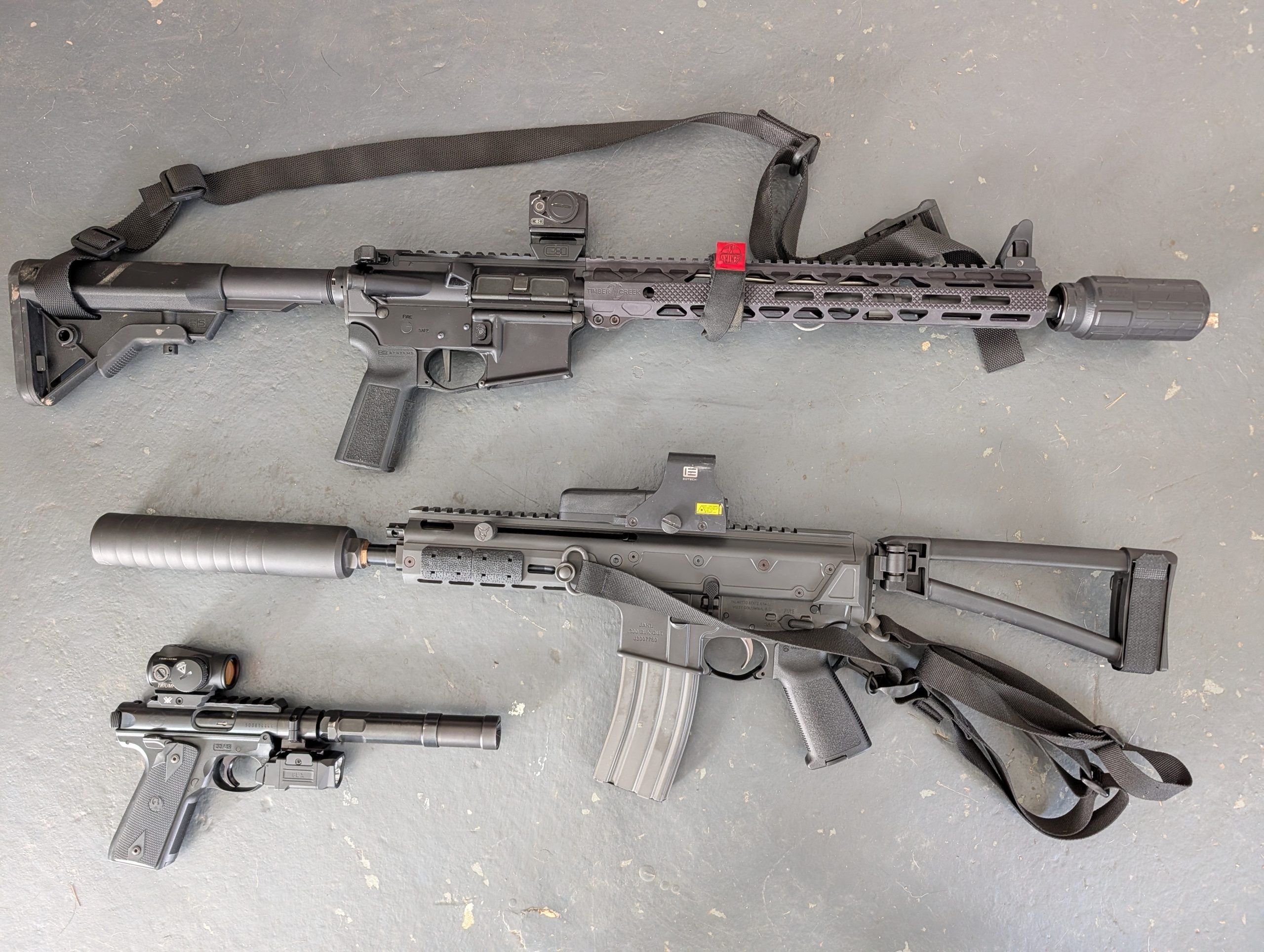
A TTAG writer runs a Q Speakeasy on his 8.5-inch .300 Blackout AR pistol and never takes it off. His reasoning is simple: the rifle stays in one configuration from the range to home defense, and the whole setup fits in a compact case without disassembly. The piece, published October 23, 2026, weighs that habit against two real costs of permanent mounting. The first is point-of-impact shift when a can goes on or off. The second is carbon lock, which can seize a suppressor to its mount after heavy use. The right answer depends on how often you shoot, how you store the rifle, and whether you swap cans between guns.
Key Details
The writer's home-defense gun is an 8.5-inch .300 Blackout AR with a Q Speakeasy suppressor that stays installed. He trains with it weekly and keeps it staged at home. He boresighted the rifle first, then set his zero with the can attached, and he shoots that configuration exclusively. The article lays out the trade-offs in plain terms:
- Point-of-impact (POI) shift: Added muzzle weight and changes in barrel harmonics can move impacts relative to the unsuppressed zero. Tight groups can remain tight while printing somewhere else.
- Consistent shift: The writer uses a two-inch shift at 100 yards as an example. A predictable shift in the same direction and amount is manageable.
- Repeatability: The real problem is a point of impact that changes unpredictably each time the can comes off and goes back on.
- Mount performance: Well-designed taper mounts and quality quick-detach systems can return to zero well. Direct-thread systems also repeat strongly when installed correctly. Mount surface condition and fit matter.
- Carbon lock: Heat, pressure, and fouling can build deposits on mounting surfaces and threads. Heavy round counts with the can never removed raise the risk.
- Mitigation: Tapered interfaces limit carbon migration into threads. Periodic inspection and the maker's maintenance schedule still apply.
- Storage: A frequently shot rifle in a controlled environment differs from one sitting in a humid safe for months.
- Transport: A suppressor adds length, which complicates carrying a long gun.
Background
Suppressors are regulated under the National Firearms Act of 1934. Buyers paid a $200 tax stamp for decades, a figure that never changed from the 1934 law. The One Big Beautiful Bill Act, signed in July 2025, reduced the NFA tax on suppressors to $0 effective January 1, 2026. Registration, background checks, and the paperwork process remain in place. That change pushed suppressor ownership into the mainstream, and many shooters who once kept one can on a single rifle now run cans on several guns.
That multi-gun habit is what makes POI shift a practical problem. A can that moves between a 16-inch carbine, a short-barreled AR, and a .308 rifle forces a new zero each time, or it demands a documented offset for each configuration. Taper mounts became popular because they seat the can the same way every time, which helps repeatability. Direct-thread mounts remain common on rifles where shooters want a fixed, permanent connection. Carbon lock has been a known issue for years, and owners have traded tips on cleaning, mount inspection, and anti-seize for both cans and threads.
Why It Matters for Gun Owners
If you own one suppressor and one rifle, the decision is mostly about habit. Leave it on if you shoot that rifle regularly, store it in a climate-controlled space, and check the mount every range trip. Remove it if the rifle sits for months, if you share the can between guns, or if you tend to skip maintenance on the rear of a suppressor. Owners who hunt should check their state's rules on suppressor use, because some states restrict or ban them in certain contexts. California and New York impose tight limits on suppressor possession and use, so anyone in those states should confirm the current rules before buying or transporting a can. Hunters and competitors who alternate between suppressed and unsuppressed setups need to record both zeros. If you pull a can and put it back on a different rifle, that single decision can cost you a precise shot.
DownRange Analysis
Permanent mounting makes sense for a dedicated defensive or range rifle, and the writer's logic holds up. One configuration means one zero, fewer variables, and no drift from repeated torque cycles. Bruen does not change that math. It governs whether a state can ban the arms, not how you mount one. The bigger risk is the hidden one: carbon lock. A can that seizes to its mount can turn a routine cleaning into a shop visit, and that is why inspection matters more than whether the can stays on. Right now, shooters should do three things. Verify the zero with the can installed, then run a confirmation group after reinstalling it. Inspect the mounting surfaces and threads on a schedule you actually keep. Store the rifle in a dry environment, and if you plan to move cans between guns, buy a taper mount and log each zero.