Your Universal Holster Could Shoot You Before a Bad Guy Does
A worn-out universal holster can flex enough to put pressure on the trigger, and that pressure can fire the gun the moment you sit down. The Firearm Blog's latest Concealed Carry Corner installment names that holster problem and ball ammunition as two of the most dangerous carry mistakes. The column also calls out flimsy dress belts and the myth that aftermarket parts make you a faster shooter. Each mistake comes from the same root: carriers pick cheap or convenient gear over gear built for daily, loaded carry. The fix costs less than a single trip to the emergency room.
Key Details
The column breaks the mistakes into specific, checkable claims. Here is what it says:
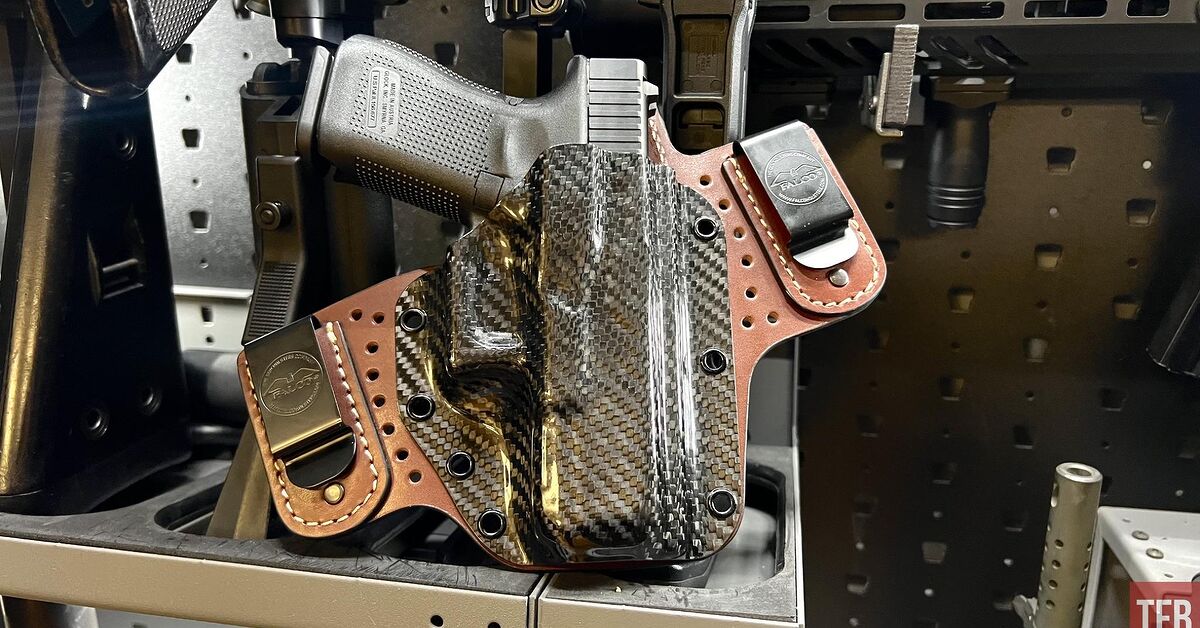
- Universal holsters: Affordable one-size holsters lose structural integrity over time. The material flexes, and that flex can press on the trigger inside the holster. The author cites online examples of people who shot themselves while sitting down with a worn universal holster on their belt.
- Training versus gear: The author points to Jerry Miculek beating a competitor on a dueling tree. The competitor wore a race gun and competition belt. Miculek wore a flannel shirt and work pants, grabbed a stock Glock 17 Gen 5 from the table, and holstered it in a Fobus polymer OWB holster. The Glock had iron sights and no red dot, and Miculek cleared the plate rack before the competitor hit the second plate.
- Carry belts: The author recommends a belt about 1.5 inches wide made of sturdy leather with no flex along the edges. If you can bend the belt so the edges touch, the belt is too flimsy. A flimsy belt lets the gun shift, stretches out, and causes hot spots on the opposite hip. Blue Alpha is named as a maker of non-leather carry belts that offer fine adjustment.
- Ball ammunition: The author accepts ball ammo only in 45 ACP, and only for feeding reasons he considers outdated, since rounded self-defense loads now solve that problem. Ball rounds punch clean holes through targets and keep traveling downrange. The author notes that every round you fire carries liability if it hits a bystander.
Background
Carry gear mistakes are old news, but the stakes have changed. Since the Supreme Court decided New York State Rifle & Pistol Association v. Bruen in June 2022, more Americans carry in public under state permits and constitutional protection. Each new carrier who buys a holster off a shelf is a potential safety failure in the making. Universal holsters became popular because they fit many guns and cost little. Their weakness shows up slowly, through wear, not on the day of purchase.
The training-versus-gear debate has a long history in competitive shooting. Top shooters have always preached fundamentals over hardware. The Miculek example illustrates that point in a dramatic way. Ball ammunition has been the default cheap practice round for decades. Defensive hollow points and modern rounded self-defense loads were built to expand, transfer energy, and stop inside the target. Many carriers still load their defensive gun with range ammo because it costs less and sometimes feeds better.
Why It Matters for Gun Owners
Any carrier who uses a universal holster should inspect it today. Look for stretched sides, a loose clip, or a shape that no longer holds the gun firmly. If the holster flexes when you squeeze it, retire it. Replace it with a holster made for your exact model, with a full trigger guard covering the trigger. Holster-specific models usually cost more, but they hold their shape and keep your trigger protected through a sit-down, a car ride, or a fall.
Check your belt next. A flimsy dress belt will not support a loaded pistol for a full day. Try the bend test. Carriers who switch to a thicker, rigid belt usually notice less shifting and less hot spotting within a week. Check your ammo too. Pull the magazines and look at the load. If the box says practice or range, that round does not belong in your carry gun. Buy defensive ammunition in your caliber, run it through your gun, and carry the same load you tested.
Gun owners in every state that allows carry face these same physical risks. Civil liability for a missed round or a stray hit varies by state, so check your state's self-defense and civil liability rules before you carry.
DownRange Analysis
The holster warning deserves the most attention. An accidental discharge from a worn universal holster is an equipment failure you can prevent for less than the cost of a box of ammo. Courts applying Bruen look at whether a regulation fits the historical tradition of firearm regulation. Carry safety rules rarely face that test, because no one is arguing that a sturdy holster infringes a right. The burden falls on the carrier, and that burden is practical, not legal.
The Miculek example cuts both ways. Gear does not make you a better shooter, but a reliable holster and belt do make you a more consistent carrier. A gun that moves, sags, or fails under load wastes the skill you built at the range. Spend your first dollar on training and your second on a holster and belt that match your gun. Then load defensive ammunition and go run a draw drill this weekend.