California Judge Kills Private Range Plan; Owner Stays Defiant
Patrick Jones will not pursue a private shooting range on his Shasta County property after a local judge blocked the project with regulatory red tape, but the California gun owner made clear he intends to continue shooting on his own land. The judge's decision effectively killed the range development without ruling on its merits, instead weaponizing local permitting requirements to prevent the project from advancing.
Key Details
- Jones owns land in Shasta County, California suitable for a private shooting range
- A local judge wrapped the project in administrative and regulatory barriers that made it economically unviable
- Jones has not yet committed to rebuilding or appealing the decision
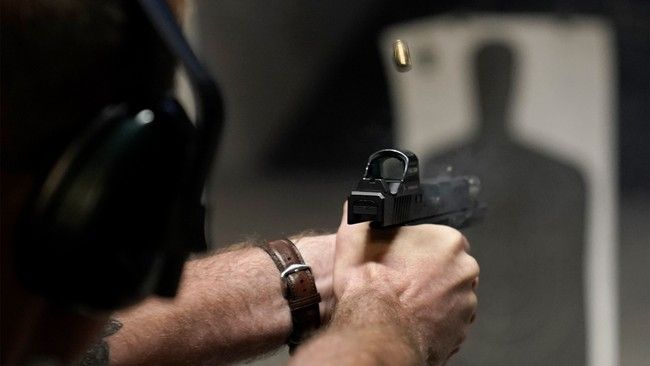
- The gun owner stated his position clearly: he will continue shooting on his property regardless of official approval
Why It Matters for Gun Owners
This case illustrates how California counties use zoning and permitting as de facto ban mechanisms on shooting ranges and gun-related facilities. Even landowners with private property face local courts willing to strangle projects through regulatory delay and expense rather than transparent legal challenge. For California gun owners, this reinforces that establishing private ranges or shooting areas requires either accepting years of litigation or simply exercising your property rights and tolerating potential harassment. The ruling sends a message: local judges will side with anti-range activists using procedural warfare instead of law.
DownRange Analysis
Jones's defiance matters more than his retreat from the range project. He explicitly rejected the premise that a judge's regulatory gauntlet determines what he can do on his own property. This mirrors the broader Second Amendment question: does ownership mean anything if local government can strangle lawful use through bureaucracy? California courts increasingly answer no. A Bruen-compliant challenge to these permitting schemes would argue that historical property rights protected shooting on your own land—California's modern restrictions lack historical analogue. Gun owners in similar positions should document every regulatory barrier and cost; a future federal case depends on that record.