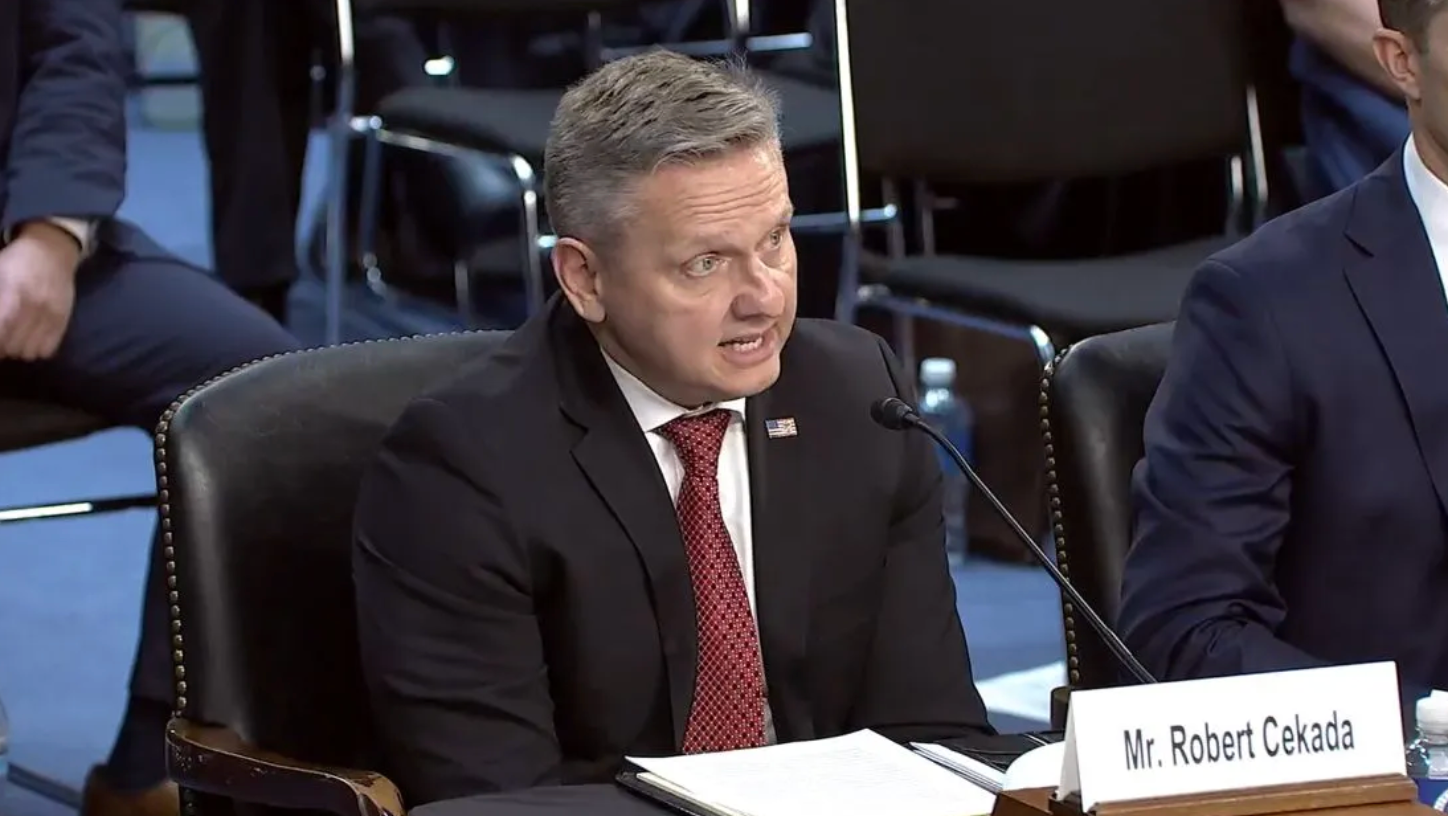
ATF Chief Disputes Critics' Claims About Proposed Rule Changes
ATF Director Robert Cekada published a column in August 2026 pushing back against what he characterizes as false claims about the agency's reform proposals. Cekada specified what the proposed rules would and would not change, directly challenging gun-rights critics who say the agency is overstepping its authority. The director's public defense signals ongoing friction between the ATF and Second Amendment advocates over regulatory scope and interpretation.
Key Details
Cekada's column targeted specific mischaracterizations of the agency's reform agenda without identifying which claims or critics he considered most misleading. He outlined the actual parameters of proposed rules, though the column did not detail the full text of pending regulatory changes. The ATF director framed the dispute as one of accuracy versus activist rhetoric rather than substantive policy disagreement. No new rules were announced in conjunction with the column—this was a clarification of previously disclosed proposals.
Why It Matters for Gun Owners
The gap between what the ATF says its rules will do and what gun owners believe they'll accomplish directly affects how you plan your purchases, ownership, and carry practices. If the ATF's characterization differs from its actual enforcement, you need to know that now. This public back-and-forth also signals how the agency will interpret ambiguous language once rules go live—Cekada's column is a preview of the ATF's official reading. Pay attention to which specific claims he disputed; those are the flashpoints where enforcement will likely test the boundaries. Gun owners in all states should monitor how federal courts handle challenges to these rules under the Bruen standard, since the ATF's description of its own intent often becomes central evidence in litigation.
DownRange Analysis
Cekada's defensive posture suggests the ATF knows its proposals face serious legal and political headwinds. Rather than release the full rules and let the text speak for itself, he felt compelled to argue against his critics in print—a tactical choice that reveals concern about the optics. Courts reviewing these rules under Bruen's historical test won't defer to Cekada's characterization; they'll examine the rules' text and actual effect. If what the rules actually do differs materially from what Cekada claims, that discrepancy becomes ammunition for plaintiffs. Gun owners should demand the final rule text before drawing conclusions. Don't take the ATF director's word—or ours. Read the Federal Register filing when it drops and decide for yourself whether the agency is operating within its statutory authority or manufacturing authority it doesn't possess.