Federal Lands Lawful Carry Act Opens Park Buildings to Armed Visitors
Congress introduced the Federal Lands Lawful Carry Act to strip existing prohibitions on firearm carry inside federal park buildings, visitor centers, and related facilities. The bill targets interior spaces within parks managed by the National Park Service and other federal land agencies, where current policy treats lawful gun owners as trespassers despite permitless carry being legal on federal grounds themselves.
Key Details
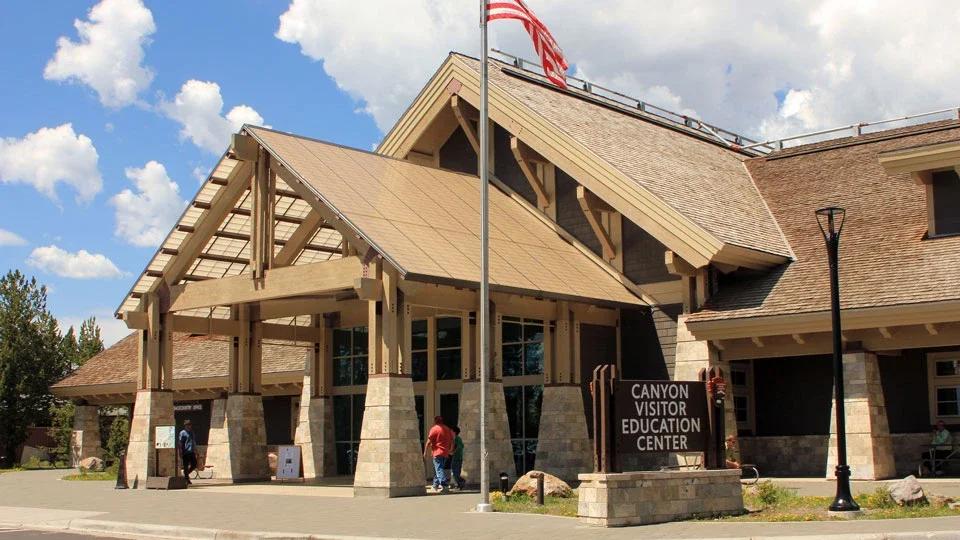
The Problem: Federal law currently bans firearms in NPS buildings and visitor centers, even though exterior federal lands permit lawful carry under state law. Gun owners can legally carry on trails and grounds but face criminal exposure the moment they enter a ranger station or indoor facility.
The Solution: The Federal Lands Lawful Carry Act would align interior federal building policy with exterior federal land policy—allowing any person lawfully permitted or authorized to carry under state law to do so inside federal park facilities without federal interference.
Scope: The measure applies to National Park Service buildings, visitor centers, and administrative structures on federal lands where state law permits carry.
Why It Matters for Gun Owners
This closes a genuine liability gap. Currently, a concealed carry holder legally armed on a national park trail becomes a federal criminal upon entering a visitor center to use a restroom or review maps—even in states with constitutional carry. The inconsistency creates traps for law-abiding citizens and contradicts New York State Rifle & Pistol Association v. Bruen, which affirmed carry rights in public spaces without categorical bans based on building type. Gun owners in every state benefit: this protects carry rights across all federal lands regardless of state permit requirements, eliminating a federal no-carry zone that currently exists independent of state law.
DownRange Analysis
The bill's legal foundation is solid under Bruen. Federal buildings on public lands have no historical precedent for categorical carry bans—the restrictions postdate the Second Amendment by nearly two centuries. The bill also avoids federal overreach into state carry licensing by simply deferring to state law: if you're lawfully armed under state rules, federal buildings follow suit. Passage depends on congressional will, not constitutional merit. Watch for federal agency opposition; NPS typically resists measures reducing interior control. This should move through committee quickly if sponsors can maintain focus.