California Doctors Block Suppressor Access Despite Hearing Protection Benefits
Medical organizations in California are actively opposing suppressor legalization, choosing to prioritize gun control advocacy over hearing protection science. The resistance from physician groups contradicts established medical evidence showing that suppressors reduce noise-induced hearing loss—one of the most common occupational injuries among shooters. This positions California doctors against both constitutional rights and their own profession's documented health recommendations.
Key Details
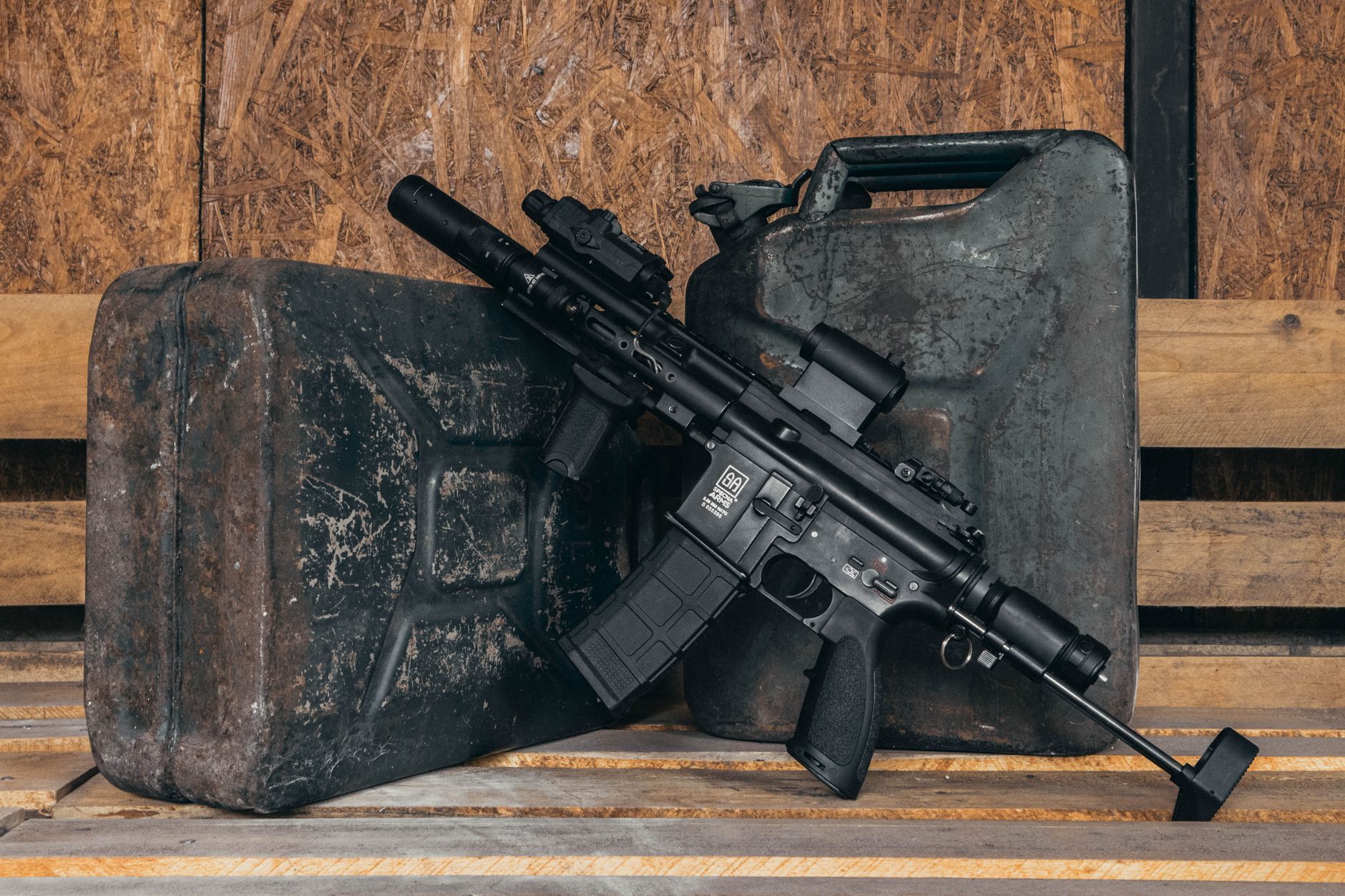
The opposition centers on suppressor access. California maintains one of the strictest suppressor bans in America, with medical groups actively lobbying against legalization efforts. Doctors have historically called suppressors by alternative names—silencers—which fuels misconceptions about their function. Long-serving shooters across the country consistently identify suppressors as the single piece of gear they most wish they had owned from the start of their shooting careers. The primary benefit: hearing preservation over decades of shooting.
Why It Matters for Gun Owners
Suppressor access directly impacts shooter health and lifespan of hearing. Noise-induced hearing loss from gunfire is permanent and cumulative—80+ decibels without hearing protection causes documented damage. A suppressor reduces muzzle blast by 20-35 decibels, bringing rifle rounds into safer ranges. Shooters in states like Texas, Florida, and most of the South can legally own suppressors; California shooters cannot. This creates a medical inequity: California gun owners suffer higher rates of hearing damage simply because advocacy groups—including doctors—block proven protective equipment. Competitors, hunters, and recreational shooters in restricted states face either hearing loss or abandoning the sport entirely.
DownRange Analysis
California's suppressor ban fails basic constitutional scrutiny post-Bruen. Suppressors are commonly owned and have a direct, documented health purpose—exactly what courts now demand. The irony is sharp: medical boards that claim to prioritize public health are blocking access to equipment that prevents occupational injury. This is advocacy disguised as medicine. Gun owners in California should document hearing damage and file complaints with medical boards opposing suppressors. The legal pathway exists—Bruen gives courts permission to strike down bans on commonly owned protective equipment. If California doctors won't change position, courts will likely force the issue. Meanwhile, every shooting season without suppressors adds measurable decibel exposure to thousands of California shooters.