Catholic Bishops Claim Neutrality While Backing Gun Restrictions
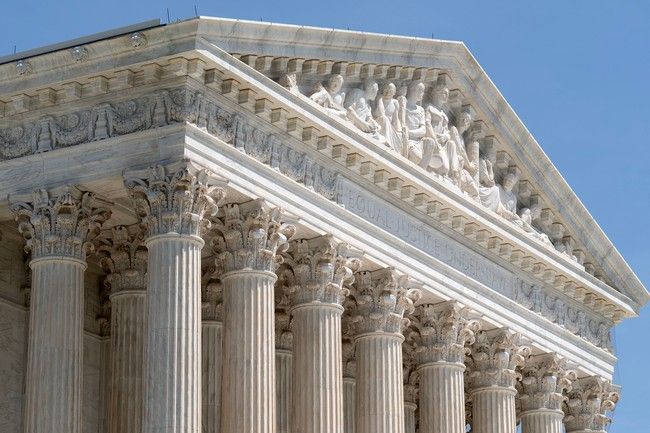
The United States Conference of Catholic Bishops submitted an amicus brief in the Viramontes Supreme Court case addressing assault weapon bans, stating it takes no position for or against either side—a claim contradicted by the brief's actual content. Filed in September 2026, the filing reveals tension within the Church hierarchy over Second Amendment protections and the constitutionality of state-level firearm restrictions.
Key Details
The Brief's Contradiction: While formally claiming neutrality, the bishops' actual arguments support the constitutionality of assault weapon bans. The brief does not argue against restrictions or defend the plaintiffs challenging those laws. Instead, it frames the issue through a lens of public safety and moral authority without directly advocating for either party to prevail.
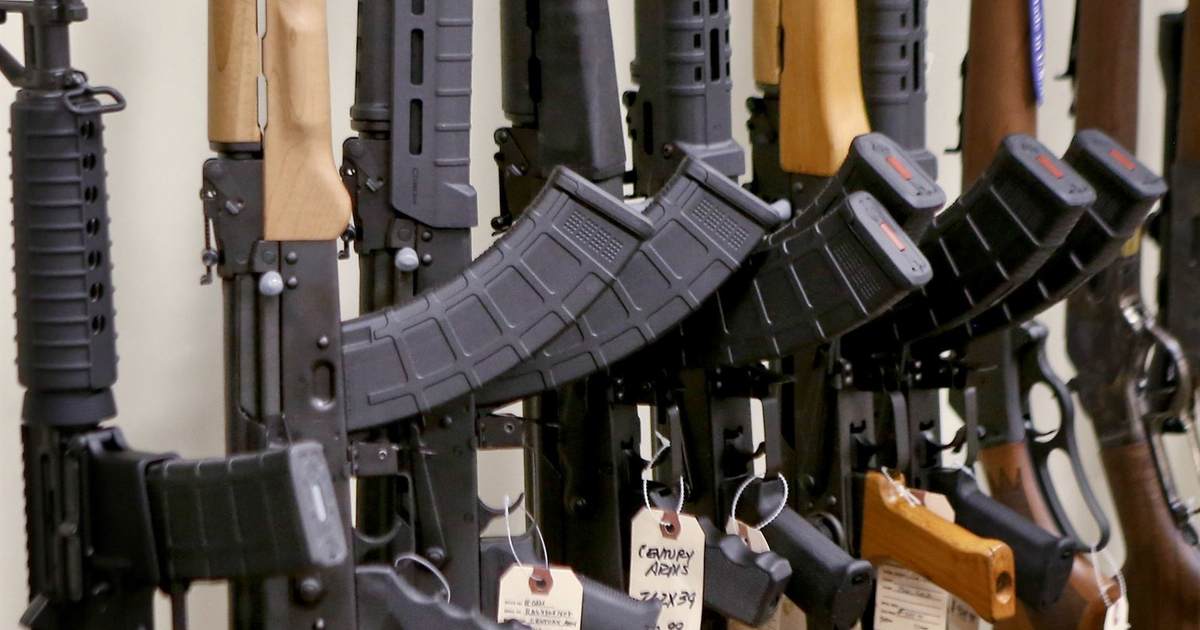
Case Context: Viramontes directly challenges state assault weapon bans. The Supreme Court filing represents the bishops' first major institutional position on this category of guns post-Bruen. The case carries implications for which firearms Americans can legally possess in restricted states.
Why It Matters for Gun Owners
This brief signals that established religious institutions—with significant political influence—are positioning themselves to support firearm restrictions without taking explicit legal stands against Second Amendment rights. For gun owners, the real threat is not the bishops' stated neutrality but their actual arguments, which provide a moral and social framework that courts and legislatures can use to justify bans. If the Supreme Court views religious institutions' concerns about public safety as legitimate policy considerations, it weakens constitutional defenses against future restrictions. The brief's calculated ambiguity also telegraphs that mainstream institutions are comfortable allowing gun rights to erode so long as they don't directly lead the charge. Gun owners in states with existing bans should monitor how courts weigh these religious arguments against individual constitutional rights.
DownRange Analysis
This filing is strategically weak but politically astute. The bishops want credibility on both sides—appearing concerned about violence while avoiding direct legal combat against Second Amendment advocates. Under Bruen's historical textualism standard, religious arguments about modern public policy carry zero weight. Courts must ask whether the Founders protected specific arms, not whether contemporary institutions think bans serve the common good. The brief's non-position position actually undermines its own arguments; if assault weapon bans are constitutionally sound, the bishops should say so explicitly. Instead, they've created rhetorical cover for judges seeking justification for restriction without committing to a principled stance. Gun owners should expect more of these institutional neutrality plays in coming cases—they're the most dangerous because they appear reasonable while moving the needle toward restriction.