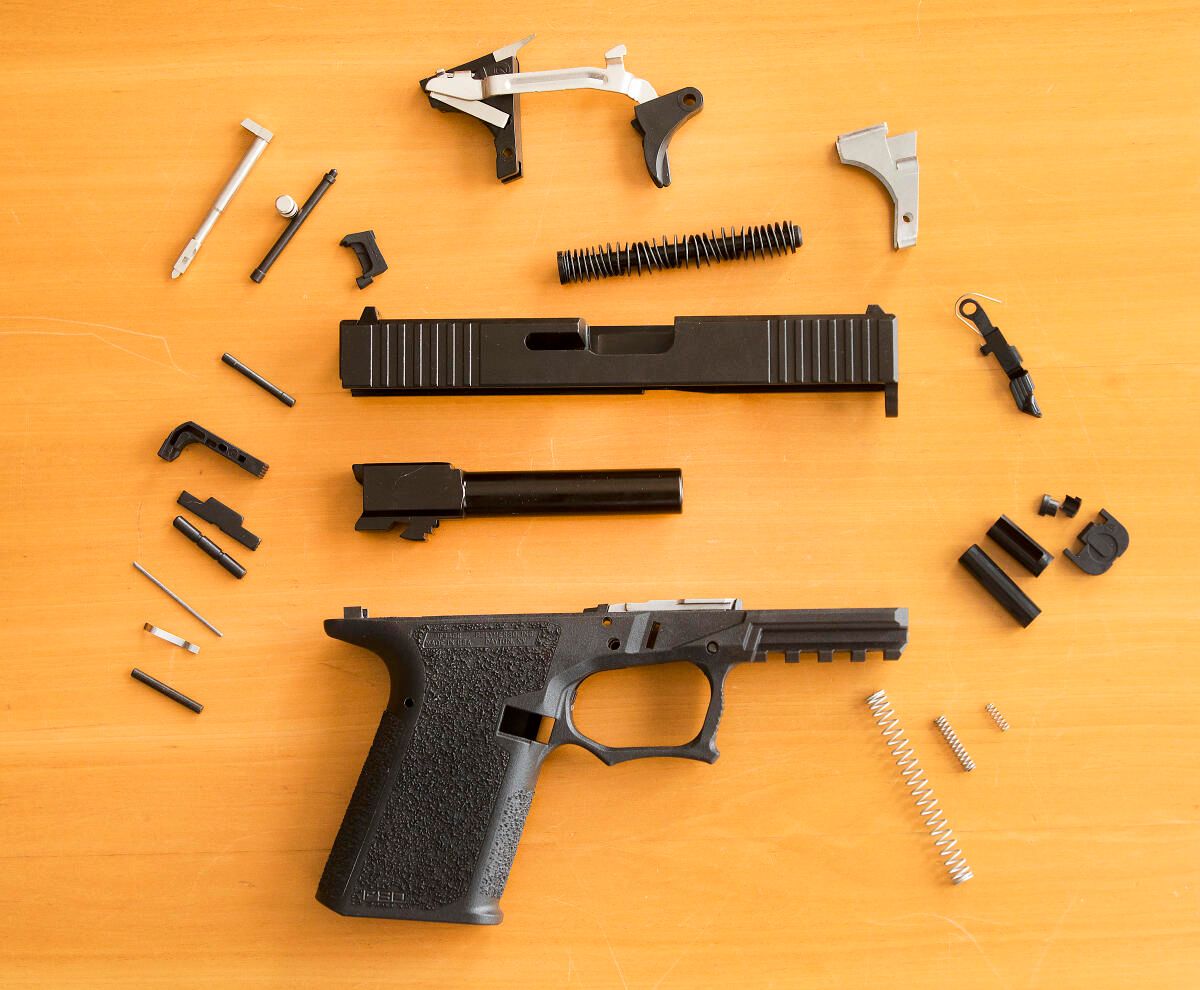
First Amendment May Shield 3D Gun Code From Federal Prosecution
Duke Firearms Law published legal analysis concluding that Computer-Aided Design files for 3D-printed firearms likely receive First Amendment protection as speech, not regulable conduct. The analysis challenges the legal basis for federal restrictions on publishing and distributing digital gun manufacturing code, applying established precedent governing expressive material and government censorship.
Key Details
The core argument: CAD files are code—a form of expression protected under cases like United States v. Bernstein (encryption software) and Sorrell v. IMS Health Inc. (data speech). Government cannot suppress code merely because it describes how to manufacture a lawful product.
- Current DOJ enforcement treats files as weapons regulations, not speech questions
- Prosecutors rarely advance First Amendment defenses; most cases resolve through plea or guilty verdicts
- No court has yet definitively ruled on CAD file protection post-New York State Rifle & Pistol Assn. v. Bruen (2022)
- International Distribution Defense Fund faced pressure for hosting files; similar platforms have gone dark under regulatory threat
Why It Matters for Gun Owners
If courts adopt Duke's analysis, gun owners gain a viable First Amendment shield against prosecution or civil action for possessing, publishing, or sharing CAD files. States pursuing aggressive digital gun regulation—particularly New York, California, and New Jersey—would face immediate constitutional challenges to their statutes. This affects anyone who researches, downloads, or distributes files, regardless of whether they actually print a firearm. The outcome also establishes precedent for how courts treat other expressive material touching on firearms (blueprints, videos, technical manuals). Understanding this defense now matters if you face charges or civil claims.
DownRange Analysis
Bruen fundamentally reframed this fight. Pre-2022, courts deferred to ATF and DOJ on defining what counts as a weapon. Bruen restored historical analysis and textual originalism—tools that favor First Amendment arguments. Code is speech. Government cannot ban speech because it's inconvenient or describes controversial conduct.
The Duke memo is not settled law—yet. Federal appeals courts haven't directly addressed the question. Expect the first appellate decision within 24 months, likely from 9th Circuit (California cases) or 2nd Circuit (New York). Gun owners should understand: possession of files alone is not a crime in most jurisdictions. Distribution remains legally hazardous, but prosecutions may not survive motions to dismiss if First Amendment arguments are raised competently.