Cold Metal Fusion Unlocks New Suppressor Geometry Impossible With Current Methods
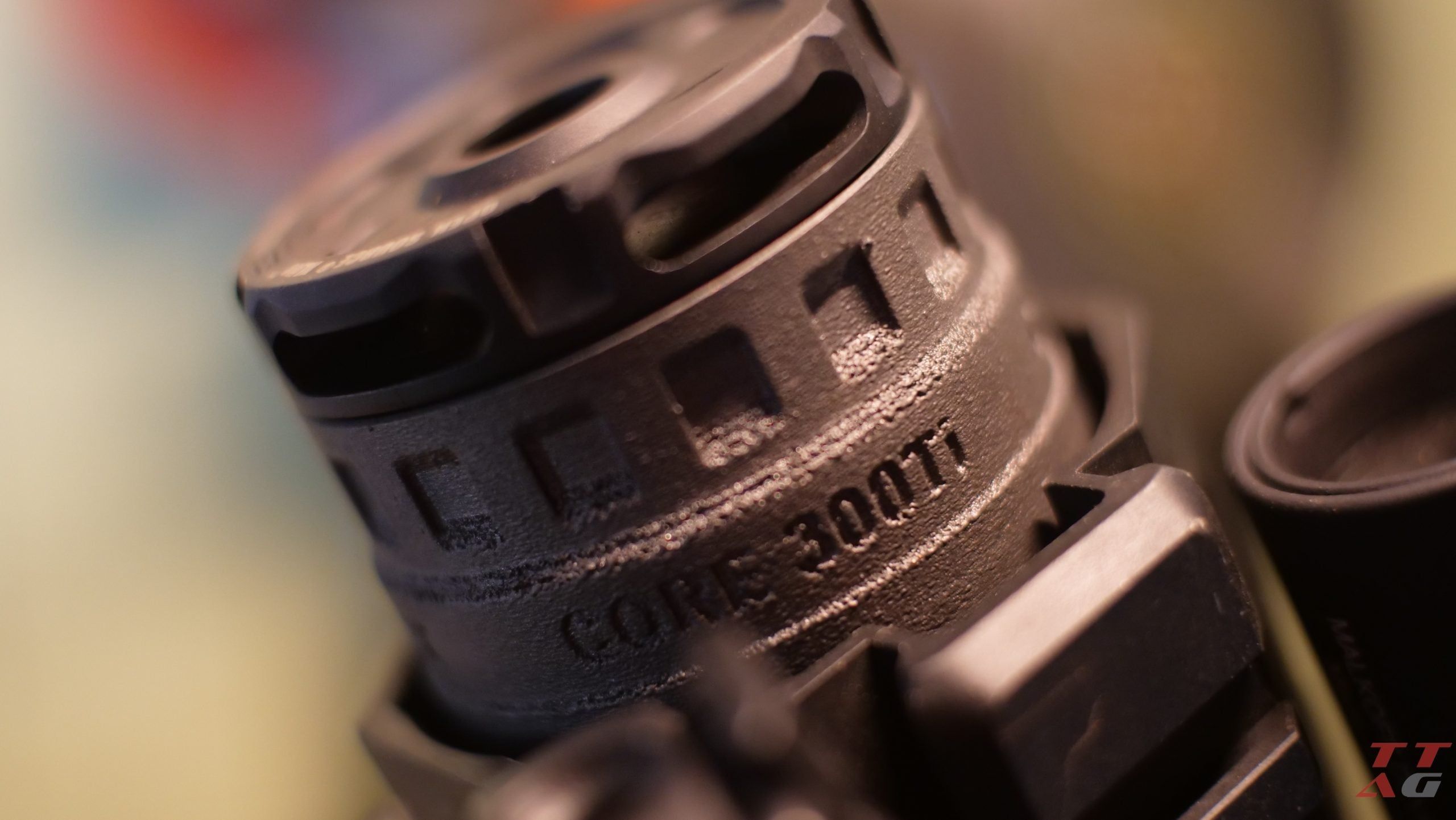
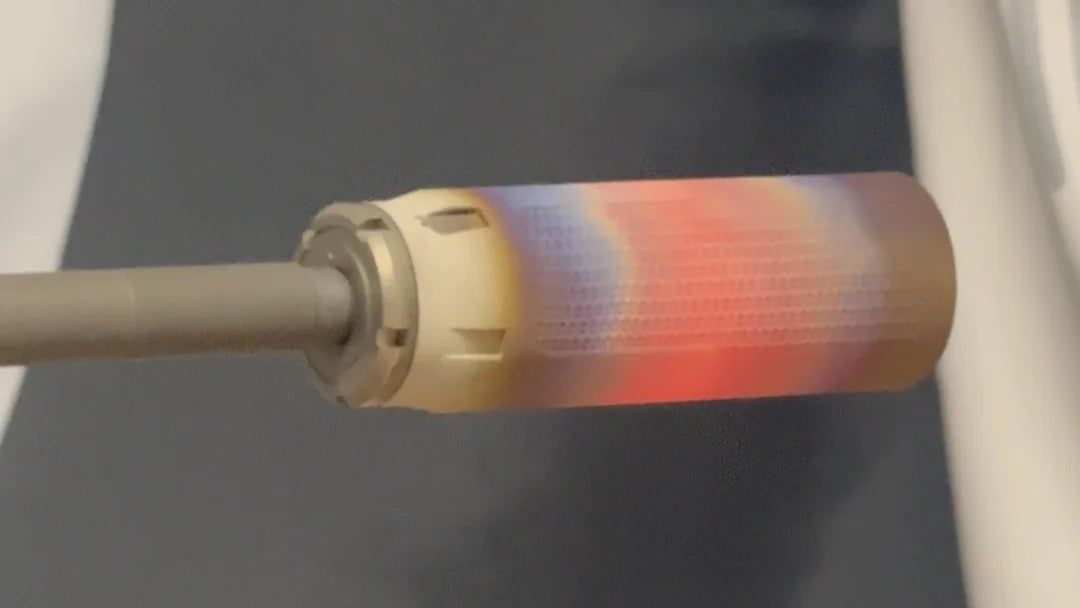
Suppressor manufacturers are moving beyond 3D printing with Cold Metal Fusion (CMF), a manufacturing process that delivers lighter weight, superior balance, and internal chamber designs that traditional machining and additive manufacturing cannot produce. The technology represents the next generation in suppressor innovation by overcoming the geometric and structural limitations that have constrained previous manufacturing approaches.
Key Details
CMF advantages over existing methods:
- Lighter overall weight compared to traditionally machined suppressors
- Improved balance and handling characteristics
- Complex internal geometries unreachable through conventional machining
- Overcomes design constraints inherent to 3D-printed suppressors
- Maintains structural integrity required for sound and flash reduction
The process bridges the gap between additive and subtractive manufacturing, allowing engineers to design suppressor internals based on acoustic and ballistic performance rather than machining limitations.
Why It Matters for Gun Owners
Suppressor shooters have long accepted trade-offs: machined cans are heavy but durable; 3D-printed options are lighter but face durability questions and regulatory scrutiny. CMF changes that equation. A lighter suppressor improves rifle handling, reduces fatigue during range sessions, and makes NFA-registered cans more practical for carry platforms like the AR-15 or modern bolt guns. For competition shooters, better balance means faster target transitions. For hunters, lighter weight reduces equipment fatigue on all-day hunts. The technology also potentially lowers manufacturing costs long-term, which could affect retail pricing. Gun owners should watch which manufacturers adopt CMF first—early adopters may offer superior sound signatures and durability at competitive prices.
DownRange Analysis
CMF is a manufacturing innovation, not a legal workaround, so it survives Bruen scrutiny. The ATF regulates suppressors by material and function, not manufacturing process. A CMF suppressor remains an NFA item requiring registration and tax stamp. What matters commercially: manufacturers with CMF capability gain competitive advantage in the suppressor market through performance gains at lower weight penalties. Expect premium pricing initially, followed by market pressure to adopt the technology across product lines. For the shooter, this means the next 3-5 years should see measurably better suppressors at stable or lower prices as production scales.