Colt Revives Two Wheelguns — Which Snake Fits Your Holster?
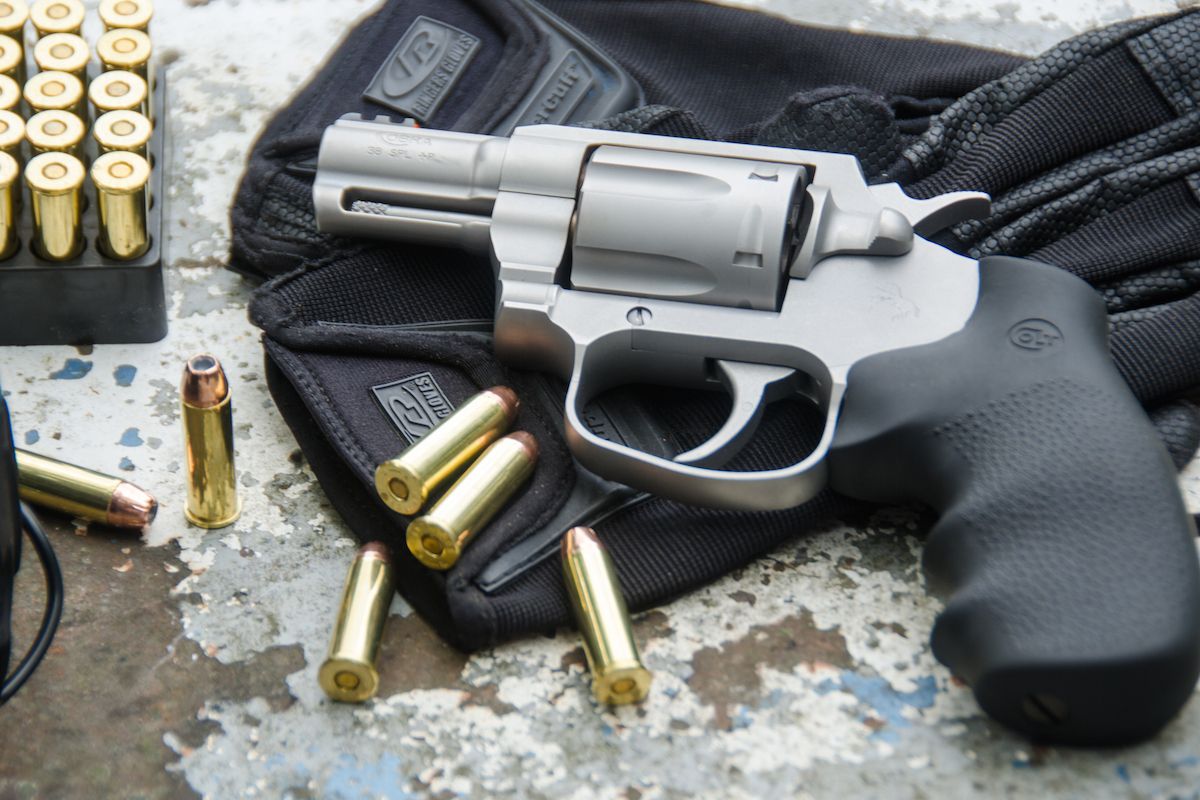
Colt markets two distinct revolvers under its Snake Gun line: the Cobra chambered in .38 Special and the King Cobra in .357 Magnum. Both ship with six-round cylinders and stainless steel construction. The Cobra targets shooters prioritizing manageable recoil and easier follow-up shots, while the King Cobra appeals to those demanding magnum stopping power from a compact platform.
Key Details
- Cobra: .38 Special, six-shot, stainless steel frame and cylinder, soft-shooting profile optimized for control and accuracy at defensive distances.
- King Cobra: .357 Magnum, six-shot, stainless steel construction, higher velocity and energy at cost of increased recoil and muzzle rise.
- Both carry the Colt nameplate and compete in the modern micro-revolver market dominated by performance expectations set by competitors like Smith & Wesson's Performance Center line and Ruger's Security-Six variants.
Why It Matters for Gun Owners
Revolver shooters face a genuine trade-off: soft-shooting .38 Special rounds carry lower recoil but reduced terminal performance, while .357 Magnum delivers established stopping power with the penalty of harder-to-control recoil. Carry shooters in permissive states choose based on their ability to manage recoil under stress and their threat assessment. Defensive use demands reliable shot placement—missed follow-ups because magnum recoil knocked you offline defeats the purpose. Competitors and recreational shooters may favor the Cobra for speed, while protection-focused carriers lean toward the King Cobra's ballistic advantages. Both remain viable across all 50 states where revolvers face no magazine or capacity restrictions.
DownRange Analysis
This pairing reflects the market's maturation around handgun selection. The revolver isn't a compromise gun anymore—it's a deliberate choice against semi-automatic complexity. Colt's dual-snake strategy lets shooters match chambering to mission without switching platforms. Neither gun faces legislative pressure in the 2026 environment. The real question is whether shooters understand their own recoil management limits. A .357 you flinch with shoots like a .38 anyway. Pick the gun you'll shoot straight, practice relentlessly, and trust your ammunition.