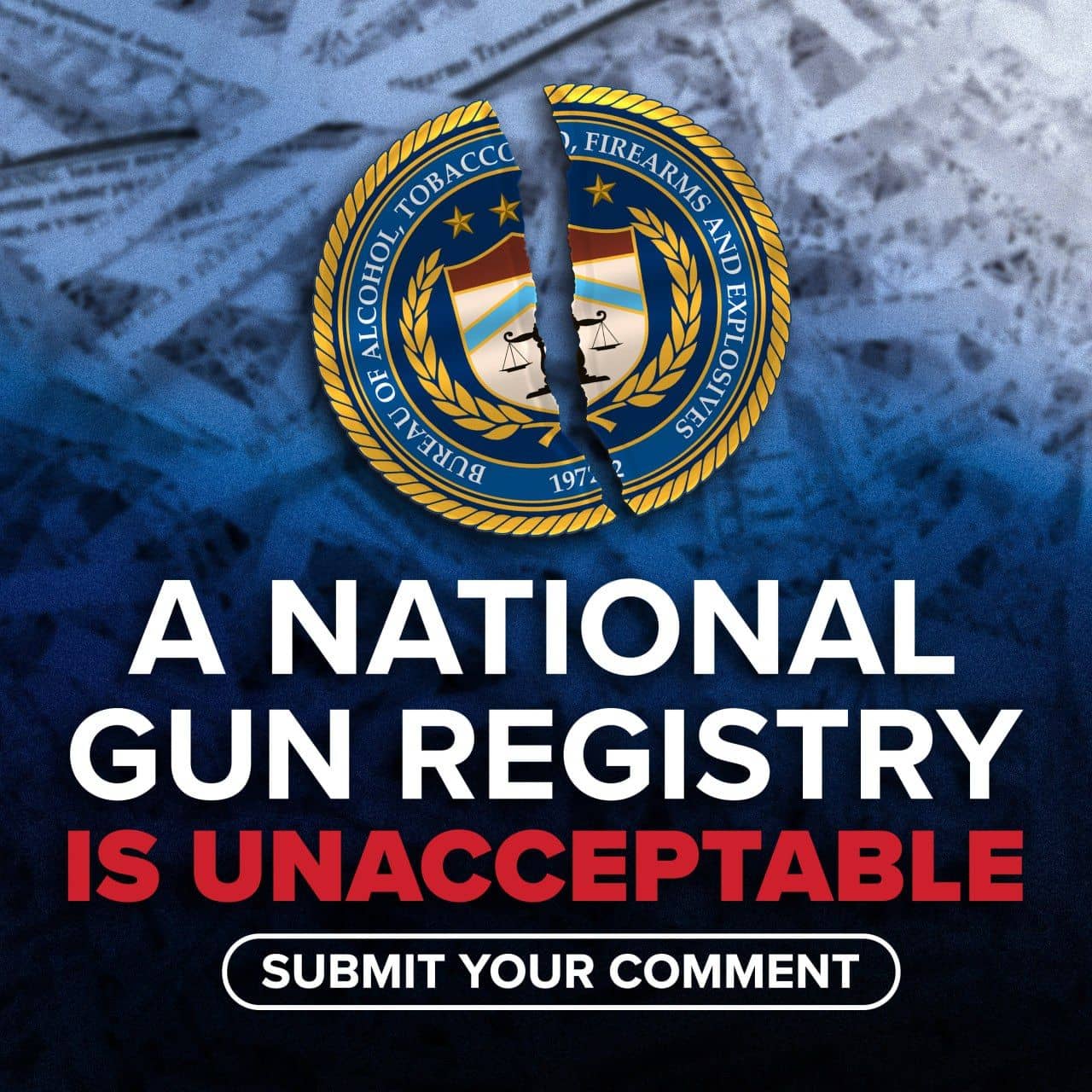
ATF Retaining Gun Records to Build Illegal Registry
The Bureau of Alcohol, Tobacco, Firearms and Explosives is deliberately keeping Form 4473 background check records instead of destroying them as mandated by federal law. This retention scheme amounts to a de facto gun registry—exactly what the 1986 Firearm Owners Protection Act explicitly prohibited. Gun owners have a narrow window to submit public comments challenging this illegal practice before the ATF solidifies the policy.
Key Details
Form 4473 documents record the identity of every firearm purchaser, the specific make and model of each gun bought, and the date of purchase. Federal law requires dealers to destroy these records after a set period. The ATF is circumventing this requirement by retaining copies indefinitely, creating a permanent database that connects names to specific firearms. This retention violates the statutory language that specifically prohibits the government from maintaining a centralized gun owner registry. The public comment period is the only remaining legal avenue to block this policy before it becomes entrenched.
Why It Matters for Gun Owners
A functional gun registry in federal hands creates the infrastructure for confiscation. History and current global examples show governments use registries to identify which citizens own firearms, then demand surrender or face criminal charges. This affects every gun owner in every state. You cannot purchase a firearm without filling out Form 4473—your information is already in the system. If the ATF keeps these records permanently, your name stays linked to every gun you've ever bought through a dealer. Serious gun owners need to submit comments now opposing this retention scheme while the legal window remains open.
DownRange Analysis
The ATF knows it lacks statutory authority to retain these records. That's why this is done through administrative action rather than legislation. The agency is betting most gun owners won't notice or submit comments. This is exactly the kind of regulatory overreach that Second Amendment case law—particularly New York State Rifle & Pistol Association v. Bruen—should strike down. The retention scheme isn't tied to any traditional or historical government practice. Gun owners should submit detailed comments citing the statutory prohibition and constitutional concerns. This fight happens in the Federal Register comment period, not after the policy takes effect.