New York's Budget Bill Blocks 3D-Printed Guns Starting 2026
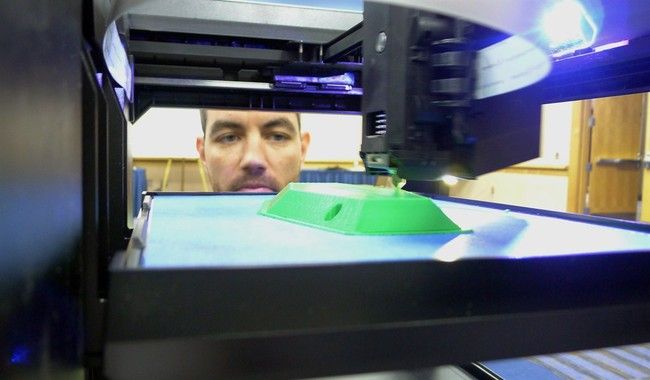
New York embedded 3D printer restrictions into its 2026 budget bill. The law mandates software kill switches preventing manufacturers from producing firearms and certain accessories via 3D printing. The provision targets consumer-level printers but extends to industrial and commercial equipment. Implementation begins immediately upon governor signature.
The mandate requires manufacturers to install geofencing technology and file-recognition software. Printers must identify firearm component designs and refuse to execute the print job. Violators face civil penalties and potential criminal charges. No exemptions exist for licensed gunsmiths or FFL holders.
Why It Matters for Gun Owners
This isn't just about hobby tinkerers. The legislation reaches manufacturing facilities, tool shops, and commercial printers used across industries. Any 3D printer capable of producing metal or polymer parts falls under the law's scope.
Gun owners lose a legal manufacturing pathway. Courts haven't definitively settled whether civilians can legally manufacture firearms for personal use in New York, but the 3D printer ban eliminates that question entirely. The state effectively crimininalizes the technology rather than the act.
The precedent matters nationally. If New York's restrictions survive legal challenge, other states will copy the blueprint. California, Illinois, and Massachusetts already track similar legislation. Gun owners in those states face identical restrictions within two years.
Commercial gunsmiths and manufacturers face the harshest impact. Shops using 3D printers for prototype testing, small-batch production, or parts manufacturing cannot operate. A gunsmith upgrading trigger housings or slide components through additive manufacturing becomes a felon. The law doesn't distinguish between firearm manufacturing and legitimate gunsmithing work.
Background
New York has aggressively restricted firearms manufacturing since 2019. The state banned ghost gun sales, required serial numbers on all firearms, and restricted ammunition sales. This 3D printer mandate follows a decade-long trend of manufacturing-focused restrictions.
Supporters claim the technology enables untraceable weapons. Critics note that modern manufacturing doesn't require 3D printing—CNC machines, mills, and traditional fabrication methods remain unrestricted. New York's law targets the method, not the outcome.
The geofencing component reveals the law's scope. Software tracks printer location and function. A printer in New York cannot operate even if the user travels across state lines. Users cannot disable the feature without breaking the law.
File-recognition technology works through machine learning databases. Manufacturers must maintain servers identifying firearm designs and blocking execution. This requires ongoing software updates and vendor compliance. Third-party printers and used equipment purchased before implementation face gray area enforcement.
DownRange Bottom Line
New York just criminalized an entire manufacturing technology rather than address specific criminal behavior. Gun owners lose access to legitimate manufacturing pathways. Commercial shops face operational extinction.
The law survives on the state's broad definition of "firearm manufacturing"—essentially any production of parts or complete guns. Courts may strike portions, but the geofencing requirement stands firm precedent in New York courts.
For daily carriers and gun owners in restrictive states: expect your state to pass identical legislation within two years. Build your inventory now if you rely on 3D-printed components or modifications. Licensed manufacturers should plan for supply chain disruption and file complaints with industry associations challenging the law's scope.
This restriction bypasses Second Amendment scrutiny by regulating the tool rather than the right. The strategy works legally even if it fails constitutionally—enforcement happens first, appeals take years.