DOJ Blocks Virgin Islands' Semi-Auto Rifle Ban After Third Circuit Win
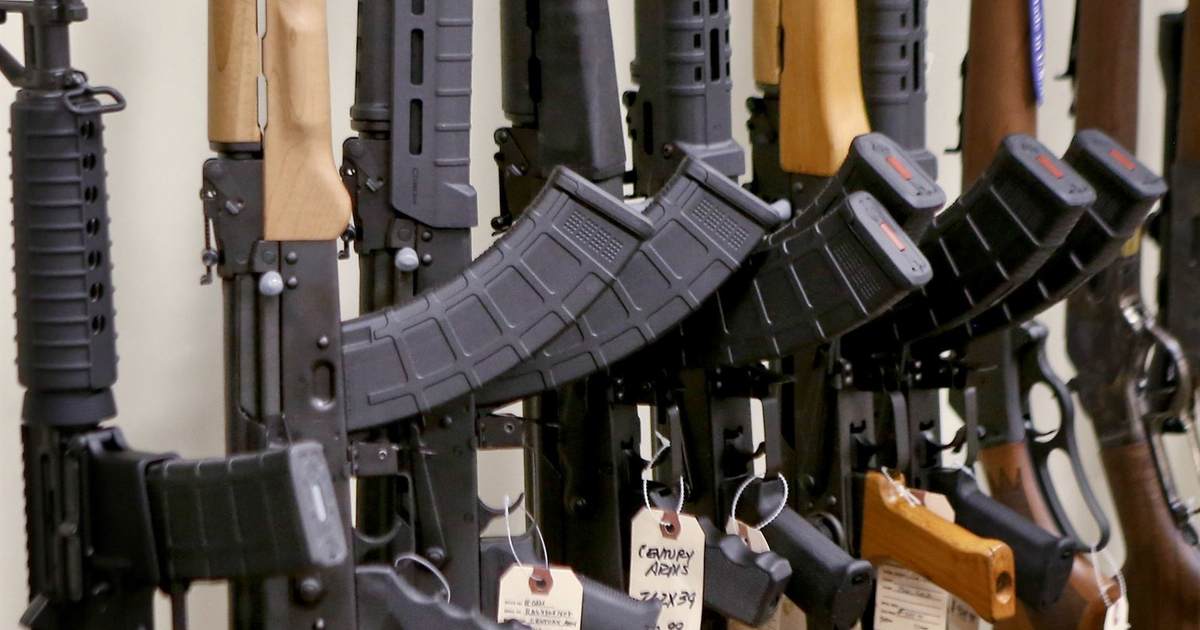
The Department of Justice Civil Rights Division moved to block enforcement of the Virgin Islands' assault weapon and high-capacity magazine ban in federal court. The action came within days of the Third Circuit Court of Appeals striking down New Jersey's nearly identical restrictions on semi-automatic rifles and magazines holding more than 10 rounds. The timing signals a coordinated federal response to state-level gun bans that courts have already found unconstitutional under the Second Amendment.
Key Details
- The Third Circuit recently invalidated New Jersey's semi-auto rifle ban and 10-round magazine limit, finding no historical basis for the restrictions.
- The Virgin Islands law mirrors New Jersey's language and structure, making it vulnerable to the same constitutional challenge.
- The DOJ's Civil Rights Division—not the ATF—filed the motion, indicating this is a core Second Amendment enforcement priority at the federal level.
- The Virgin Islands ban would prohibit ownership and possession of firearms the DOJ now argues violate core Second Amendment protections.
Why It Matters for Gun Owners
This development matters because it shows the DOJ is willing to challenge state bans before they take full effect. The Third Circuit's New Jersey ruling established that state legislatures cannot simply declare a firearm an "assault weapon" without historical precedent. The Virgin Islands now faces a federal lawsuit defending an unenforceable law. For gun owners in territories and states considering similar bans, this signals that broad categorical rifle bans face serious constitutional obstacles. The DOJ's proactive stance also suggests the federal government is no longer passive in Second Amendment cases—it's actively fighting restrictions it views as unconstitutional, a shift from previous administrations.
DownRange Analysis
The Virgin Islands case will likely fold quickly. A federal court has no reason to allow enforcement of a ban the Third Circuit has already declared unconstitutional in an adjacent jurisdiction. The real significance is institutional: the DOJ's Civil Rights Division recognizing that semi-automatic rifle bans fail Bruen scrutiny and acting on that conclusion. This isn't litigation strategy—it's policy enforcement. Gun owners should expect the federal government to challenge similar bans in Hawaii, California, and New York using identical reasoning. States will burn resources defending laws destined for reversal. The broader pattern is clear: post-Bruen, categorical "assault weapon" definitions are dead law walking.