Gun Control Lawyer Exposes Her Ignorance About Actual Shooting
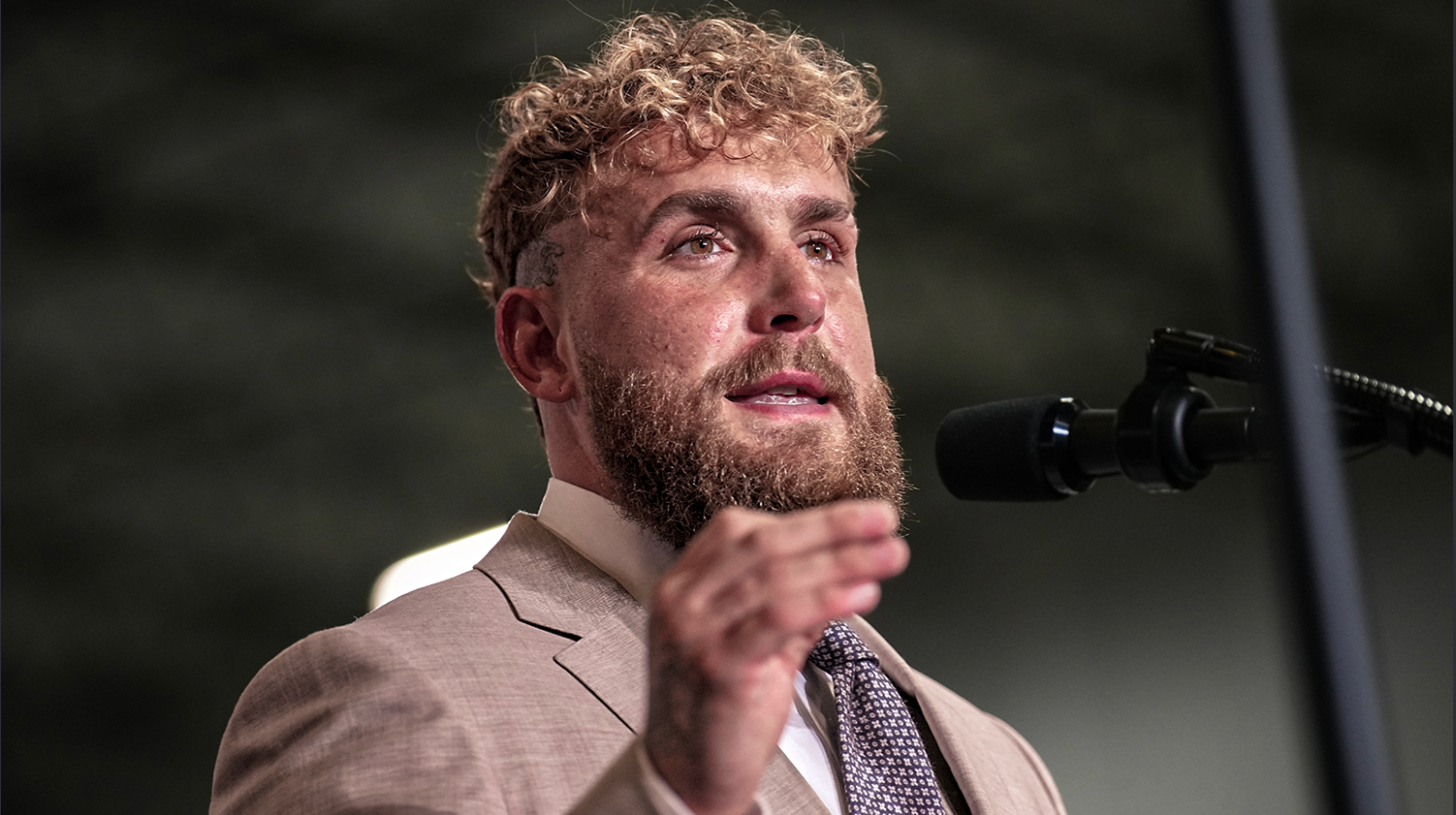
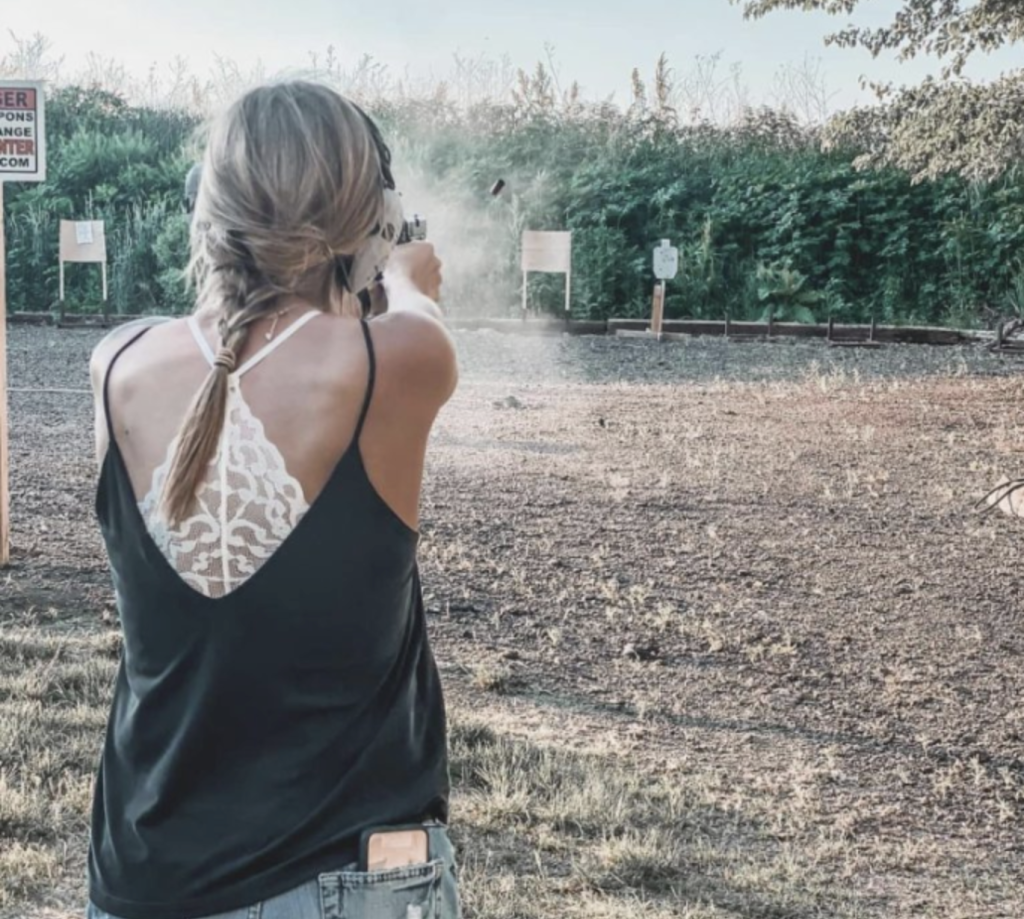
An attorney working for Everytown for Gun Safety recently demonstrated the knowledge gap that defines much of the gun control advocacy movement. The comments, made publicly, exposed a basic misunderstanding of shooting fundamentals—a pattern that extends across the anti-gun legal establishment shaping firearms restrictions nationwide. Most gun control advocates lack hands-on shooting experience, yet their organizations draft legislation affecting millions of gun owners.
Key Details
David Hogg's failed firearms credibility play illustrates this disconnect. The anti-gun activist briefly attempted to position himself as someone with shooting knowledge after taking firearm instruction, trying to distance himself from the "anti-gun" label. That effort collapsed when public interest waned, and Hogg abandoned the strategy. Even Hogg, who at least attended shooting instruction, likely knows more about firearms than most of his colleagues in the gun control establishment—a damning indictment of their collective expertise.
Why It Matters for Gun Owners
When organizations like Everytown write model legislation, testify before Congress, and advise state lawmakers, they do so from a position of technical ignorance. Gun owners face restrictions written by people who've never operated a safety selector, cleared a malfunction, or understood ballistic principles. This expertise gap matters directly: poorly drafted laws create unenforceable restrictions, unintended consequences, and litigation goldmines. State legislatures rely on these advocacy groups for technical language. When the language is written by people with no shooting experience, you get laws that criminalize common practices, misdefine firearm features, or create impossible compliance scenarios. Gun owners should demand their representatives seek testimony from actual shooting instructors, gunsmiths, and competitive shooters—not just lawyers who've never fired a round.
DownRange Analysis
The erosion of expertise in gun control advocacy is a structural weakness in their legal strategy. Bruen requires courts to examine historical tradition and originalist reasoning, both of which demand actual knowledge of how firearms function and are used. When plaintiffs' counsel understands shooting better than defense counsel, that imbalance shows in depositions, expert testimony, and briefs. Gun owners winning recent Second Amendment cases benefit partly because their lawyers know firearms. The anti-gun movement's reliance on activists and lawyers with no hands-on experience weakens their court arguments and legislative credibility. For gun owners, this means the technical advantage belongs to the rights side—use it. Support Second Amendment litigation funds staffed by people who actually shoot.