Nidal Hasan Faces Firing Squad for Fort Hood Mass Shooting
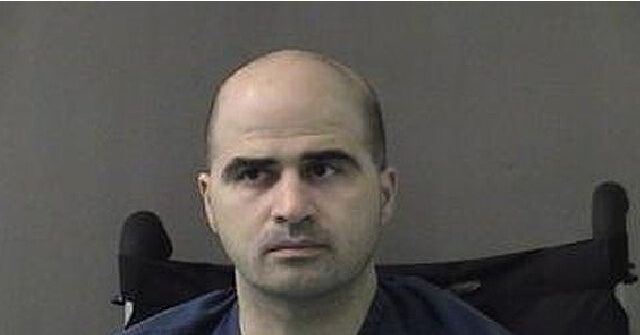
Nidal Hasan, convicted for the November 5, 2009 mass shooting at Fort Hood, Texas, has been ordered executed by firing squad. The attack killed 13 people and wounded dozens more. Hasan shouted Islamic phrases during the rampage. The military justice system confirmed the execution method, which remains a legal option under federal law for capital offenses prosecuted through military courts.
Key Details
The Attack: Hasan, a psychiatrist and Army major, opened fire at the Fort Hood Soldier Readiness Processing Center on November 5, 2009, killing 13 and wounding 31 others.
Conviction and Sentence: Military courts convicted Hasan and imposed the death penalty. Firing squad was selected as the execution method under federal military law.
Legal Status: Firing squad remains one of five lawful federal execution methods. The military maintains this authority for capital convictions in courts-martial.
Why It Matters for Gun Owners
This case reinforces that individual criminal acts—not firearm design or accessibility—drive mass violence. Hasan's attack occurred at a facility where most service members were not permitted to carry weapons, illustrating how gun-free zones concentrate victims and prevent armed response. The execution by firing squad also demonstrates that the Second Amendment framework and firearms law are separate from capital justice. Gun owners should recognize that anti-gun advocates often exploit mass shootings to push restriction agendas, while actual accountability comes through criminal prosecution, not bans on lawful civilian ownership. This case provides no basis for new restrictions on constitutional carry or civilian rifle ownership.
DownRange Analysis
The Fort Hood shooting occurred at a military installation with strict weapons restrictions. Had armed service members been permitted to carry sidearms in the processing center, response time and casualties would likely have been dramatically different. The execution order validates that accountability for mass violence comes through the criminal justice system, not through restricting the rights of 80+ million lawful gun owners. This distinction matters: gun owners must resist rhetorical linking of individual criminal acts to policy arguments for civilian disarmament. The military's use of firing squad also reflects that firearms themselves remain neutral tools—their lawfulness depends entirely on context and the operator's intent.