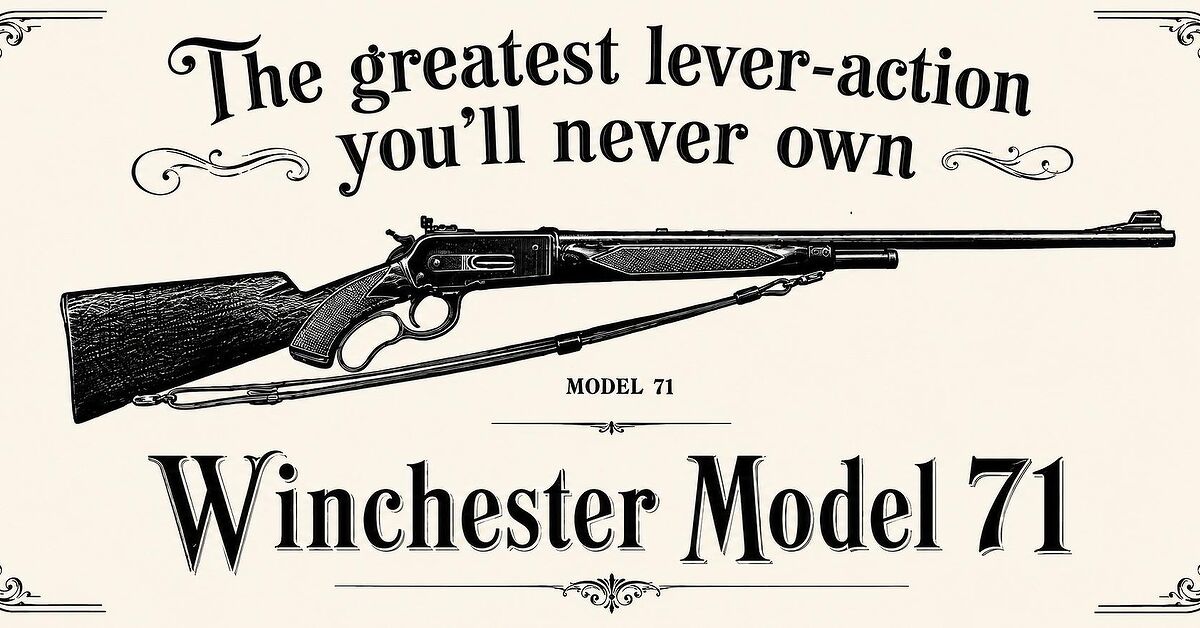
Winchester's 1964 Purge: How Bad Decisions Killed the Lever Gun Era
Winchester's decision to gut its product lineup in 1964 triggered outrage among gun owners and industry writers. The move felt sudden. It wasn't. The company had spent decades making strategic errors that made the collapse predictable to anyone paying attention to balance sheets and market trends. Bad business doesn't happen overnight—it compounds.
Key Details
Winchester eliminated entire categories from its catalog in 1964, removing rifles that defined American hunting and sport shooting. Gun writers and buyers reacted with shock and anger at the losses. However, the company's trajectory had been deteriorating for years before the 1964 announcement. Winchester had already abandoned several product lines and made inconsistent decisions about which rifles to keep in production, signaling management confusion about market demand and profitability.
Why It Matters for Gun Owners
The 1964 purge marked the beginning of the end for Winchester as a dominant rifle manufacturer. Lever guns—particularly models that Winchester discontinued—went from everyday tools to collector pieces. Gun owners lost access to affordable, reliable firearms they depended on. The company's failure to maintain focus on its core strengths handed market share to competitors like Marlin and Savage. For collectors today, Winchester lever guns from the pre-1964 era command premiums because Winchester stopped making them. The lesson: when a major manufacturer signals weakness through inconsistent product strategy, its classic designs become scarce and expensive. Shooters who wanted Winchester lever guns after 1964 faced limited options and higher prices.
DownRange Analysis
Winchester's decline wasn't a single bad decision—it was death by a thousand poor choices. Management failed to recognize what customers valued, continued producing unprofitable models while killing winners, and lost pricing power as competition tightened. The 1964 purge wasn't the cause of Winchester's problems; it was the symptom. Once a manufacturer loses focus on market realities and customer demand, recovery becomes nearly impossible. Modern gun makers watch this history carefully. Winchester's mistakes—ignoring market signals, inconsistent product strategy, poor cost management—remain the template for how not to run a firearms company. For today's shooters, the Winchester 1964 lesson is simple: when manufacturers stumble, buy what matters to you now. Scarcity and price premiums follow.