Gun Groups Push Sixth Circuit to Kill NFA SBR Registration Rules
A coalition of gun-rights organizations has filed an amicus brief with the Sixth Circuit Court of Appeals demanding the court invalidate NFA registration requirements for short-barreled rifles. The groups argue federal law restricting SBRs violates the Second Amendment under the framework established by recent Supreme Court precedent. The brief targets the 1934 National Firearms Act provision that classifies barrels under 16 inches as regulated firearms requiring federal registration, a $200 tax stamp, and months of processing delays.
Key Details
- Multiple gun-rights organizations coordinated the amicus filing to challenge SBR registration at the appellate level
- The case reaches the Sixth Circuit, which covers Tennessee, Kentucky, Ohio, and Michigan—states with varying gun laws
- The challenge relies on post-Bruen constitutional analysis to argue SBR restrictions lack historical grounding in founding-era firearms law
- NFA registration for SBRs has operated since 1934, creating a 92-year precedent the brief directly confronts
Why It Matters for Gun Owners
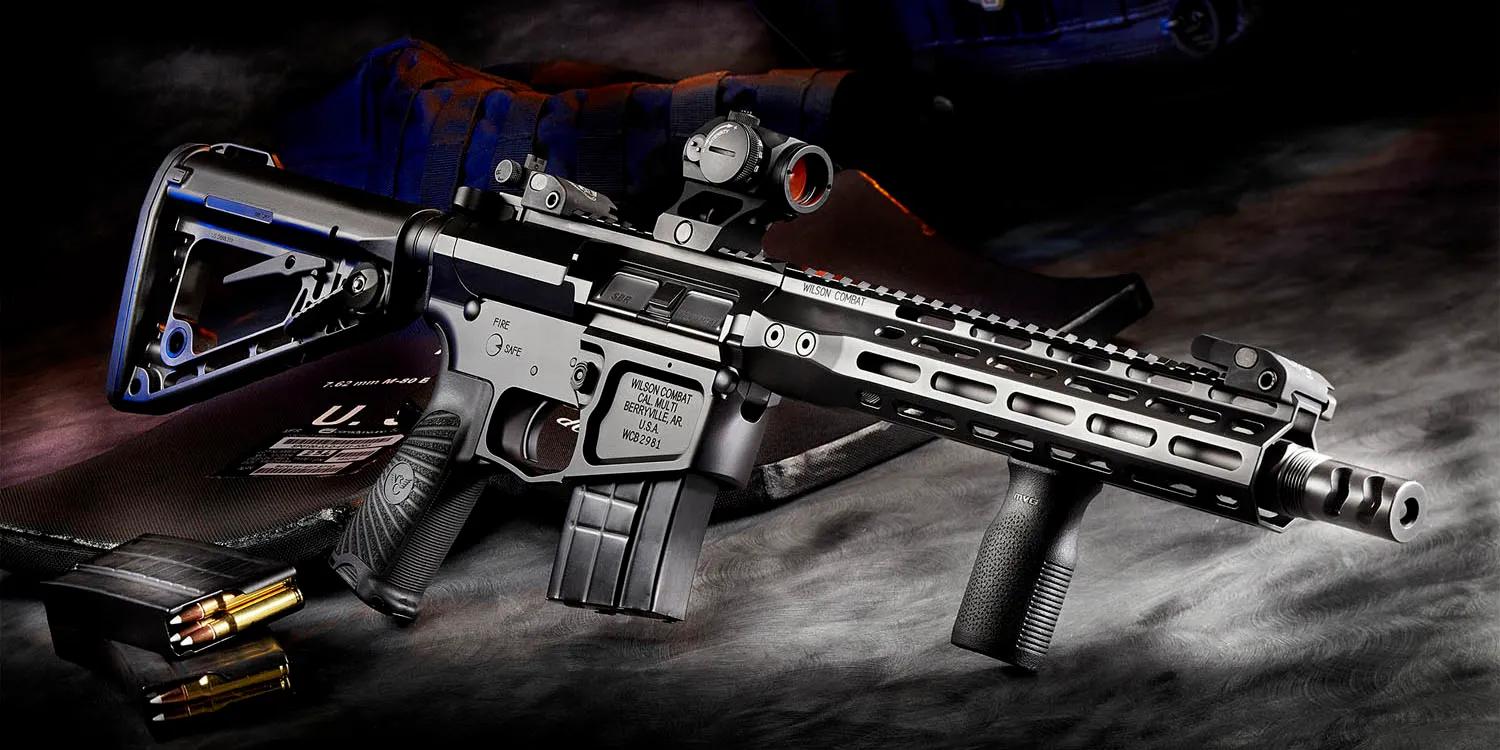
SBR restrictions affect millions of gun owners across the country. AR-15 pistol braces, short-barreled uppers, and factory SBRs face legal classification as NFA weapons—meaning you cannot legally possess them without federal registration, a $200 tax, fingerprints, and a months-long approval process. If the Sixth Circuit accepts this argument, SBR owners in its jurisdiction could immediately challenge local prosecutions. More importantly, a Sixth Circuit win would create circuit split pressure on the Supreme Court, forcing reconsideration of whether a 92-year-old tax scheme survives Bruen's text-and-history test. For competitive shooters, home defenders, and anyone running a short-barreled rifle setup, this brief signals coordinated legal strategy to eliminate registration requirements altogether—not just challenge specific applications.
DownRange Analysis
The timing matters. Bruen stripped away decades of means-end scrutiny and forced courts to ask: what did the Founding Fathers allow? SBRs didn't exist in 1791, so the historical record becomes dispositive. Gun groups are betting this weakness kills the entire regulatory scheme. Success here doesn't immediately free SBRs—it forces the government to prove SBR bans have historical antecedent, a burden the ATF cannot meet. Expect the government to argue militia necessity and public safety, but Bruen rejected those arguments for modern firearms. The real risk: Sixth Circuit splits 2-1, or affirms on narrow grounds, keeping the issue alive for years. Gun owners should monitor this case closely; a win here cascades to other circuits and pressures the Supreme Court's 2027 docket.