M855A1 Steel Core Forced AR Magazine Redesign
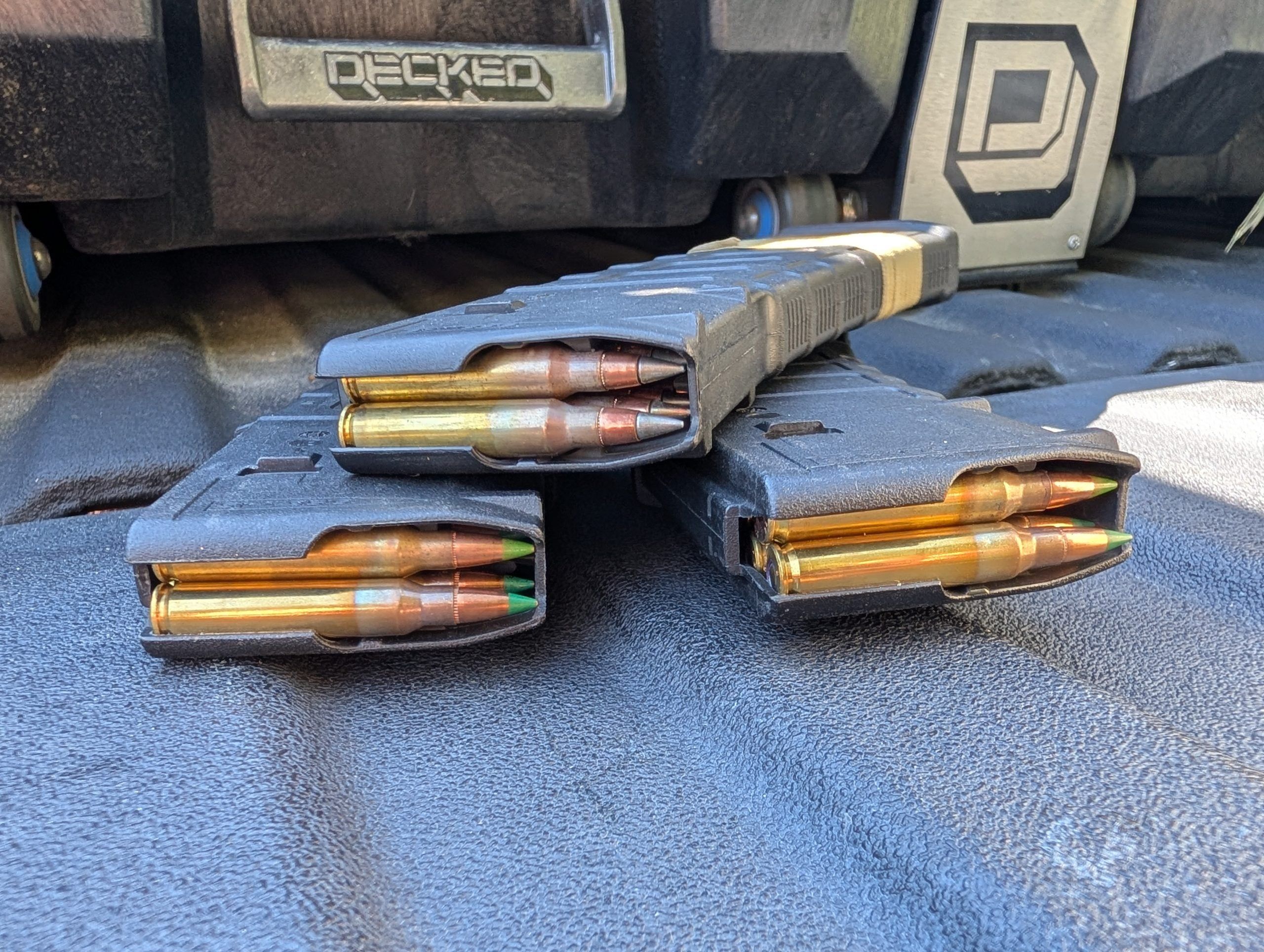
The U.S. military's adoption of M855A1 ammunition created an engineering problem that magazines had to solve. The round's exposed steel penetrator — designed to defeat body armor — presented a feeding challenge that standard M4 and M16 magazine geometry couldn't reliably handle. Magazine manufacturers responded by adjusting presentation angle and internal dimensions to ensure consistent feeding of the harder, sharper-tipped round.
Key Details
M855A1 specifications: The round features a hardened steel penetrator core instead of the lead-filled construction of earlier 5.56 NATO loads. This steel tip creates higher wear on feed ramps and requires precise magazine geometry to feed reliably.
The magazine solution: Manufacturers adjusted follower geometry and feed lip angles to present the round correctly to the bolt carrier. Changes focus on how ammunition sits in the magazine stack and the angle at which rounds are presented to the chamber.
Backward compatibility: Older magazine designs still function with M855A1, but reliability improves with updated geometry specifically engineered for the harder penetrator core.
Why It Matters for Gun Owners
If you run an AR-15 and feed military surplus or commercial 5.56 NATO loads with steel cores, your magazine design affects reliability. Older aluminum magazines from the 1990s and early 2000s may show increased wear or occasional feed failures with M855A1-pattern ammunition compared to newer designs. This matters for competition shooters, hunters who reload, and anyone stocking bulk 5.56 for defensive use. The good news: modern magazine manufacturers build for this standard now. If your magazines were made in the last five years, feed reliability should be solid. Check your magazine dates and consider replacing anything older than 2015 if you're running steel-core or hardened-penetrator loads regularly.
DownRange Analysis
This is engineering following function, not regulation crushing innovation. The military's ammunition choice forced a practical fix, and the market responded without government mandates or court battles. Magazines adapted because they had to work, not because someone banned older models. For AR owners, the lesson is clear: magazine quality matters more now than in the 1980s. A $2 magazine and a $15 magazine both feed standard loads, but steel-core ammunition exposes the difference fast. Buy mid-range magazines from established manufacturers—not the cheapest option. Your reliability depends on it.