Federal Judge Orders $1.7 Million Defamation Payout to Hunter Biden
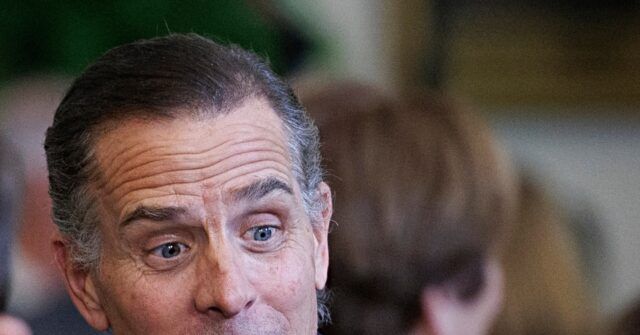
A federal court in California has ruled that Patrick Byrne, former CEO of Overstock.com, must pay $1.7 million in punitive damages to Hunter Biden for defamation. Byrne publicly accused Biden of accepting bribes. The court found those statements false and actionable under defamation law. The judgment closed a lawsuit that drew significant political and media attention.
The case centered on Byrne's public claims that Biden engaged in criminal bribery. Byrne, a vocal Trump supporter, made these accusations across multiple platforms. The federal judge determined the statements were demonstrably false and caused measurable harm to Biden's reputation. The $1.7 million award reflects punitive damages intended to deter similar conduct.
Why It Matters for Gun Owners
This ruling sits outside firearms law directly, but it signals how federal courts now handle speech cases involving political figures. Gun owners should monitor defamation precedent—it shapes how courts balance First Amendment protections against liability for false statements.
In increasingly polarized times, the threshold for actionable defamation affects how aggressively advocates, media outlets, and public figures can claim misconduct without facing legal consequences. Courts are now willing to impose massive financial penalties for unsubstantiated accusations. This trend has real implications for Second Amendment debates conducted online, in print, and across social media.
For gun rights organizations, media outlets, and individual advocates, the message is clear: accusations require factual support. Claims about political figures, government officials, or opponents carry legal exposure. A defamation judgment can bankrupt smaller nonprofits or independent writers. The Byrne case demonstrates that courts expect public speakers to verify statements before publication.
Defamation Standards and Public Figures
Public figures like Hunter Biden face a higher legal standard for defamation claims under the Sullivan standard. They must prove not only that statements were false, but that speakers knew they were false or acted with reckless disregard for truth. Byrne failed to meet that standard's burden.
The court examined Byrne's sources and found them inadequate. He made bribery accusations without credible evidence. No conviction existed. No indictment existed. No verified documentation of bribery emerged. Byrne relied on speculation, innuendo, and unconfirmed reports. The judge ruled this fell below acceptable speech standards, even for criticism of public figures.
This precedent affects how Second Amendment advocates discuss government officials, anti-gun politicians, and policy opponents. Claims about corruption, misconduct, or criminal activity require documentation. Social media posts, op-eds, and fundraising materials must distinguish between opinion and factual assertion. Gun rights groups marketing memberships through accusations about anti-gun politicians now face increased legal risk if those accusations lack factual foundation.
DownRange Bottom Line
Gun owners operate in a legal environment where court-imposed speech penalties are rising. Byrne's $1.7 million judgment is not an outlier—it reflects a trend of courts holding public speakers financially accountable for false statements.
For Second Amendment advocates, the practical implication is straightforward: verify before you publish. Whether running a nonprofit, writing op-eds, or managing social media accounts, attribution matters. Sources matter. Documentation matters. The cost of getting it wrong has escalated dramatically.
This case won't silence legitimate criticism of anti-gun politicians or policies. But it reinforces that speech claiming criminal conduct requires evidence. Gun owners and advocates should understand this boundary. Operating within it protects organizational finances and individual legal exposure.