Gang Extortionist Claims He Didn't Know Associate Had Gun
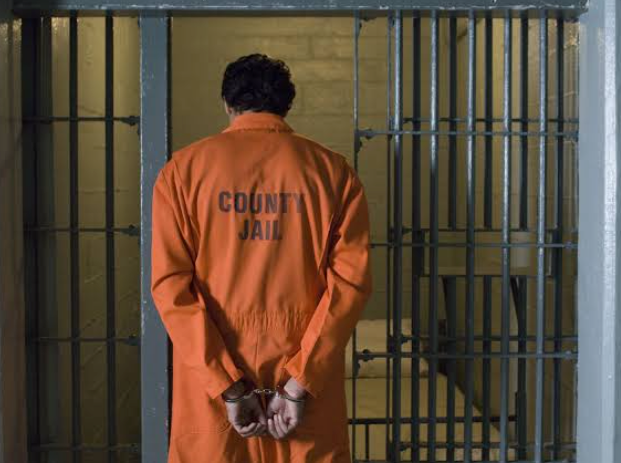
A defendant facing Immigration and Refugee Board proceedings claimed ignorance of a visiting associate's firearm during testimony. The man, alleged to be part of an extortion operation spanning multiple Canadian provinces, denied knowledge that his guest possessed a weapon later connected to shooting incidents. His defense hinged on portraying himself as an unwitting bystander rather than an active participant in the criminal enterprise.
Key Details
- Defendant testified a visiting friend carried undisclosed firearm
- The weapon was later linked to multiple shooting incidents
- Man is alleged member of cross-Canada extortion network
- He attempted to claim victim status during proceedings despite gang affiliation
Why It Matters for Gun Owners
This case highlights how criminals use plausible deniability when firearms appear at crime scenes. For lawful carry permit holders, it underscores why gun owners must control their environment—knowing who's in your space matters legally and practically. The case also shows how prosecutors connect firearms to criminal networks through ballistics and investigation. Canadian gun owners operate under restrictive handgun registration and storage laws that don't prevent criminals from concealing weapons or claiming ignorance. This case proves restrictions affect legal owners far more than those committing extortion and shooting offenses.
DownRange Analysis
The defense strategy—"I didn't know"—rarely works when you're part of an organized criminal enterprise. Courts expect gang members to know what's happening in their operations. This case illustrates a critical gap: Canada's extensive firearm regulations target legal owners while criminals operate with impunity and claim ignorance when caught. The firearm tracing connected the weapon to crimes, but the defendant's gang status already made him a known quantity. For American carry holders, the lesson is sharper: know your associates, document your whereabouts, and never claim you're unaware of weapons in spaces you control. Criminal liability follows actual knowledge or willful blindness—courts don't buy ignorance from people embedded in criminal networks.