Brooklyn's Iron Pipeline supplied handguns while state law banned legal ownership
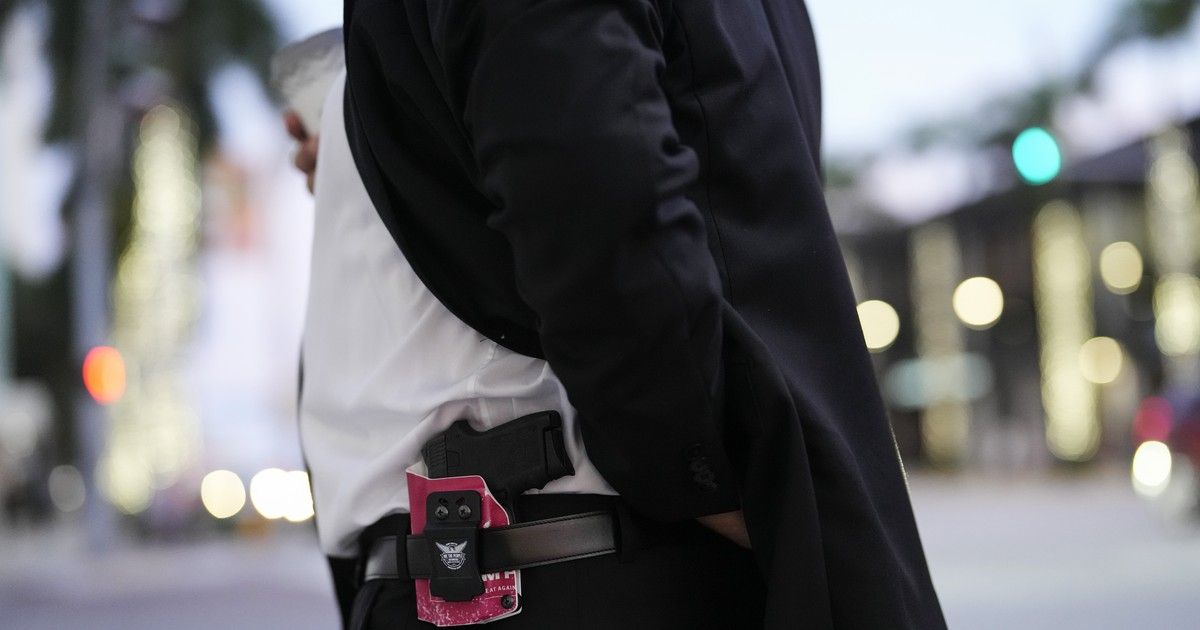
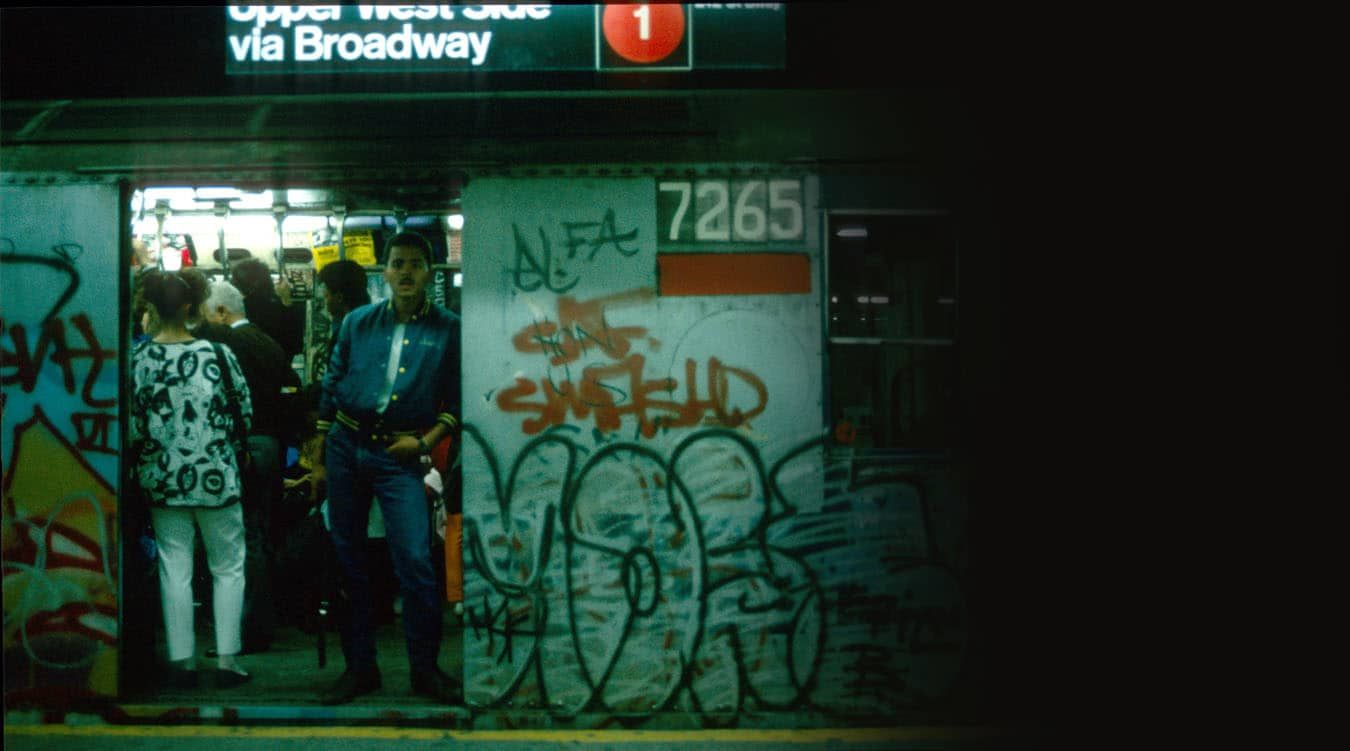
New York's handgun licensing system in the early 1980s created a black market instead of safety. A Brooklyn resident seeking his first handgun turned to illegal traffickers rather than navigate the state's near-total civilian ban on handgun possession. The Iron Pipeline operated openly, moving firearms across state lines into New York City streets—proof that restrictive laws eliminate legal gun ownership without eliminating gun ownership itself.
New York required handgun licenses for both purchase and carry, with the NYPD maintaining a licensing process designed to discourage applications. Applicants faced delays, discretionary denials, and prohibitive costs. The legal pathway was intentionally difficult. The illegal pathway worked.
Why It Matters for Gun Owners
The Iron Pipeline case exposes a hard reality gun owners in restrictive states know well: strict laws do not eliminate firearms from communities—they eliminate legal firearms and hand the market entirely to traffickers. New York residents wanting guns faced two paths: attempt the bureaucratic gauntlet with no guarantee of approval, or buy illegally from suppliers who had no waiting periods and no denials.
This dynamic continues today across California, New York, Massachusetts, and other restrictive states. People still own firearms. They simply own them illegally. Restrictive licensing doesn't create safer streets; it creates criminal supply chains and transfers market control to people without legal accountability. The Pipeline thrived for decades because demand existed and legal supply was artificially constrained—not because law enforcement couldn't stop it.
For daily carriers in may-issue or shall-issue jurisdictions, the lesson is direct: licensing systems designed to discourage ownership through discretion and cost don't reduce gun ownership in urban areas. They move it underground. They create conditions where first-time gun buyers can't trust their government to approve their application, so they trust traffickers instead.
Background: How the Iron Pipeline Worked
The Iron Pipeline operated by moving firearms from states with fewer restrictions into states with strict bans. Traffickers purchased handguns legally in states like Virginia, Georgia, and the Carolinas—often in high volumes from licensed dealers—then resold them illegally in New York City. The price markup covered the risk. The demand was reliable.
New York's 1980s licensing system created that demand. The state didn't ban guns; it banned legal gun ownership by making approval nearly impossible. The restriction worked exactly as designed: fewer legal gun owners. But it didn't work as promised: it didn't reduce street-level firearms. Instead, it guaranteed those firearms came from criminal sources without background checks, serial number tracking, or any legal accountability.
The Brooklyn resident in this account represents thousands of New York residents who made a rational choice: when the legal system makes ownership prohibitively difficult, illegal supply becomes the only viable option.
DownRange Bottom Line
Restrictive gun laws create black markets. They don't create gun-free zones. New York's handgun licensing system in the 1980s proved this. The Iron Pipeline existed because there was money in meeting demand that the state artificially restricted. Gun owners who want to carry legally in restrictive jurisdictions face a choice the Brooklyn resident faced decades ago: fight the licensing system hoping for approval, or abandon the legal pathway.
The real issue isn't whether guns will exist in cities. The issue is whether they'll exist legally or illegally. New York chose illegal. That choice continues today.