Federal Judge Denies Injunction Against Maryland's Glock Ban
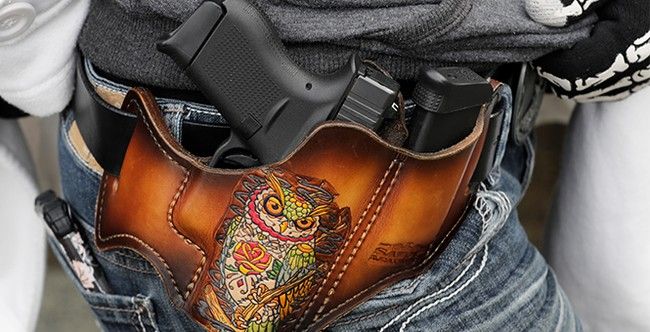
A federal judge rejected a motion to temporarily halt Maryland's Glock ban, allowing the state law to move forward despite active litigation challenging its constitutionality. Gun rights organizations sought an emergency injunction to prevent enforcement while their lawsuit proceeds. The judge's denial removes that procedural barrier, meaning Maryland can now enforce the law against dealers and owners.
Key Details
- Maryland has enacted legislation specifically targeting Glock handguns
- Gun rights groups filed suit and requested a preliminary injunction to halt enforcement
- The federal court denied the injunction request, allowing the law to take effect
- Litigation challenging the ban's constitutionality will continue through the court system
Why It Matters for Gun Owners
This ruling has immediate practical consequences for Maryland residents and Glock owners in the state. With the injunction denied, the law can be enforced starting now—meaning dealers face liability for sales, and current owners operate in legal gray territory depending on the law's grandfather clause provisions. For gun owners outside Maryland, this sets a dangerous precedent: if a single-model ban clears initial judicial scrutiny, other states will copy it. The fact that a federal judge allowed this to proceed suggests the Second Amendment protections established in New York State Rifle & Pistol Association v. Bruen may not shield specific firearm models as effectively as many hoped.
DownRange Analysis
The judge's decision to deny the injunction doesn't mean the underlying ban will ultimately survive constitutional challenge—it simply means Maryland gets to enforce it while the case proceeds. That's a significant tactical win for anti-gun states: they can implement restrictions, build enforcement infrastructure, and collect compliance data before appellate courts weigh in. For gun owners, this reinforces an uncomfortable reality: Bruen hasn't stopped model-specific bans at the trial court level. If this ban stands on appeal, expect copycat legislation in California, New York, and Illinois targeting AR platforms and other common firearms. The real fight happens in appellate court, and that timeline measured in years, not months.