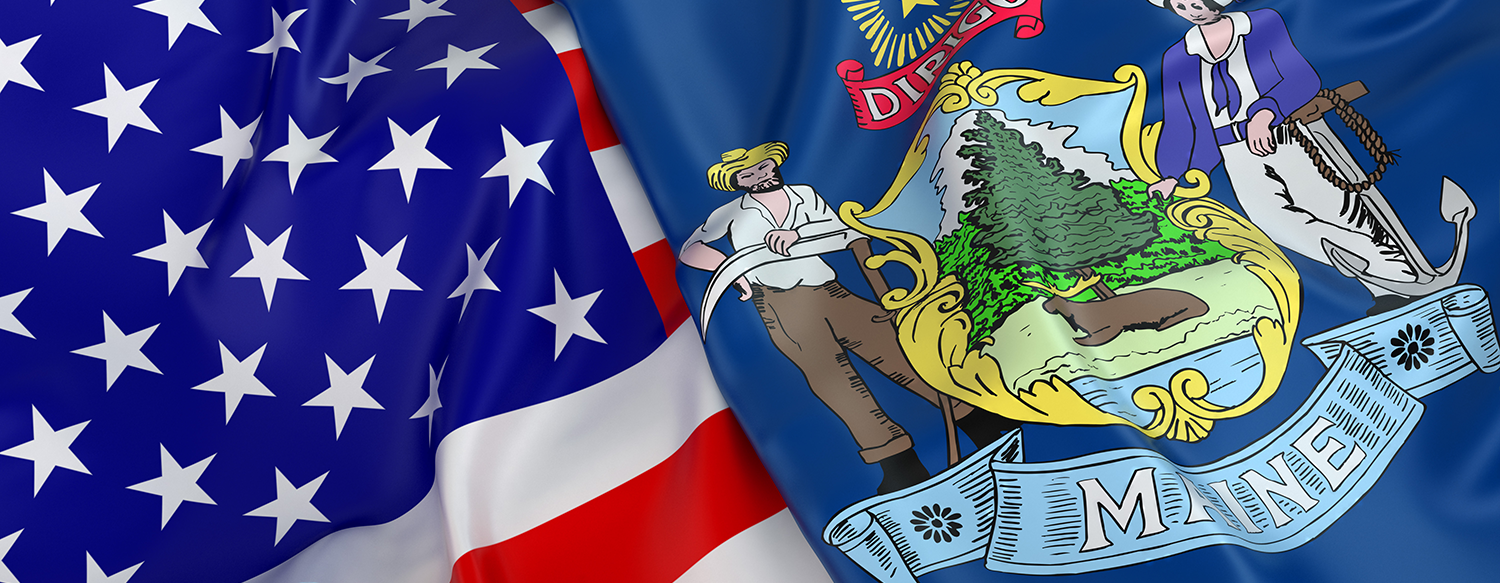
NRA Files Notice of Suit Against Maine Over Wildlife Funding
The NRA, Sportsman's Alliance of Maine, and Safari Club International have officially notified Maine they intend to file suit against the state over alleged constitutional violations in how Fish and Wildlife funding is calculated. The organizations claim Maine has failed to maintain protected base appropriations for the state's fish and wildlife agency, breaching state constitutional requirements. The notice triggers a formal pre-litigation period before legal action begins.
Key Details
- Plaintiffs: NRA, Sportsman's Alliance of Maine, and Safari Club International suing on behalf of their members
- Target: State of Maine Fish and Wildlife Department funding mechanism
- Claim: State constitutional violation—inadequate base appropriations for protected wildlife programs
- Status: Notice of intent filed; formal lawsuit anticipated unless Maine corrects the funding deficiency
Why It Matters for Gun Owners
Wildlife funding directly affects hunting access and habitat management across Maine. When base appropriations shrink, conservation programs collapse—fewer staff to manage public hunting lands, less habitat restoration, reduced wildlife populations. For Maine hunters and gun owners, that means fewer places to hunt and fewer animals to pursue. The case also signals how 2A organizations are expanding strategy beyond gun rights into adjacent Second Amendment infrastructure: maintaining the hunting traditions and wildlife management systems that depend on it. If Maine's constitution legally requires certain funding levels for Fish and Wildlife and the state ignores that requirement, sportsmen have grounds to force compliance. This case establishes precedent that constitutional funding obligations matter—and can be enforced in court.
DownRange Analysis
Maine's constitutional structure apparently mandates specific Fish and Wildlife funding levels, yet the state has cut or failed to maintain those appropriations. The NRA's approach here is legally sound: force the state to live within its own constitution rather than wait for legislative goodwill. Success would guarantee stable funding for habitat, wildlife management, and hunter access—the foundation modern hunting depends on. Expect Maine to either restore funding voluntarily or face litigation costs that dwarf the budget gap. The strategy reflects broader 2A coalition-building: protecting hunting access, wildlife populations, and conservation funding as fundamental to Second Amendment culture. Gun owners in other states should watch this case—many state constitutions contain similar language on wildlife funding that legislators routinely ignore.