Nebraska Candidate Demands Five-Year Mental Evals for AR-15 Owners
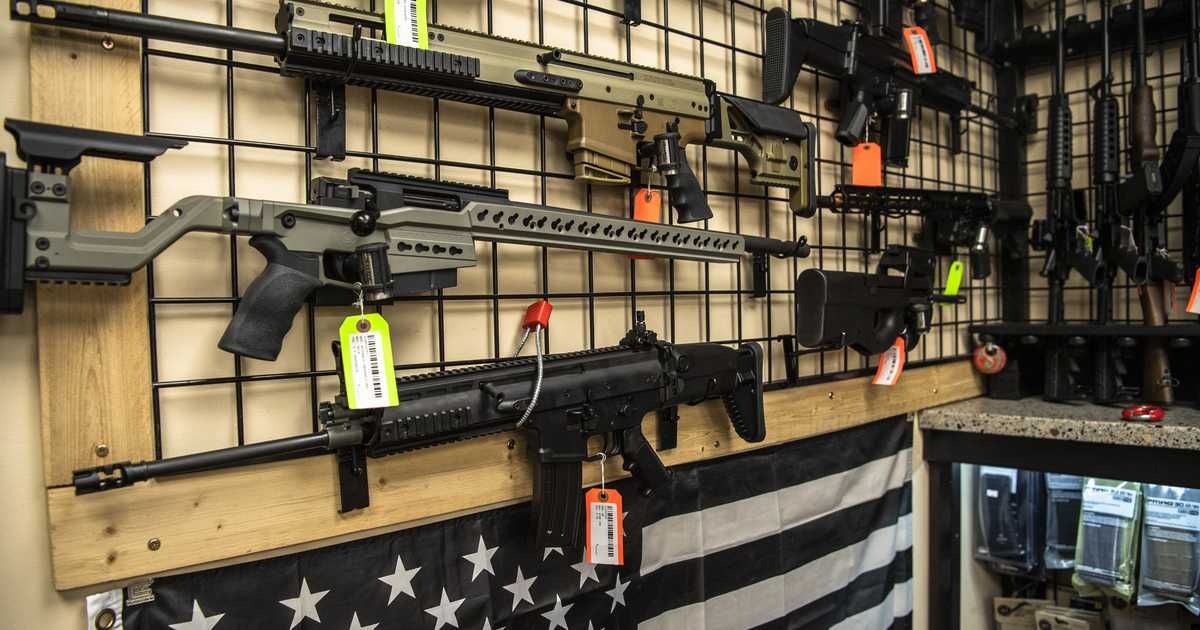
A Nebraska U.S. Senate candidate has proposed requiring AR-15 owners to pass mental health evaluations every five years as a condition of firearm ownership. The proposal singles out one specific rifle platform rather than addressing firearms broadly, creating a recurring examination requirement tied to psychological fitness determinations made outside the criminal justice system.
Key Details
Recurring requirement: Mental evaluations mandated every five years, not a one-time background check.
Platform-specific: The proposal targets AR-15s exclusively, not all semi-automatic rifles or centerfire platforms.
Enforcement mechanism: Failure to pass exams within the five-year window would apparently result in loss of ownership rights.
Why It Matters for Gun Owners
This proposal establishes a dangerous precedent: making constitutional rights conditional on recurring psychological evaluations conducted by state-selected providers creates a tool for indirect confiscation. A gun owner could lose their AR-15 not through conviction, but through a mental health determination that carries no criminal due process protections. The five-year cycle means continuous compliance costs and exposure to changing diagnostic standards. Nebraska residents should recognize this framework could expand to other platforms. Shooters in states watching these proposals must understand that psychological licensing schemes conflict directly with District of Columbia v. Heller, which rejected prerequisites that burden the right itself.
DownRange Analysis
This proposal won't survive a Bruen challenge if it reaches federal court. Heller explicitly rejected licensing schemes that make the right contingent on government approval. Platform-specific targeting adds equal protection problems—there's no historical precedent for conditioning AR-15 ownership on recurring mental exams while leaving other rifles untouched. The real danger isn't this particular candidate's chances; it's the normalization of psychological gatekeeping for gun rights. Even failed proposals shape the conversation. Gun owners in Nebraska should treat this as a warning sign: contact your representatives now, support primary challengers who reject this framing, and document the proposal for future litigation if it gains traction.