Supreme Court Brief Argues AR-15 Militia Use Guarantees Constitutional Protection
A new Supreme Court brief flips the anti-gun argument on its head. The AR-15's suitability for militia service is exactly why the Second Amendment protects it—not a reason to restrict it.
This filing directly counters decades of gun control rhetoric. Opponents have long claimed the AR-15's military-style capabilities make it dangerous and unworthy of protection. The brief reverses that logic entirely. The Framers designed the Second Amendment specifically to protect weapons useful for militia service. The AR-15 fits that purpose. Therefore, it deserves full constitutional coverage.
The argument matters because courts have struggled with what "militia" means post-Heller. This brief provides clear legal footing. It argues the militia clause isn't separate from individual rights—it's the reason those rights exist.
Why It Matters for Gun Owners
This brief could reshape how judges evaluate firearm regulations. If courts accept that militia-suitable weapons get maximum protection, bans on semi-automatic rifles face serious constitutional problems.
Gun owners have heard the militia argument used against them for years. "You don't need an AR-15. It's not a hunting rifle." This brief weaponizes that same argument in our favor. It says: exactly—it's a militia weapon, which is precisely why the Second Amendment covers it.
The timing matters. Multiple federal courts are currently reviewing AR-15 bans in California, New York, and other states. A Supreme Court brief carrying this argument could influence lower court judges who are uncertain about the law post-New York State Rifle & Pistol Association v. Bruen (2022).
Daily carriers know the AR-15 fills a legitimate defensive role. This brief gives that practical reality legal weight. It argues the rifle's military heritage is a feature, not a bug.
Additionally, the brief may affect future challenges to magazine capacity limits and semi-automatic rifle classifications. If militia suitability is the test, restrictions on standard-capacity mags and common AR configurations become harder to justify.
Background
The Second Amendment states: "A well regulated Militia, being necessary to the security of a free State, the right of the people to keep and bear Arms, shall not be infringed."
Anti-gun advocates have argued the militia clause limits the right to bear arms only to militia members. Courts rejected this reading in DC v. Heller (2008), which affirmed an individual right to keep firearms for lawful purposes like self-defense.
The Bruen decision (2022) shifted the framework again. Courts must now ask whether regulations align with historical tradition. This new brief argues that historical tradition explicitly protects militia-capable weapons.
The brief cites the Framers' intent. They wrote the Second Amendment specifically to ensure citizens could own weapons useful for militia service. This wasn't accidental language. The militia clause appears in the amendment because militia service is the purpose it's meant to serve.
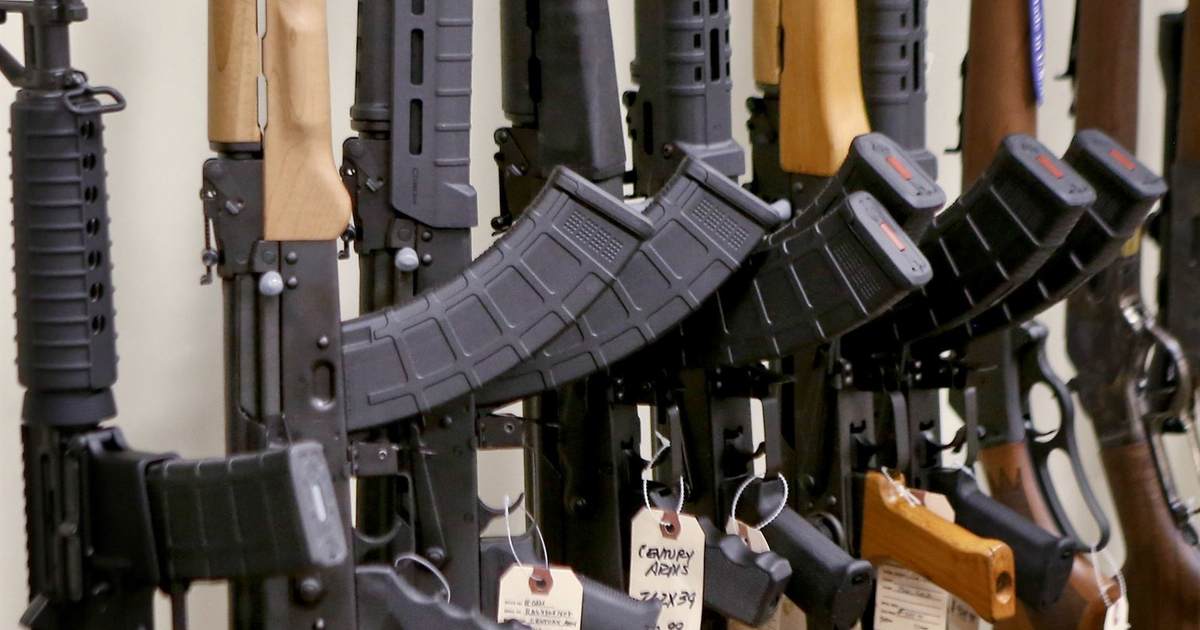
The AR-15 is the most common semi-automatic rifle in America. Over 20 million are in civilian hands. It's modular, reliable, and effective. These same traits make it suitable for militia use—which is exactly the protection the Second Amendment guarantees.
DownRange Bottom Line
This brief reframes the entire debate. Gun owners don't have to apologize for owning militia-capable weapons. The Constitution says we can.
Lower courts will likely take notice. Judges trying to apply Bruen need clear guidance on what counts as protected arms. A Supreme Court brief arguing militia suitability is the standard provides that clarity.
Expect this argument in upcoming AR-15 ban cases. It's solid constitutionally and politically powerful. It turns the gun control lobby's own language into a reason to protect your rifle.