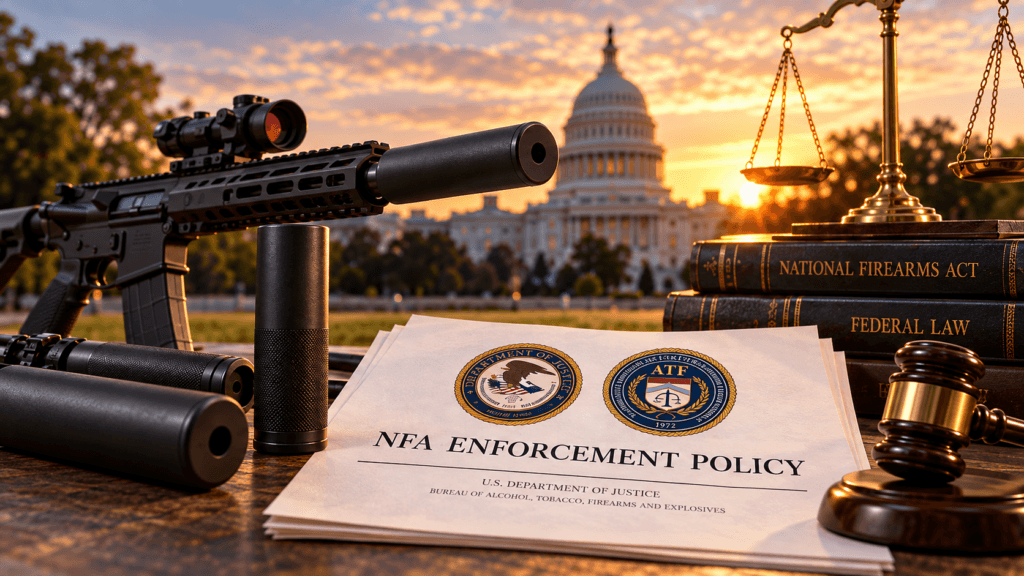
NRA Files Comments on ATF's Regulatory Overhaul Initiative
The National Rifle Association submitted formal comments to the Bureau of Alcohol, Tobacco, Firearms and Explosives during the agency's public comment period on regulatory reforms. The filing marks the NRA's official entry into the rulemaking process and establishes the organization's position before the ATF finalizes new guidance on firearms regulations. This early submission strategy creates a documented record that could prove critical in future legal challenges.
The ATF initiated a review of its existing regulatory framework and guidance documents. Gun owners and advocacy groups have a defined window to submit public comments before final rules take effect. The NRA's participation signals active opposition to potential unfavorable regulatory interpretations rather than passive acceptance of agency positions.
Why It Matters for Gun Owners
Public comment periods directly shape federal regulatory outcomes. Documented opposition from major organizations creates legal records useful in future litigation against the agency. For gun owners, ATF final rules determine which accessories require licensing, how Form 4473 questions get interpreted at gun counters, and which manufacturing definitions trigger federal restrictions.
Individual gun owners rarely file comments during open periods, leaving the field to advocacy groups. Your right to submit comments exists—most shooters simply don't exercise it. The gap between what gun owners want and what ATF implements often reflects this participation deficit.
The regulatory review could affect licensing requirements, industry standards, enforcement priorities, and dealer compliance procedures. Rules issued without documented opposition face fewer legal vulnerabilities. Comments submitted now become part of the official agency record if gun rights groups later challenge rules in federal court.
Smaller advocacy organizations and individual gun owners should monitor the Federal Register for remaining comment deadlines. Submitting a substantive comment takes hours, not days. Your specific experience with current ATF rules carries weight in formal proceedings.
Background on ATF Regulatory Authority
The ATF operates under broad congressional authority to regulate firearms commerce and manufacturing. The agency issues interpretive guidance that carries significant practical weight at gun shops and ranges, even when not formally codified as regulations. Courts have increasingly scrutinized ATF guidance documents, particularly after the 2022 New York State Rifle & Pistol Association v. Bruen decision established stricter constitutional standards for firearms restrictions.
The current regulatory review represents an attempt by the ATF to clarify and potentially revise its existing position statements. Some guidance documents have conflicted with each other or lacked clear legal foundation under Bruen. The NRA's comments likely challenge specific interpretations it views as unconstitutional or overreaching.
Previous ATF rulings on ghost guns, pistol braces, and ammunition classification have been challenged in court. Documented public opposition strengthens litigation arguments that the agency ignored public input or constitutional concerns. The comment period allows interested parties to create this record before final rules drop.
DownRange Bottom Line
The NRA's filing indicates major advocacy groups are actively monitoring ATF regulatory moves. This early participation strategy establishes positions before the agency drafts final language. Gun owners should recognize that comment periods represent real opportunities to influence federal firearms policy—opportunities most shooters never use.
If you hold strong positions on specific ATF rules or guidance, submit comments during open periods. Monitor the Federal Register and major gun rights organizations for deadline announcements. Your documented opposition becomes part of the official record and strengthens future legal challenges if bad rules get issued.
Federal firearms regulations affect daily carry decisions, equipment choices, and dealer interactions. Regulatory review periods create legitimate opportunities for gun owners to push back against agency overreach. The NRA's involvement matters, but your voice matters too when you choose to use it.