NSSF Launches Dual Challenge to Virginia Gun Restrictions
The National Shooting Sports Foundation is bankrolling a standalone lawsuit against Virginia's newly enacted assault weapon ban and firearm industry liability law. The challenge represents a coordinated legal strategy to attack both the state's weapons restrictions and its manufacturer liability framework on separate grounds, giving gun owners and the industry multiple avenues to block enforcement.
Key Details
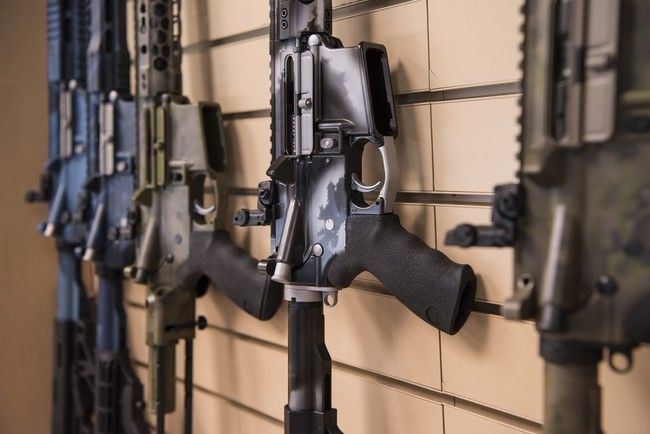
What's Being Challenged: Virginia's assault weapon ban and the state's firearm industry liability statute—two separate laws enacted recently. The NSSF is funding this distinct legal action rather than joining existing litigation, allowing targeted arguments on industry immunity and constitutional grounds. The lawsuit names the assault ban as a categorical prohibition on commonly owned semi-automatic rifles. The liability law exposes manufacturers and dealers to civil suits for crimes and negligent acts committed by third parties using their legally sold products.
Why It Matters for Gun Owners
This fight directly affects you if you own, carry, or plan to buy modern rifles in Virginia or any state watching this case. An industry liability law that survives could set a template: manufacturers sued into bankruptcy over crimes they didn't commit means fewer gun makers, higher prices, and reduced innovation in the civilian market. The NSSF's separate lawsuit strategy is smart—it protects the constitutional argument (Second Amendment) while also attacking the industry liability theory on its own merits. If Virginia's liability law holds, expect New York, California, and other hostile states to copy it. The assault weapon ban faces post-Bruen challenges on historicity grounds, but the liability law is newer legal territory. A win here shields not just Virginia gun owners but manufacturers nationwide from predatory litigation designed to bypass legislative gridlock.
DownRange Analysis
The NSSF's two-track approach is legally sound. The assault ban will likely fail under DC v. Bruen's historical tradition test—no 18th-century precedent exists for banning semi-automatic rifles. But the liability law is the real prize. It strips manufacturers of immunity for third-party criminal acts, a theory that would expose any industry to extinction by litigation. Courts should reject it as a taking of property without due process, but that requires a judge willing to read the Constitution. Virginia's gamble: hope a sympathetic court preserves the liability statute as a regulatory scheme rather than a backdoor ban. Gun owners should monitor this closely—a loss here means the anti-gun playbook shifts from legislative bans to courtroom bankruptcies.