Supreme Court Strikes Hawaii's 'Vampire Rule' Banning Concealed Carry
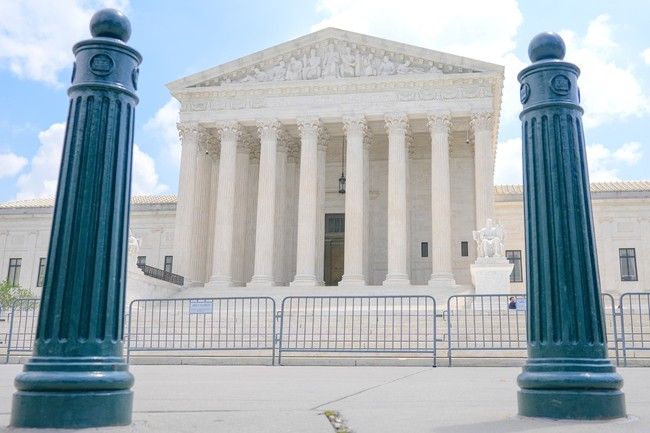
The Supreme Court invalidated Hawaii's "vampire rule" in the Wolford decision, eliminating a blanket prohibition on concealed carry across all private property open to the public. Hawaii stood nearly alone after the 2022 Bruen decision in attempting such a sweeping restriction. The ruling closes a dangerous gap states hoped to exploit by framing carry bans as property-owner prerogatives rather than licensing schemes.
Hawaii's law made it a felony to carry concealed weapons on any privately owned property accessible to customers. This effectively banned legal carry from virtually every business district, restaurant, shopping center, and commercial establishment statewide. Gun owners faced criminal charges simply for protecting themselves while patronizing stores or dining out.
Only a handful of states attempted similar restrictions after Bruen struck down may-issue licensing schemes in 2022. Hawaii's extreme position revealed itself as an outlier even among anti-gun jurisdictions. Most states recognized such blanket bans would face immediate constitutional challenge under Bruen's text-and-history standard.
Why It Matters for Gun Owners
This decision expands carry rights in one of America's most restrictive gun-law states. Hawaii permit holders can now legally carry concealed weapons on private commercial property without facing felony prosecution. For daily carriers nationwide, Wolford confirms a critical principle: states cannot use property rights as a backdoor method to eliminate carry in practice.
The ruling signals the Court will aggressively scrutinize blanket bans achieving the same result as rejected licensing schemes. Whether framed as property-owner rights or commercial restrictions, categorical carry prohibitions face constitutional jeopardy under Bruen. Any state considering similar restrictions faces immediate legal vulnerability.
Hawaii's loss represents the third major setback for anti-gun states attempting to circumvent post-Bruen carry rights through creative regulatory schemes. The Court continues validating that carry rights cannot be stripped away indirectly when direct bans were already ruled unconstitutional. This principle protects carry rights across all fifty states as lower courts wrestle with Bruen's application.
For permit holders planning travel or relocation, Wolford suggests courts will increasingly reject state-level carry restrictions masquerading as property-law questions. The decision strengthens Second Amendment protections by preventing states from outsourcing carry bans to private business owners.
Background on Hawaii's Approach
After Bruen eliminated may-issue licensing in 2022, Hawaii faced a simple choice: allow constitutional carry or find alternative restrictions. State lawmakers chose the vampire rule—a law ostensibly protecting private property owners' rights while effectively annihilating concealed carry statewide.
Legal scholars immediately recognized the strategy. If property owners could ban carry on commercial premises, states could achieve total carry prohibition without licensing schemes. Hawaii implemented this logic with surgical precision, making carry impossible in populated areas where residents actually lived and worked.
The Supreme Court rejected this end-run around Bruen. Justices recognized that a ban eliminating carry in practice violated the Second Amendment regardless of whether states framed it as licensing policy or property-owner authority.
DownRange Bottom Line
Hawaii's vampire rule is dead. Gun owners in Hawaii gained meaningful carry rights overnight. For carriers nationwide, Wolford confirms the Court will not tolerate creative workarounds stripping away Second Amendment protections. States cannot ban carry indirectly after failing to ban it directly. That principle protects your rights everywhere.