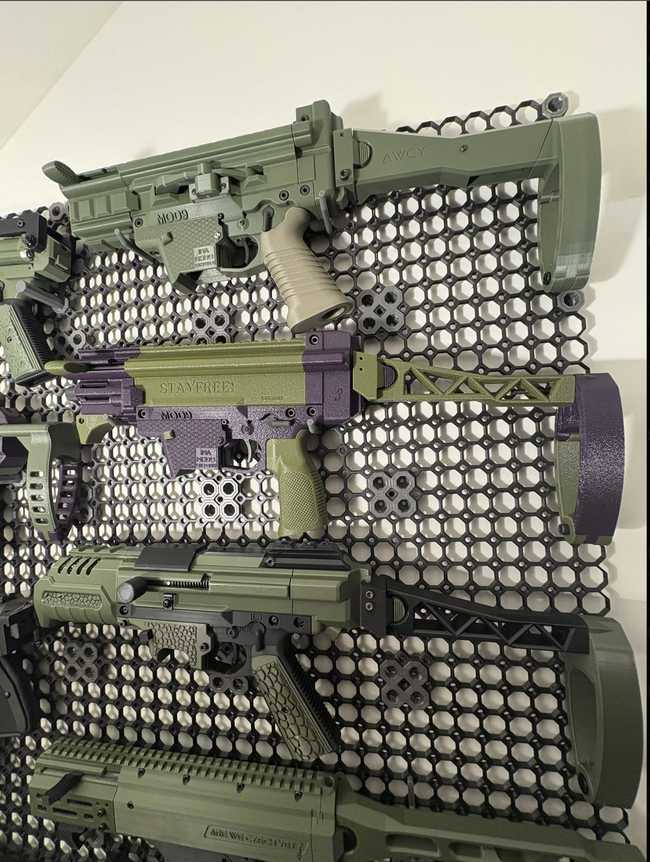
States Push 3D Printer Kill Switches to Block Homemade Firearms
Several states are escalating efforts to prevent 3D-printed firearms by forcing manufacturers to embed software restrictions directly into consumer printers. Rather than simply banning ghost guns outright, lawmakers are now targeting the equipment itself—demanding that printer makers lock their machines from producing firearm-shaped parts in specific jurisdictions. This represents a new legal strategy: controlling the tool rather than prosecuting the builder.
Key Details
The approach varies by state: Some states have implemented total ghost gun bans. Others are taking the manufacturer route, threatening to block printer sales unless the devices ship with pre-loaded software filters that detect and reject firearm component designs.
- Software-based blocking would prevent certain geometries from being printed regardless of user intent
- Manufacturers face market access threats in target states if they don't comply
- This year has seen a notable uptick in these restriction efforts across multiple jurisdictions
Why It Matters for Gun Owners
This strategy bypasses direct Second Amendment litigation by controlling access to the manufacturing tool itself. Gun owners in restricted states face upstream obstacles—printers sold locally would come firmware-locked against firearm production. The issue extends beyond hobbyists; manufacturers of CNC machines and industrial equipment could face similar pressure. For someone considering a legal build in a permissive state, supplier availability becomes complicated if major manufacturers geofence functionality. Worse, software updates could remotely alter printer behavior in jurisdictions where such changes become law. The precedent here matters: if successful with 3D printers, expect the same playbook applied to CNC controllers, router tables, and any equipment capable of cutting metal or polymer.
DownRange Analysis
This strategy likely fails under Bruen. The Supreme Court's decision rejected interest-balancing tests and historical tradition arguments. Hardware restrictions that prevent lawful conduct don't survive text-and-history scrutiny—there's no historical parallel to government-mandated software locks on private property. Manufacturers may also face First Amendment issues if forced to implement content filters on their machines.
Practically speaking, this approach is fragile. Open-source printer firmware exists. Software restrictions can be modified or bypassed. Manufacturers selling nationally won't implement state-by-state firmware variations for long—the liability and logistics are poison. More likely: some states pass the laws, manufacturers ignore them, and legal challenges wind through courts for years.
Gun owners should monitor state legislation in their jurisdiction. If your state passes such a law, document it and support legal challenges immediately. Don't assume a printer purchase today will face software restrictions tomorrow—but assume your state legislature will try.