What You Touch Matters: Grip Material Science for Shooters
A pistol's grip material is not cosmetic—it's foundational to weapon control, accuracy, and recoil management. Yet most gun owners inherit their grip choice rather than actively selecting it. Different materials deliver measurably different performance in wet conditions, high-stress shooting, rapid fire, and competition. The choice between rubber, polymer, wood, and specialized coatings directly impacts how effectively a shooter maintains sight picture and manages follow-up shots.
Key Details
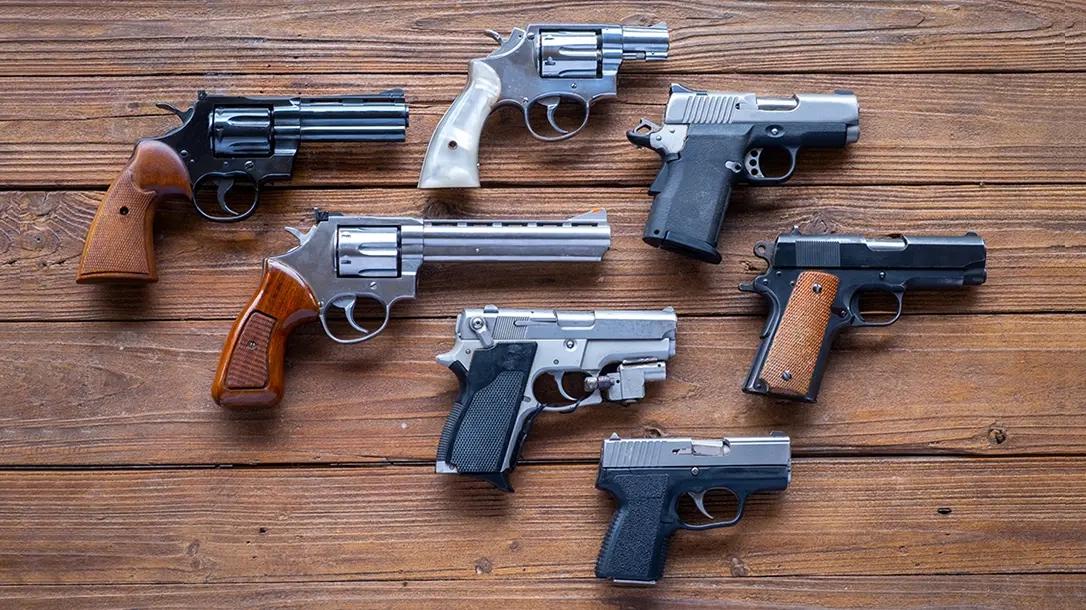
- Rubber grips provide superior texture and recoil absorption but can degrade in extreme heat and UV exposure over years of carry.
- Polymer grips offer durability and consistent performance across temperature ranges, though they may feel slicker in wet conditions without surface treatment.
- Wood grips balance aesthetics with moderate control; they require maintenance and perform poorly in moisture.
- Specialized coatings (stippling, checkering, wrap-around designs) improve purchase during presentation and rapid transitions between targets.
- Grip material directly influences felt recoil perception and the shooter's ability to control muzzle rise during strings of fire.
Why It Matters for Gun Owners
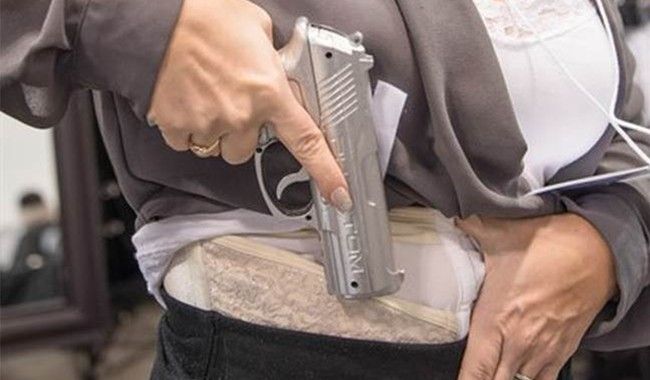
Your grip material affects your ability to shoot straight under stress. A concealed carry pistol with a smooth polymer grip may slip during a draw under pressure; the same gun with rubber or stippled texture holds firm. Competition shooters prioritize maximum grip angle and high-friction surfaces to minimize recoil recovery time. Hunters in wet climates need materials that don't absorb moisture or become slippery. Aftermarket grip panels cost $30–$100 and can be swapped without gunsmithing. If your current carry gun feels uncomfortable or you lose control during rapid fire, changing the grip material is often the fastest, cheapest fix—before buying a new pistol.
DownRange Analysis
Grip material selection is individual, not universal. A carry gun that performs flawlessly for a competition shooter may fail in the hands of someone with arthritis or small hands. The rising market for modular grip systems—where shooters swap panels to fit hand size and shooting style—reflects reality: one grip doesn't suit all operators. Modern firearms (especially striker-fired designs) already excel at reliability; performance gaps now live in ergonomics and shooter-weapon interface. If your accuracy or control has plateaued, test different grip materials before investing in training or a new gun. The material between your hand and the trigger is often the limiting factor.