Trump Pardons Man Convicted Under Biden's Toy Gun Ban
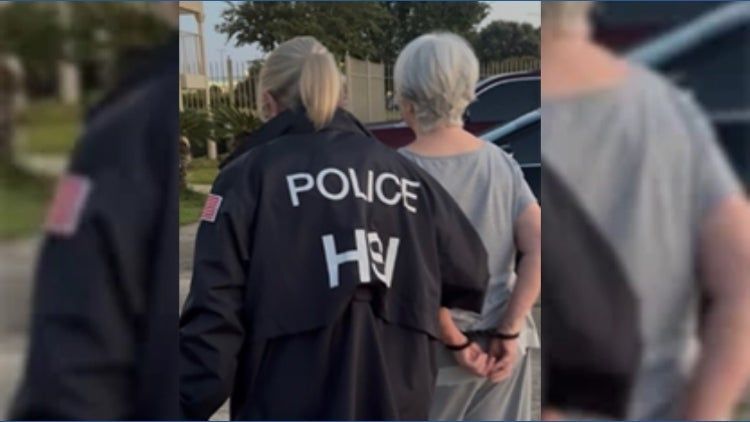
President Donald Trump pardoned Patrick "Tate" Adamiak on September 4, 2026, after Adamiak's wrongful conviction for possessing a toy machinegun under Biden administration enforcement. The Second Amendment Foundation's investigative journalism project, headed by editor Lee Williams, documented the case as it progressed through the federal system. Adamiak had been arrested and charged under federal law prohibiting unregistered machineguns—a statute the Biden-era Bureau of Alcohol, Tobacco, Firearms and Explosives aggressively applied to non-functional replicas and toys.
Key Details
- Pardon issued: September 4, 2026
- Conviction basis: Possession of a toy machinegun classified as an illegal unregistered firearm under federal statute
- Case documentation: Tracked and reported by SAF Investigative Journalism Project editor Lee Williams
- ATF enforcement: Biden administration prosecuted the case as part of broader machinegun enforcement initiatives
Why It Matters for Gun Owners
This pardon exposes how federal law enforcement weaponized the National Firearms Act's machinegun prohibition against objects that pose zero functional threat. A toy—incapable of firing any projectile—landed someone in federal court under the same statute designed to regulate Class 3 weapons. Gun owners face real risk that replica firearms, display pieces, or even airsoft equipment could trigger federal prosecution if agents decide to classify them as "constructive possession" of unregistered machineguns. The conviction and pardon demonstrate that even executive-branch discretion offers no reliable protection; owners depend entirely on which administration holds power. Anyone storing replicas, props, or non-functional display pieces should understand the technical definitions of "firearm" and "machinegun" under 26 U.S.C. § 4801 and 18 U.S.C. § 922(o).
DownRange Analysis
Trump's pardon confirms what his administration views as prosecutorial overreach—using machinegun statutes against inert objects. However, the underlying statute remains unchanged. When Trump leaves office, the same law sits waiting for aggressive reinterpretation by the next administration. Adamiak's case illustrates that Bruen hasn't constrained ATF's creative interpretation of existing federal law; it's only constrained new restrictions. Gun owners cannot rely on pardon lottery politics. The real fix requires either Congress narrowing the machinegun definition or courts limiting constructive possession doctrine—neither likely soon. For now, assume any replica or non-firing display piece could trigger investigation if seized and sent to an unfriendly analyst.