Supreme Court Blocks Hawaii's Blanket Private Property Carry Restrictions
On June 25, the U.S. Supreme Court decided Wolford v. Lopez, striking down a Hawaii statute that effectively prohibited lawful permit holders from carrying firearms on privately owned but publicly accessible property without explicit owner consent. The ruling rejects Hawaii's presumptive ban on such carry, marking another post-Bruen enforcement of Second Amendment protections beyond government-controlled spaces. The decision forces a hard look at how states can regulate carry on private land.
Key Details
- Hawaii law presumptively banned carry permit holders from bringing firearms onto publicly accessible private property
- Carriers needed affirmative permission from property owners to legally carry in these spaces
- The Supreme Court found this restriction incompatible with Second Amendment rights
- Decision applies to private property open to public access—not isolated private land
Why It Matters for Gun Owners
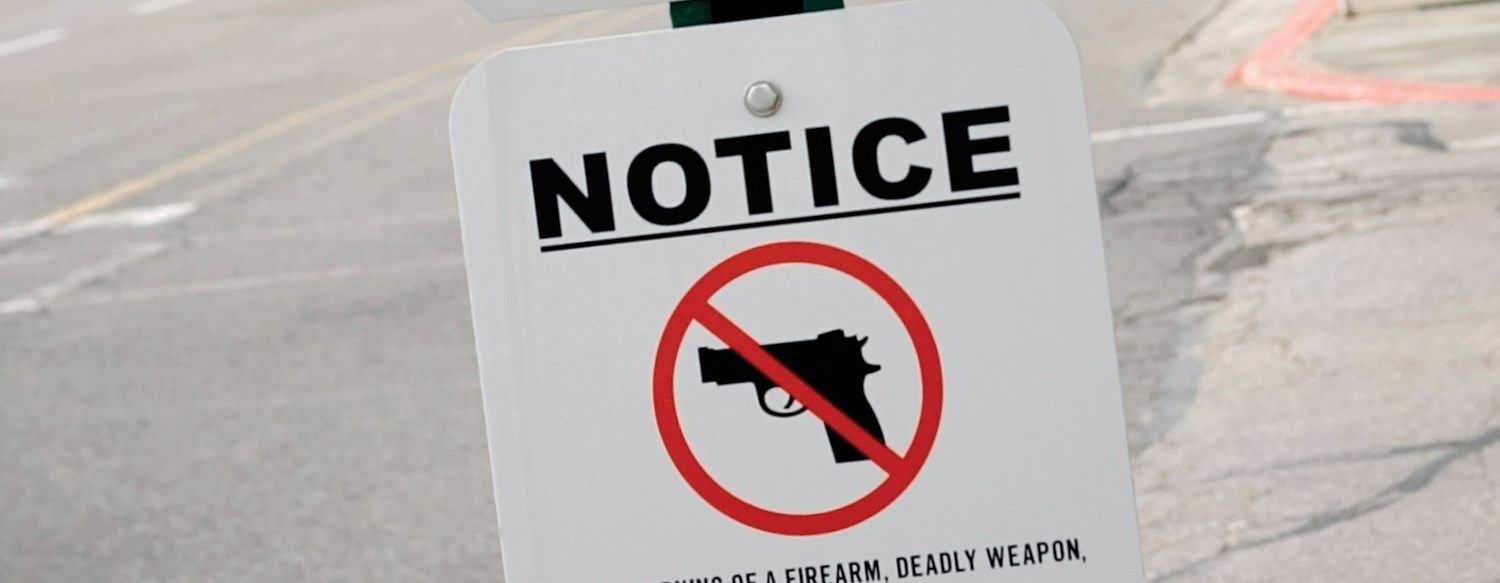
This ruling expands carry protections beyond courthouses, government buildings, and public streets. Gun owners with valid permits now have constitutional backing to carry in stores, restaurants, and other privately owned public spaces—assuming individual property owners don't post prohibitions or ban carry outright. However, the decision doesn't force private owners to allow carry on their land; owners retain the right to exclude armed individuals from their property. Carriers still need to respect posted signs and business policies. States cannot use blanket presumptions against carry to circumvent this balance.
DownRange Analysis
Wolford reinforces Bruen's core principle: the Second Amendment protects carry outside the home, period. Hawaii's scheme was aggressive—it flipped the presumption against carriers and required begging permission property owner by property owner. That's not regulation; that's nullification. The ruling clarifies that states can't use private property as a backdoor ban on public carry. Smart gun owners should know local business policies and respect posted restrictions, but no longer assume their permits are worthless once they step off public pavement.