Benton County Frees Prosser Shooter Over Likely Self-Defense
Benton County prosecutors released Jose Cruz Escobar on October 15 after a fresh review pointed toward self-defense in the October 12 death of his half-brother, Alejandro Salazar, near Prosser, Washington. Escobar had been held on suspicion of second-degree murder. Prosecutors said the evidence no longer justified keeping him in custody. They have not filed a final charging decision. The office is waiting on outstanding records before it decides whether to charge him. That gap matters. A jail release is not an acquittal, and it does not close the case.
Key Details
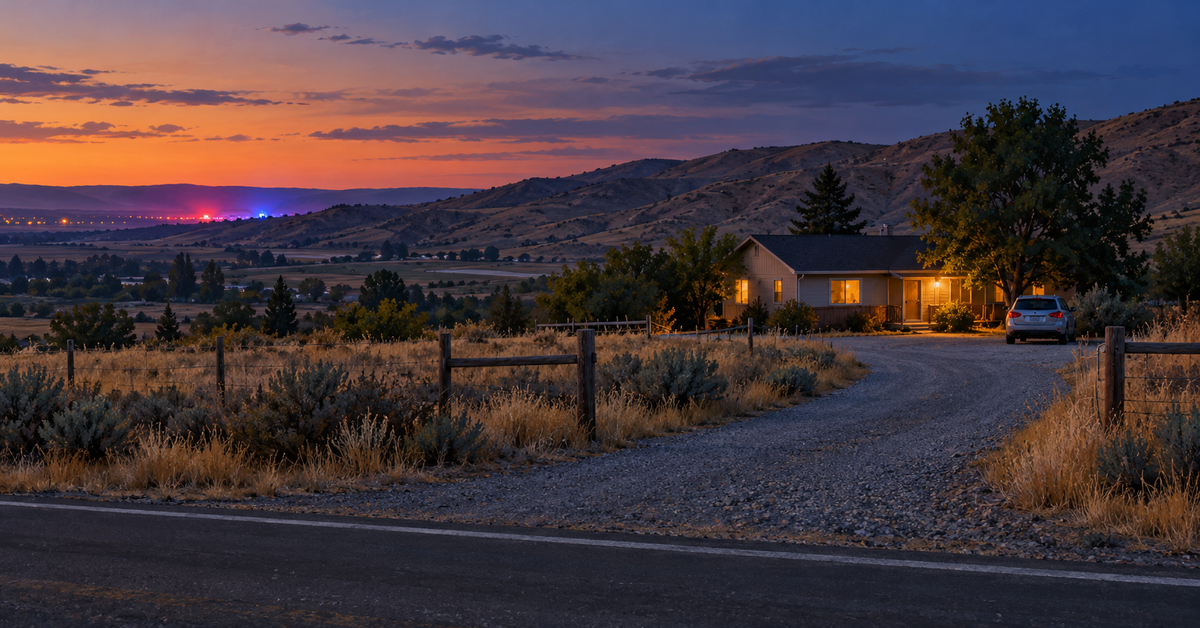
The shooting happened in the 24000 block of North Rothrock Road. The first call to investigators described a drive-by shooting. Detectives later determined the gunfire followed a face-to-face confrontation between the two brothers. Local reporting from NonStop Local and the Tri-City Herald laid out the prosecutor's account, which runs as follows:
- October 12: Salazar allegedly threatened a vehicle carrying family members with a rock.
- Salazar then went inside the home and punched Cruz Escobar.
- Cruz Escobar retrieved a firearm. Salazar allegedly threw the rock, damaging the firearm's sight.
- The confrontation moved into the driveway. Cruz Escobar said he fired warning shots into the ground as Salazar advanced.
- He then fired one shot that struck Salazar in the abdomen. Salazar died at the scene.
Prosecutors said Cruz Escobar first gave investigators a false account, and that statement contributed to his arrest. Further review changed the office's view of the shooting. The release ended his immediate detention, but it did not produce a final decision. The case remains open until the outstanding records arrive.
Background
Washington's justifiable homicide statute, RCW 9A.16.050, allows a killing in specific circumstances. The most relevant provisions cover lawful defense of oneself or another person when the shooter has reasonable grounds to fear a felony or great personal injury, and when the danger appears imminent. The statute also covers resisting certain felonies. Washington courts look at the situation at the moment the shooter fired, not just at the argument or assault that came before. An earlier fight does not automatically make the later shooting unlawful, and it does not automatically make it lawful.
That distinction drives this case. The rock throw and the punch happened before any gunfire. Prosecutors have to decide whether Cruz Escobar reasonably perceived an imminent threat when Salazar advanced in the driveway. Under Washington case law, once a defendant raises self-defense with some evidence behind it, the State must disprove the claim beyond a reasonable doubt. That burden is heavy, and it explains why prosecutors often weigh self-defense claims carefully before filing charges.
Why It Matters for Gun Owners
Any Washington gun owner who carries or keeps a firearm at home should read this case closely. The legal exposure did not come from the shot alone. It came from the initial false statement and the question of what the shooter perceived in the moments before he fired. Police and prosecutors judge both. A defender who gives a shaky or inaccurate account can end up in a worse position than the facts warrant.
The warning-shot detail deserves attention too. Firing into the ground sounds like a measured response, but rounds can ricochet and strike bystanders, neighbors, or family members. Prosecutors and juries will ask why a shooter fired at all, and whether a safer option existed. Gun owners should treat warning shots as a legal and physical liability, not a tactic. If the threat is real enough to justify deadly force, the decision needs to hold up on its own. If it is not, the firearm should stay holstered.
Practically, you should disengage from escalating confrontations when you can. Move away, get inside, and call 911 as soon as it is safe. After any shooting, request medical aid, preserve evidence, and say as little as possible until you have a lawyer. Do not improvise a story for police. The truth, delivered calmly, protects you far better than a version that later falls apart.
DownRange Analysis
Bruen confirmed that the Second Amendment protects an individual right to carry for self-defense. It did not rewrite state homicide law. This case does not turn on Bruen at all. It turns on whether Washington prosecutors can disprove a reasonable self-defense claim after the facts come out. The statute itself is not the problem here. The problem is the gap between a rock, a punch, a gun, and a driveway shooting, and how a prosecutor reads that sequence.
Market impact will be minimal. Nobody will buy a different holster because of this release. The lesson is behavioral. Carry the firearm you can run well, train with it, and know your state's use-of-force rules cold. Learn the difference between a justified threat response and a shot taken because you wanted the argument to end. Watch the Benton County decision when it arrives, because a final charging call will show how that office weighs a preliminary self-defense finding against a later false statement.