Russian Machine Gun Belt Design Diverges From Western Standard
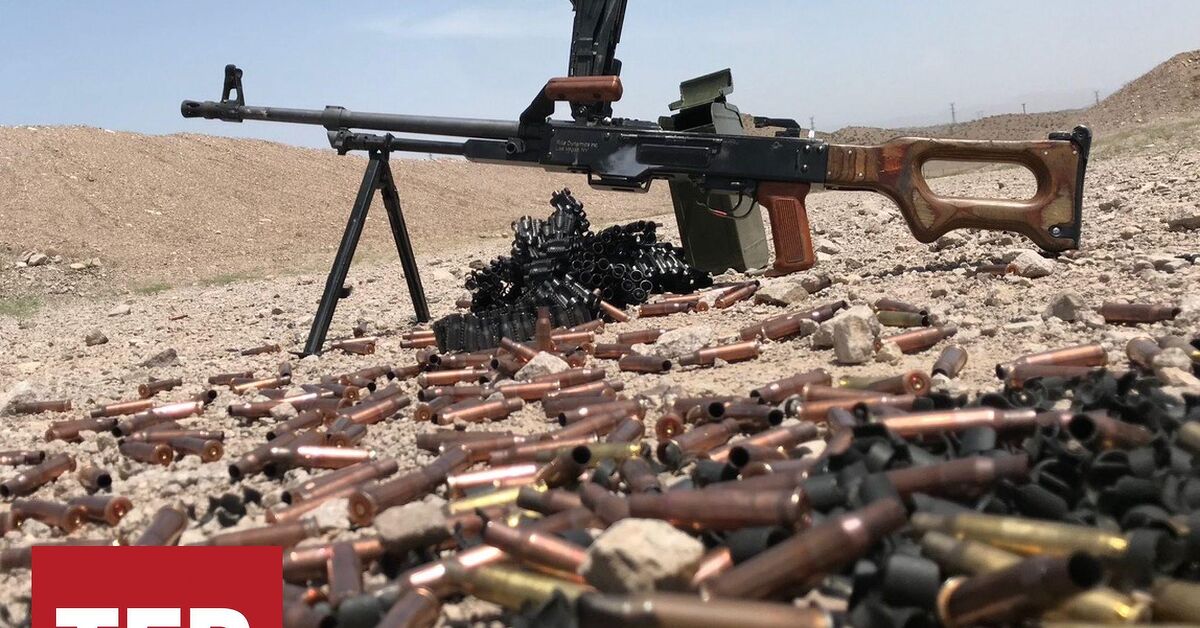
Russia's approach to machine gun belt design charts its own course—one traceable directly to World War II Soviet engineering and fundamentally different from Western ammunition handling systems. The PK and PKM machine guns, workhorses of Russian and allied forces, employ belt mechanisms that confound many shooters trained on NATO-standard weapons. This design choice reflects deeper operational philosophies that persist across decades of Cold War and post-Cold War military doctrine.
Key Details
The PK and PKM belt systems carry design DNA from Second World War Soviet machine guns, making them fundamentally incompatible with how Western operators expect ammunition to feed. Russian belt construction and feed mechanics operate on different principles than the systems found in M240, M249, and other NATO-standard weapons. This divergence isn't accidental—it reflects intentional Soviet design philosophy that prioritized reliability under specific combat conditions rather than interoperability with allied systems.
Why It Matters for Gun Owners
American shooters who train on or maintain Russian-pattern machine guns face a steep learning curve with belt handling. Anyone transitioning between NATO and Russian systems must relearn feeding procedures, troubleshoot jams differently, and source ammunition in formats designed for Soviet logistics chains. For military contractors, private security, or international operators working in regions where Russian weapons dominate, this incompatibility creates real operational friction. Competitors running military-style matches may encounter Russian-supplied weapons at training events or international competitions, where belt compatibility issues can derail performance. Understanding these differences prevents costly mistakes when transitioning personnel or equipment between systems.
DownRange Analysis
The persistence of Soviet-era design in modern Russian weapons reflects a military culture that values proven, battlefield-tested systems over forced standardization. Where NATO chases commonality across allied forces, Russia maintains distinctly Russian solutions—even when those solutions create friction for Western operators. This design conservatism has strategic value: Russian forces know their weapons intimately, spare parts follow predictable supply chains, and training doesn't require NATO interoperability. For American gun owners and professionals, recognizing this philosophical divide matters more than memorizing belt specifications. Russian military doctrine assumes self-sufficiency, not alliance warfare. That mindset shapes every design choice, from ammunition handling to maintenance procedures. Expect Russian weapons to remain deliberately divergent from Western standards, regardless of operational efficiency arguments.