SAF Seeks Injunction to Block Maryland's Glock Ban
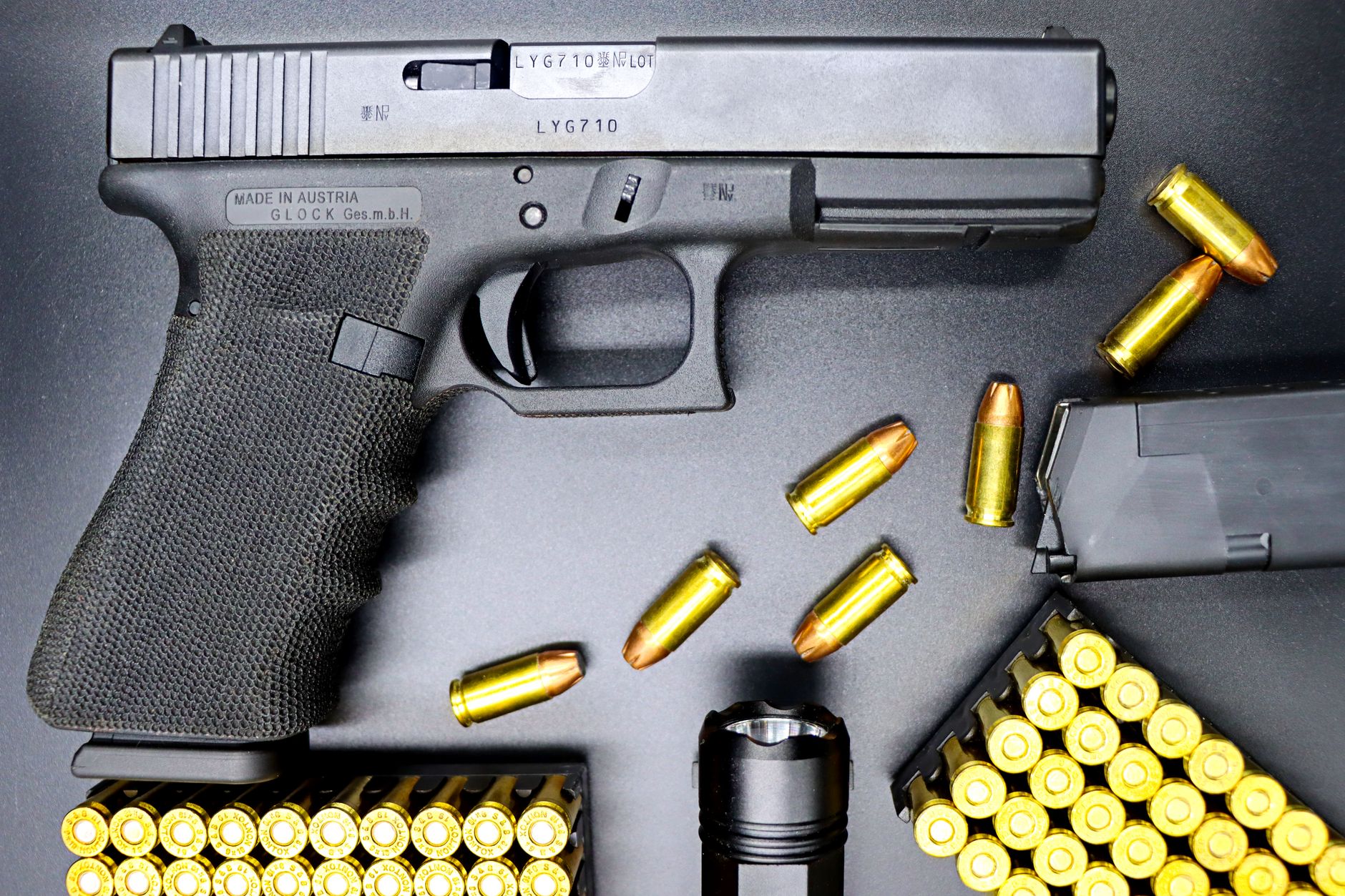
The Second Amendment Foundation filed a motion for preliminary injunction in federal court on July 21, 2026, challenging Maryland's Glock ban. Senate Bill 334, signed by Gov. Wes Moore in May, prohibits the sale, transfer, and possession of Glock pistols in the state. SAF filed the lawsuit Bathras v. Moore immediately after the law took effect, arguing it violates Second Amendment rights. The foundation now seeks court intervention to halt enforcement while litigation proceeds.
Key Details
- SB 334 became law in May 2026 under Gov. Moore's signature.
- SAF filed the lawsuit the same month the ban took effect.
- The preliminary injunction motion aims to stop the state from enforcing the ban during the case.
- The case is styled Bathras v. Moore in federal court.
Why It Matters for Gun Owners
This is the first major test of a state-level handgun model ban post-Bruen. Maryland's SB 334 doesn't target an entire category—it singles out one manufacturer's platform, creating a novel legal question: can a state ban a specific firearm model without banning the entire class? Gun owners in Maryland face potential confiscation or surrender requirements if the ban survives. The outcome affects not just Glock carriers but owners nationwide watching whether courts will allow states to cherry-pick specific firearms. SAF's preliminary injunction motion targets the most critical phase—blocking enforcement while the constitutional case develops.
DownRange Analysis
SAF's strategy here is sound. A preliminary injunction requires showing likelihood of success on the merits, irreparable harm, and that the balance of equities favors the applicant. Post-Bruen, SAF has a strong argument: District of Columbia v. Heller (2008) and New York State Rifle & Pistol Association v. Bruen (2022) both protect commonly possessed firearms. Glocks are among the most widely owned handguns in America—roughly 65 million in circulation. Maryland cannot credibly argue they're unusual or dangerous compared to other semi-automatic pistols. The state will likely claim a compelling interest in public safety, but Bruen explicitly rejected interest-balancing tests. A federal judge should grant this preliminary injunction. If SB 334 survives on the merits, expect a circuit split and possible Supreme Court review.