SAF Files Emergency Block Against Maryland's Glock Ban
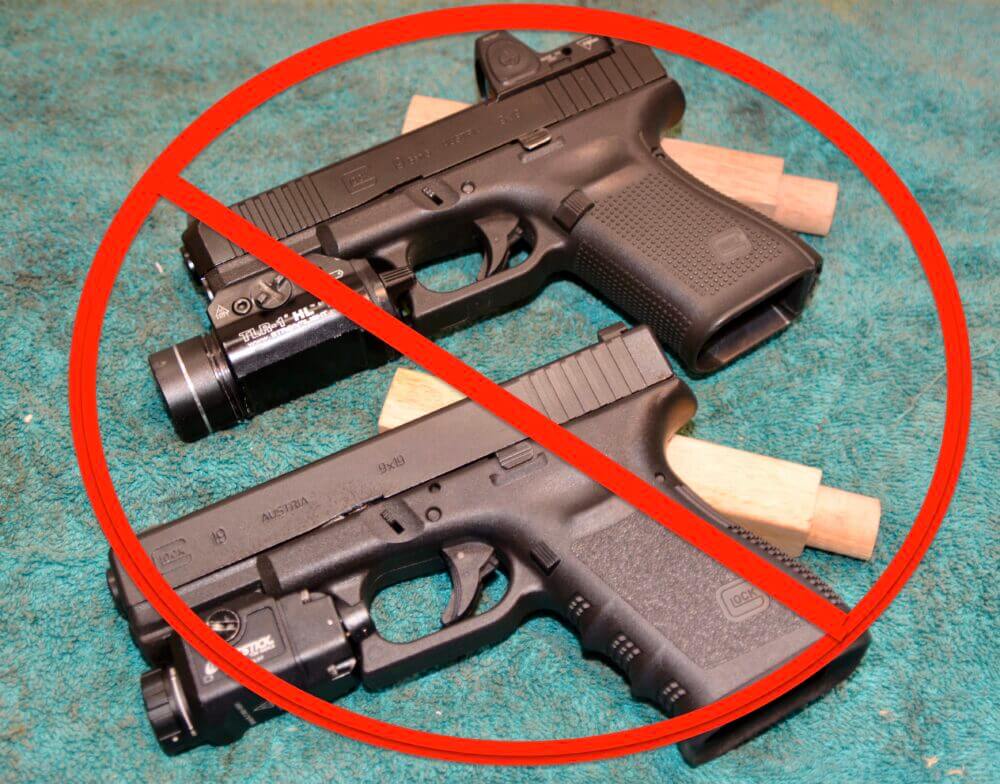
The Second Amendment Foundation (SAF) moved into federal court seeking an injunction to prevent Maryland from enforcing a statewide ban on Glock handguns. The legal action targets the prohibition before the policy takes effect, arguing the restriction violates constitutional protections and conflicts with recent Supreme Court precedent. SAF's filing represents a direct challenge to Maryland's authority to ban specific firearm models by manufacturer or design.
Key Details
- SAF requested emergency injunctive relief in federal court to block the Glock ban's implementation
- The challenge targets Maryland's statutory prohibition on Glock handguns specifically
- The filing comes after Maryland enacted the restriction into law
- SAF's legal strategy relies on post-Bruen Second Amendment framework established by the Supreme Court
Why It Matters for Gun Owners
Maryland gun owners face a direct threat to their right to own Glock pistols—among the most common defensive handguns in civilian circulation. The ban impacts lawful owners already possessing these firearms and prevents future purchases. If successful, Maryland's model could encourage copycat bans in other anti-gun states targeting popular manufacturers or specific models. This litigation determines whether states can cherry-pick which firearms citizens may own based on brand name rather than functional characteristics. Gun owners in neighboring states should monitor the outcome; Maryland's precedent will influence policy decisions elsewhere. The case tests whether the post-Bruen standard actually protects common arms or permits selective confiscation by state definition.
DownRange Analysis
SAF's injunction request faces a procedural uphill climb—federal courts typically apply high standards before blocking laws pre-enforcement. However, the legal merits favor SAF under current Supreme Court doctrine. New York State Rifle & Pistol Association v. Bruen rejected historical analogues as the sole test for Second Amendment restrictions, requiring governments to demonstrate specific constitutional justification. Maryland cannot point to founding-era precedent for banning pistols by manufacturer. The real question: will the district judge apply Bruen rigorously, or will Maryland's progressive stance influence judicial deference? If SAF clears the injunction stage, the underlying case becomes a straight constitutional fight—and Maryland's law looks indefensible. Gun owners should expect this case to reach appellate court regardless of the initial ruling.