Supreme Court Docket: What's Next for Second Amendment Rights
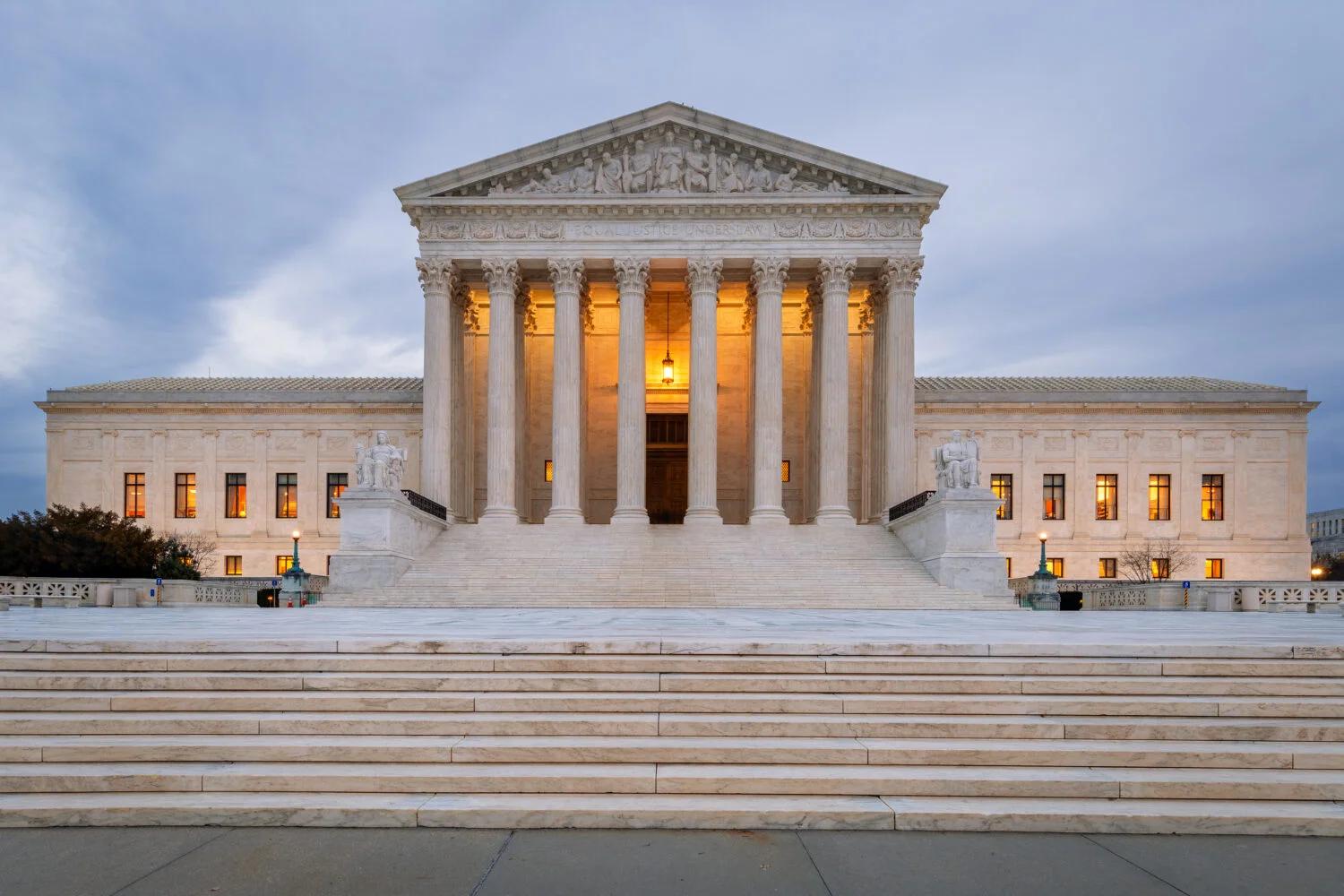
The Supreme Court's 2026 docket includes multiple Second Amendment cases that will determine whether states can continue enforcing permitting systems, magazine limits, and carry restrictions. Following the 2022 Bruen decision, which established that gun regulations must have historical precedent, lower courts have split on how strictly to apply that standard. These cases will clarify what "historical tradition" actually means in practice—and whether it kills or saves state-level gun control schemes.
Key Details
- Several cases challenge state concealed carry licensing requirements under Bruen's text-and-history test
- Magazine capacity restrictions face renewed scrutiny in at least one pending petition
- Lower court rulings on assault weapon bans remain split, creating circuit conflict
- Cases involve multiple jurisdictions: California, New York, Illinois, and others with strict permitting regimes
- Timeline unclear—SCOTUS may hold cases pending outcome of earlier decisions
Why It Matters for Gun Owners
Carry permit systems in 42 states depend on whether SCOTUS rules that "shall-issue" permitting has historical roots. New York's Sullivan Law and similar regimes could fall if the Court finds no precedent for discretionary licensing. Magazine restrictions in California, New York, and Illinois hang on whether Bruen requires historical evidence of 10-round or 15-round limits. Practical impact: if SCOTUS sides with challengers, permitless carry spreads faster. If it upholds state discretion, carry remains state-by-state fragmented. Gun owners in restrictive states should track oral arguments—these decisions will land by June 2027.
DownRange Analysis
Bruen already broke the old rational-basis test, but the Court hasn't closed loopholes states exploit. Lower courts split on whether pre-1900 English law counts as "history," or whether only America's traditions matter. That gap matters: if broad historical sources count, magazine caps and licensing schemes lose. If SCOTUS narrows "history" to American precedent only, states retain room to regulate. The real question isn't whether the Court protects carry rights—it's how hard it makes states defend restrictions. Gun owners shouldn't assume these cases auto-win. Watch oral arguments when scheduled. Donate to litigating organizations. The next eighteen months determine whether carry actually becomes free or stays a privilege.