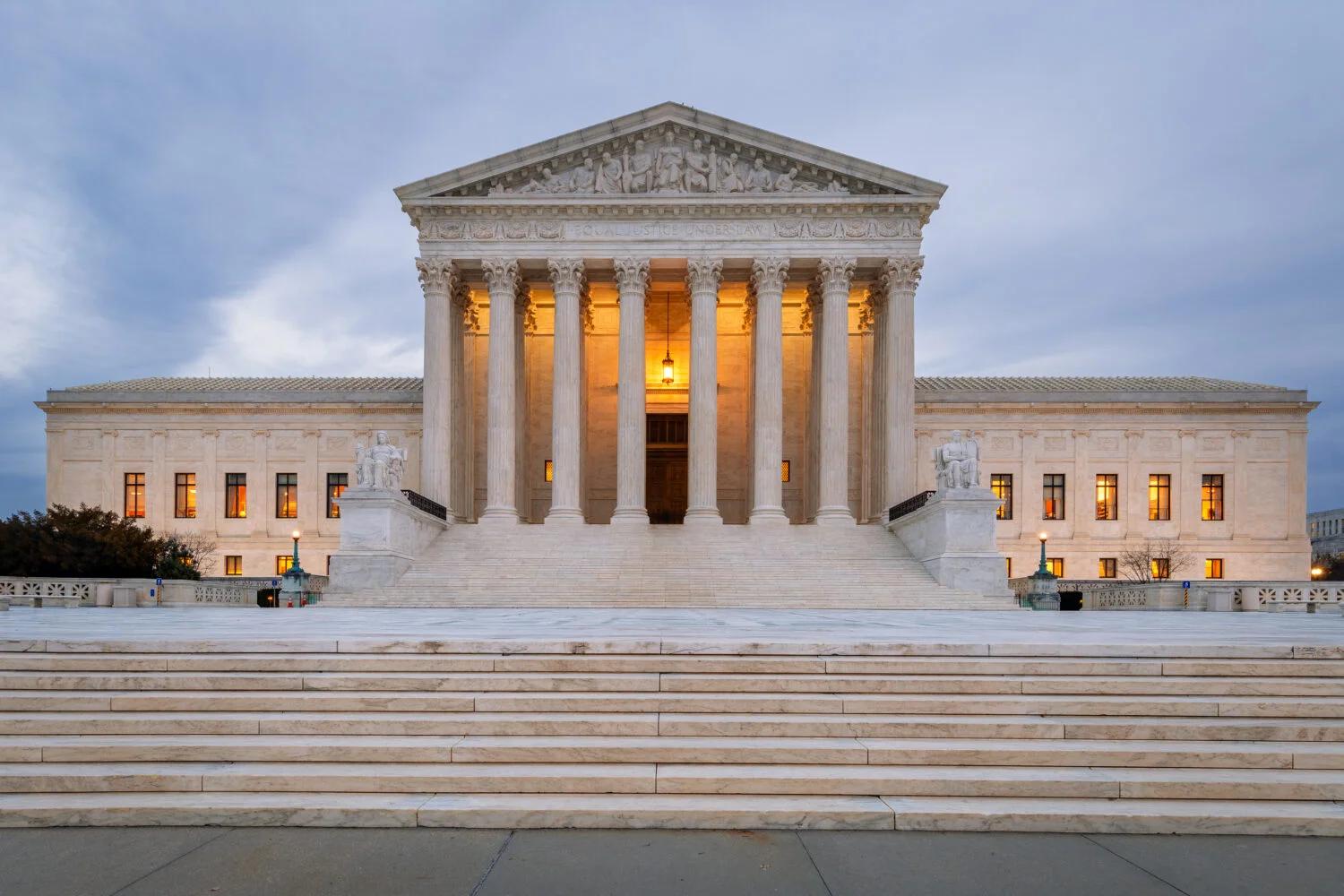
SCOTUS Issues Major Second Amendment Decision
The Supreme Court released a significant Second Amendment ruling on July 27, 2026, that expands constitutional protections for gun owners. The decision strikes down a federal regulation that restricted certain firearm modifications. This ruling directly impacts millions of active carriers and hunters across the country.
The Court's majority opinion rejected the government's broad interpretation of existing statutes. Justices held that citizens retain the right to modify firearms for lawful purposes. The decision reinforces that Second Amendment protections extend beyond bare ownership of unmodified weapons.
Why It Matters for Gun Owners
This ruling fundamentally changes what you can legally do with your firearms. You're no longer confined to factory configurations if you want to maintain compliance with federal law. Aftermarket parts, upgrades, and modifications now receive stronger constitutional protection.
For daily carriers, this means you can customize your defensive firearm without fear of federal prosecution. The decision covers trigger modifications, ergonomic grips, sighting systems, and magazine-fed accessories. Hunters can upgrade their rifles and shotguns without navigating conflicting federal restrictions.
State-level impacts will vary significantly. Several states maintain stricter modification rules than federal law. Gun owners in California, New York, and Massachusetts should verify local compliance before purchasing aftermarket parts. The ruling doesn't override state restrictions—it only prevents federal overreach.
Ammunition capacity regulations also face renewed scrutiny. The Court suggested magazine restrictions conflict with individual rights protected by the Second Amendment. This opens the door for future challenges to magazine limits in restrictive states.
Background
The case originated from a federal prosecution involving an AR-15 owner who installed a legal trigger modification. The defendant argued his customized rifle remained within constitutional protection. Federal prosecutors claimed the modification violated statutes regulating machine gun conversion devices.
Lower courts split on the issue. The Fourth Circuit Court of Appeals sided with prosecutors, citing the statute's broad language. The defendant appealed to SCOTUS, arguing the government exceeded constitutional limits.
Justice Thomas authored the majority opinion, joined by Justices Alito, Gorsuch, Kavanaugh, and Barrett. He emphasized that the Second Amendment protects an individual's right to maintain firearm functionality and performance. The opinion rejected the government's theory that any modification triggering federal suspicion could face prosecution.
Chief Justice Roberts issued a concurring opinion emphasizing judicial restraint. Justices Sotomayor, Kagan, and Jackson dissented, warning the ruling creates dangerous loopholes. They argued the decision undermines the government's ability to prevent machine gun conversion.
Gun rights organizations immediately hailed the decision. The Second Amendment Foundation called it a victory for constitutional carry principles. Advocacy groups filed amicus briefs in parallel cases challenging state-level modification bans.
DownRange Bottom Line
This SCOTUS ruling expands your constitutional protection to customize firearms. You can legally upgrade your daily carry, hunting rifle, or range gun without facing federal charges for lawful modifications. However, state laws still matter—check local restrictions before buying aftermarket parts.
The decision signals SCOTUS remains committed to protecting individual Second Amendment rights beyond 2022's New York Rifle Association v. Bruen ruling. Future cases will likely challenge state magazine limits and may address suppressors and short-barrel rifles.
If you've wanted to upgrade your firearm's trigger, ergonomics, or optics mount, this ruling provides stronger legal cover. The Constitution now explicitly protects your right to do so at the federal level. Stay informed about state-specific laws in your jurisdiction, and consult local legal experts before major modifications.