Supreme Court Denies Cert on Three Major Second Amendment Cases
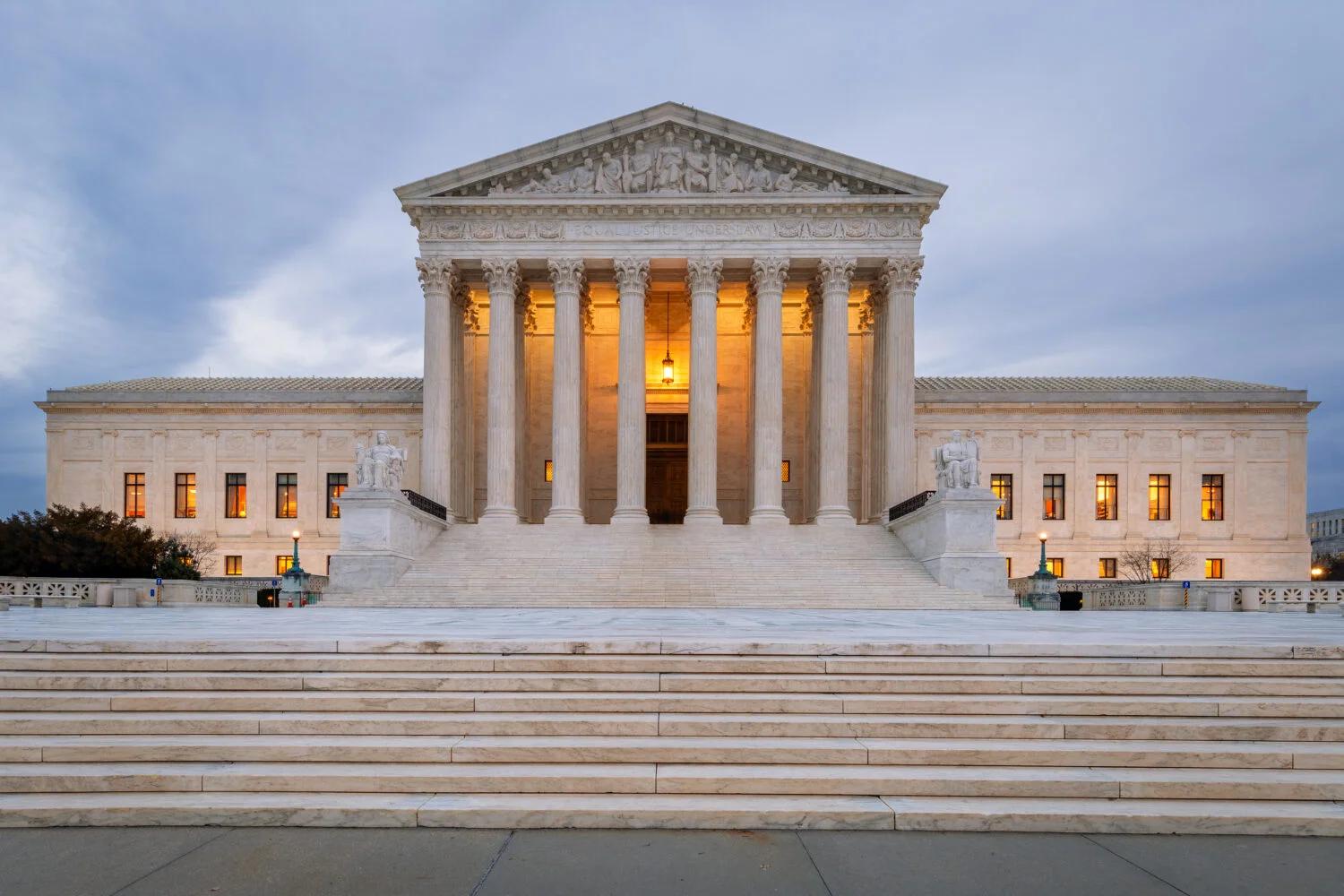
The U.S. Supreme Court declined to hear three separate Second Amendment cases on September 15, 2026, rejecting petitions without issuing written opinions. The denials leave lower court rulings intact across different jurisdictions and signal the Court's reluctance to expand gun rights beyond its 2022 Bruen decision.
Gun owners watching SCOTUS faced disappointment as justices passed on cases addressing magazine restrictions, licensing frameworks, and storage mandates. Each petition had support from major Second Amendment organizations, yet the Court's silence speaks volumes about the current judicial climate.
Why It Matters for Gun Owners
These denials mean restrictive state laws stay in place. Lower court decisions favoring anti-gun regulations now stand unopposed at the highest level. For daily carriers and gun owners across blue states, this signals that federal courts won't overturn aggressive restrictions anytime soon.
Without Supreme Court intervention, individual states can maintain conflicting gun laws. California keeps its ten-round magazine limit. New York enforces its licensing discretion. Massachusetts holds its storage requirements. Gun owners face a patchwork of regulations with no constitutional guardrails.
The Court's refusal to hear these cases also emboldens lower courts to narrow Bruen's scope. Judges in anti-gun circuits will cite the Supreme Court's silence as permission to reject creative Second Amendment arguments. Future cases face uphill battles when SCOTUS won't even grant review.
For manufacturers, these denials freeze innovation and market access. Companies can't reliably sell across state lines. Distributors stock different products for different regions. Consumers pay more due to fragmented market conditions.
Background on the Rejected Cases
The three petitions involved distinct issues within Second Amendment jurisprudence. The first challenged a state's magazine capacity restrictions under Bruen's historical test. The second questioned licensing schemes requiring subjective "good cause" determinations. The third targeted mandatory storage laws affecting home defense capability.
All three petitions had amicus support from the Second Amendment Foundation, Firearms Policy Coalition, and state attorneys general from constitutional carry jurisdictions. Legal briefs argued each law violated precedent established in New York State Rifle & Pistol Association v. Bruen (2022).
Lower courts had split on applying Bruen consistently. Some circuits narrowly interpreted the decision. Others gave states broad deference under "longstanding" regulations that predate the Second Amendment's incorporation to the states. This inconsistency created the circuit splits that typically prompt Supreme Court review.
Observers expected at least one case to survive SCOTUS's cert pool. The magazine restriction case had the strongest historical arguments. The licensing case involved clear conflicts with Bruen's text-and-history test. Yet the Court's docket shows no appetite for expansion.
DownRange Bottom Line
SCOTUS just told gun owners: Bruen was the peak. Don't expect more victories from D.C. Lower courts will keep upholding state restrictions. Gun owners must fight battles in state legislatures and ballot boxes, not federal courts.
For daily carriers in restricted states, invest in legal defense funds. Know your local laws. Document compliance. The Supreme Court won't save you from aggressive prosecutions.
For manufacturers and retailers, accept fragmented markets as the new normal. Compliance costs rise. Margins compress. Innovation slows to match the most restrictive state requirements.
These denials confirm what Bruen skeptics predicted: the decision's impact has limits. Constitutional carry states can celebrate their recent wins, but further expansion through federal courts looks unlikely. Gun rights now depend on state-level action and political change, not judicial decisions from Washington.